Japanese composer Masayoshi Fujita has had his album Forest of Tranquility out on Erased Tapes since Friday, 13 November 2026, and he plays Wonderfruit Festival in Thailand on 3 December 2026, the first time he brings the album outside Japan. If your brain treats every evening like an open notification tray, this seven-track album deserves a slot in your queue. It started life as the soundtrack to a forest that was built for people trying to escape the noise.
A Forest Built for Tuning Out
The story goes back to Expo 2025 in Osaka, a six-month event that Erased Tapes says drew millions of visitors. Its central living nature installation held 1,500 trees rescued and repurposed from the Expo’s former 1970s site and from parks around Osaka, laid out around a central pond. The label describes it as an open-air sanctuary designed so visitors could tune out noise and restore their energy, which is a pretty generous thing to build in the middle of a world fair.
Fujita was one of seven musicians commissioned for the Expo site, and he was asked to make the soundscape for the forest. The twist is that it moved with the weather. He wrote seven pieces that shift with the time of day, each with extra layers for sunny, cloudy and rainy weather, and sensors on site brought those layers in and out in real time, so the forest sounded different depending on the sky. We covered that rain-reactive setup when the album was first announced in September. According to the label, the album carries that same living, responsive quality into the home, so you get the forest without the flight to Osaka!
Seven Tracks, One Day
Forest of Tranquility is built around what Erased Tapes calls a biorhythm concept: the record follows the shifting light and activity of a single day in the forest. The seven tracks run in this order: “Portal to the Universe”, “Departure”, “Forest of Tranquility”, “Light, Wind and Water”, “Komorebi Dance”, “All Creatures Bow to Evening” and “Time to Go”. That’s a full day in one sitting, from first light to the moment you put things down.
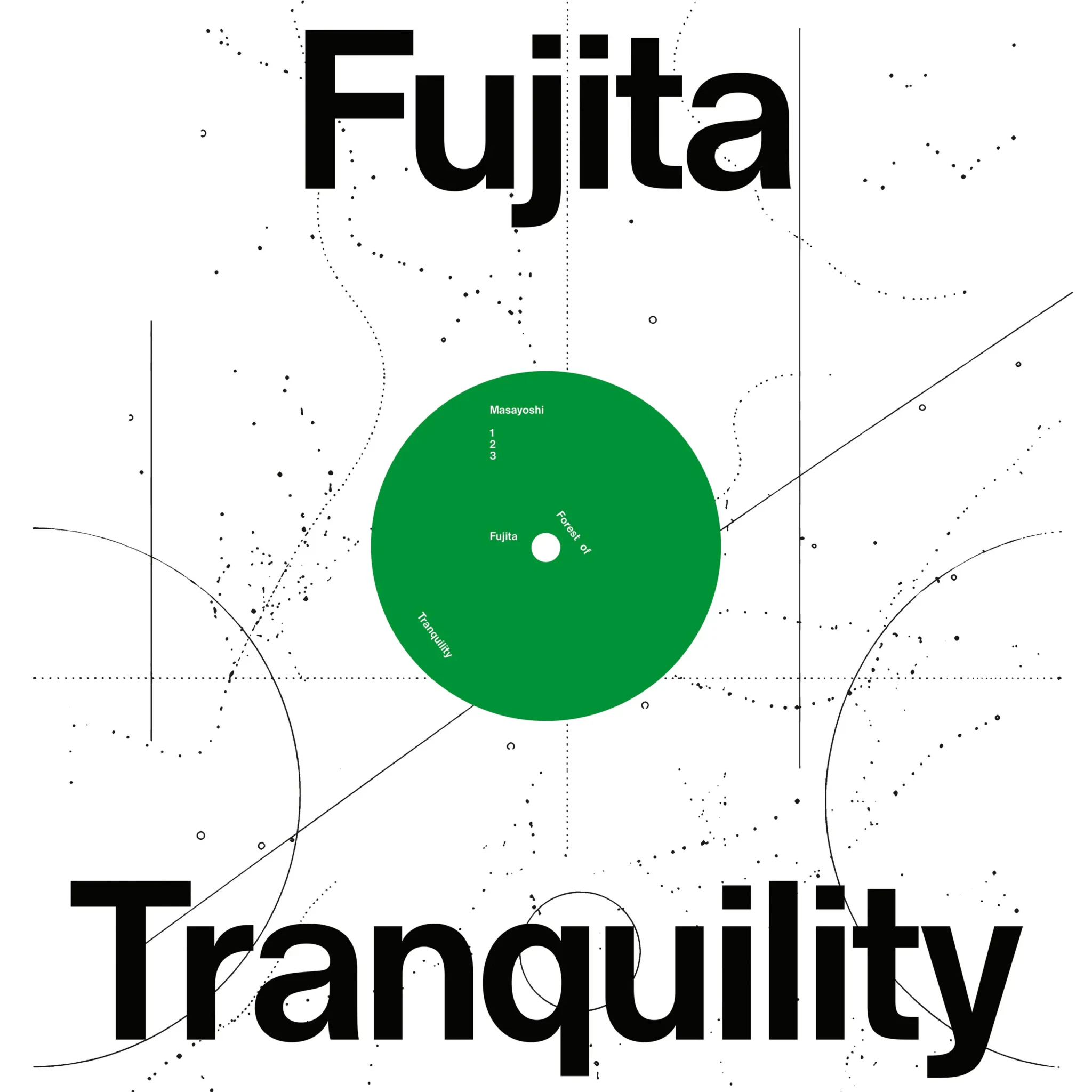
Two tracks are worth starting with. “Portal to the Universe” was the first single, out on 15 September 2026, and the label describes it as drifting through “the vast universe and sea of memory”, which makes it the big, open-skied entry point. The closer and focus track, “Time to Go”, sits at the other end of the day, lingering in the quiet of dusk, and it’s the one to reach for when you want your phone face down on the table.
Fujita’s own description of “Time to Go” reads like the feeling of logging off after a long week. “I had an image and a feeling of a day fading, looking back on the time gone by and getting ready to depart,” he told us. “It’s a little melancholy, but with hope for the next chapter.”
Plenty of Room to Breathe
The sound palette is where this album earns its calm. Erased Tapes lists marimba and vibraphone alongside the Armenian duduk, a double-reed woodwind played here by Hayk Karoyi, and the Japanese shō, a mouth organ made of bamboo pipes, played by Mattias Hållsten. Field recordings of birds and frogs and atmospheric drones fill in the rest. “I wanted to have a lot of space in between the sounds,” Fujita says, and that space is the whole point when everything else on your screen is shouting.
The label places him in the line of kankyō ongaku (Japanese environmental music) pioneers Hiroshi Yoshimura, Midori Takada and Haruomi Hosono. That’s music meant to blend with the room you’re in rather than demand your attention. If you already have a Yoshimura playlist for study sessions, this is a natural next add.
From Berlin to a Mountain Kindergarten
Fujita didn’t arrive at forest music by accident. After 13 years in Berlin, he moved to rural Japan in 2020 to make music in nature. He now lives and works in a mountain village in Kami-cho, Hyōgo, about three hours west of Kyoto, and records in a former kindergarten, which is about as far from an open-plan office as a workspace gets.
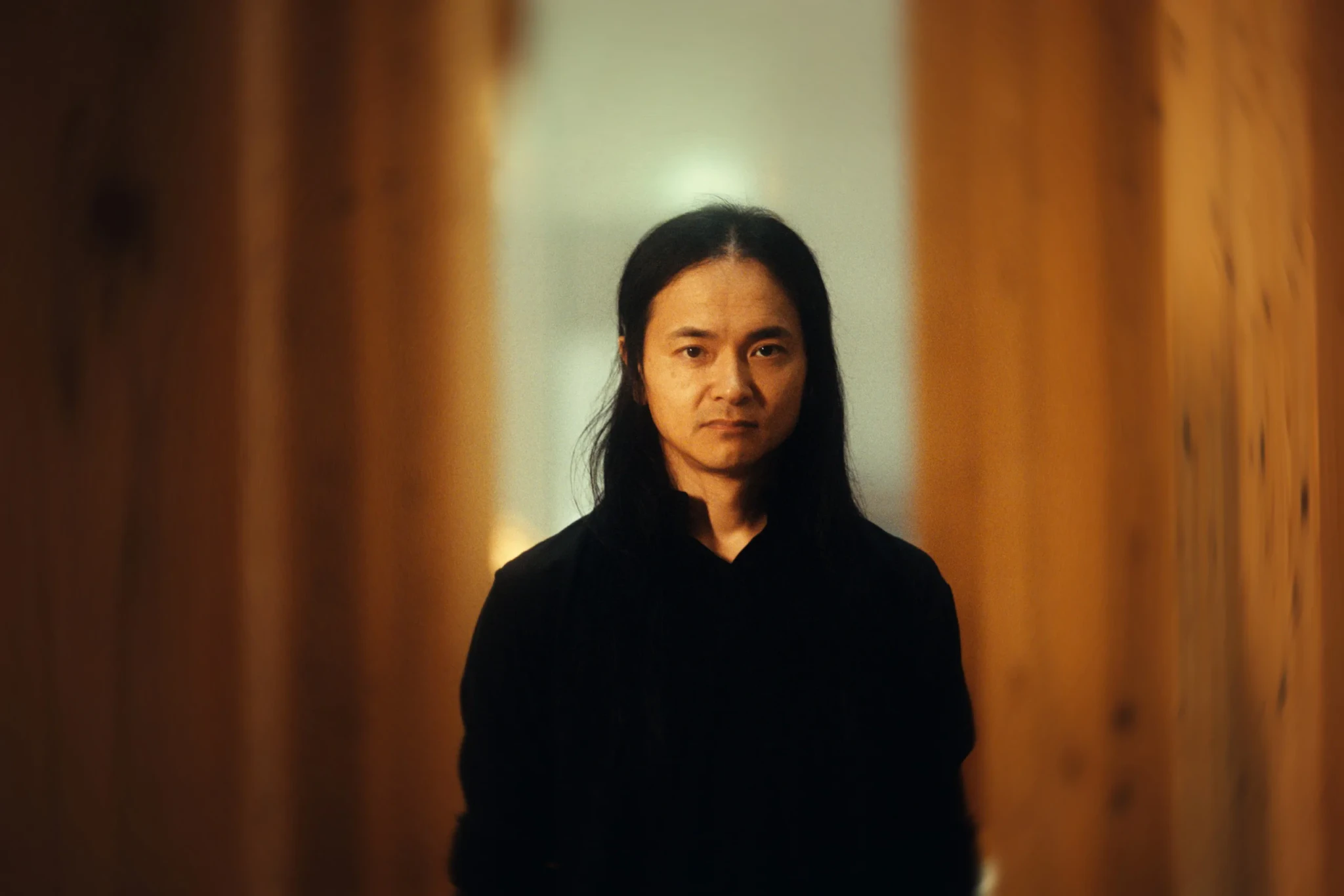
The album is finding listeners close to home, too. Erased Tapes says it has reached audiences in Japan, South Korea, Taiwan, Indonesia, Singapore, Thailand, Malaysia and Hong Kong. According to the label, Japan ranks as the album’s third-largest territory out of 15 million total streams. So if you’ve already found it on your own, you’re in good company here.
Catching Him at Wonderfruit
Fujita plays Wonderfruit Festival in Thailand on 3 December 2026, on the Forest Stage. He has played Wonderfruit before, but this is the first time he brings Forest of Tranquility outside Japan. The album can’t be reproduced live, he says, so he will take it apart and rebuild it through improvisation on vibraphone and untuned metal percussion. Around the festival he plays Kuala Lumpur on 6 December, Jakarta on 8 December and Taipei on 10 December. If you’ve been eyeing upcoming Asia festivals and where to stay, this is a gentle reason to add one more.
New to his music? Fujita points to Stories, Apologues and Book of Life, a trilogy of acoustic albums leaning toward classical music. Migratory and Forest of Tranquility are more ambient and use electronics, and Bird Ambience is the most experimental.
Hearing music written for 1,500 trees played out in the open seems like the right way to experience it. Fujita plays Wonderfruit Festival on 3 December 2026.
🗓️ Date: 3 December 2026 (Wonderfruit Festival, Forest Stage), then Kuala Lumpur 6 Dec, Jakarta 8 Dec, Taipei 10 Dec
📍 Location: Wonderfruit Festival, Thailand
🔗 Details: masayoshifujita.com
A forest that changed with the rain now fits in your pocket. Stream Forest of Tranquility tonight, start with “Time to Go” if you only have one track’s worth of patience left, and keep an eye on Masayoshi Fujita’s official website for his Wonderfruit set and the Asia dates around it. Your feed can wait!
Photos by Ryo Noda, Visuals courtesy of Erased Tapes.
Read us first on Google: add DANAMIC as a preferred source and our stories show up more in your Top Stories and AI results.