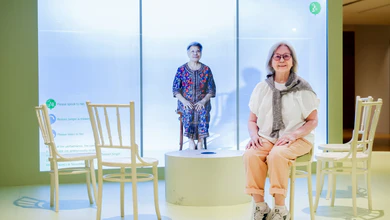
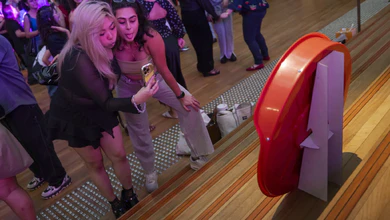
Children’s Museum Singapore (CMSG) opened Money Town: Make It Count! on 14 November 2026. In this special exhibition, children aged five to nine practise earning, saving, spending and donating through play. It runs till January 2029, which gives families in Singapore more than two years to let their kids make their first money mistakes with pretend dollars instead of real ones.
That’s the whole appeal. Many of us picked up our money habits the hard way, through a first paycheque that vanished by mid-month or a credit card bill nobody warned us about. Money Town is built on the idea that those habits can start forming years before a child opens a bank account.
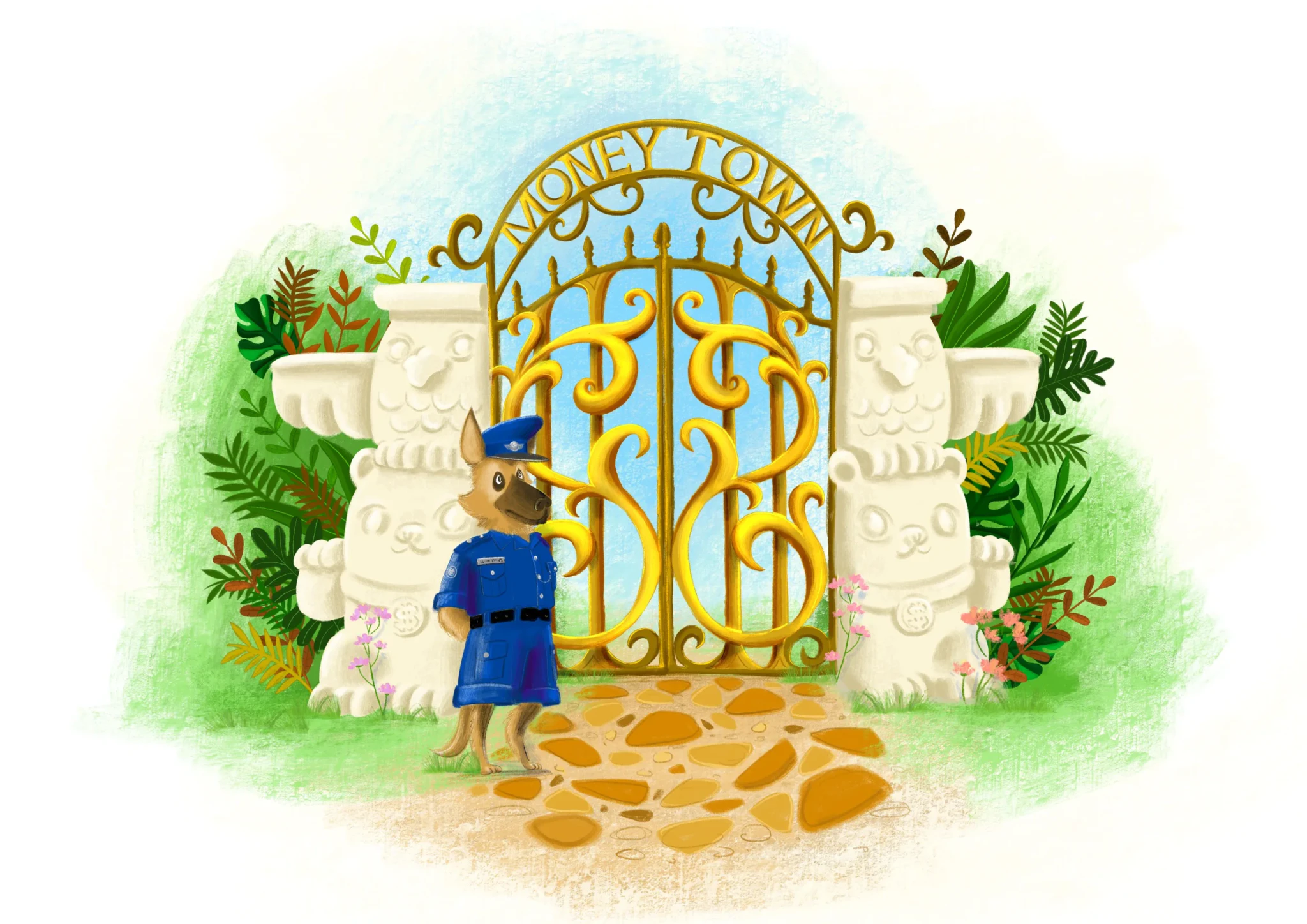
“Good money habits start young, and children learn best when they can see, do and talk things through,” said Asmah Alias, Director of Galleries, Exhibitions and Museums at HeritageSG. HeritageSG is the National Heritage Board (NHB) subsidiary that runs CMSG. Parents and caregivers are meant to play alongside their kids here, so nobody should plan on waiting at the exit with their phone.
Your Wristband Is Your Wallet
Every young visitor gets a personalised RFID (radio-frequency identification) wristband on entry, and it works as their Money Town wallet for the rest of the visit. Each child is randomly assigned an animal avatar. The line-up includes Economical Eagle, Business Bee, Thrifty Turtle, Frugal Fox, Ready Rabbit, Fit Frog and Generous Goldfish, which might be the cutest way anyone has explained frugality to a six-year-old.
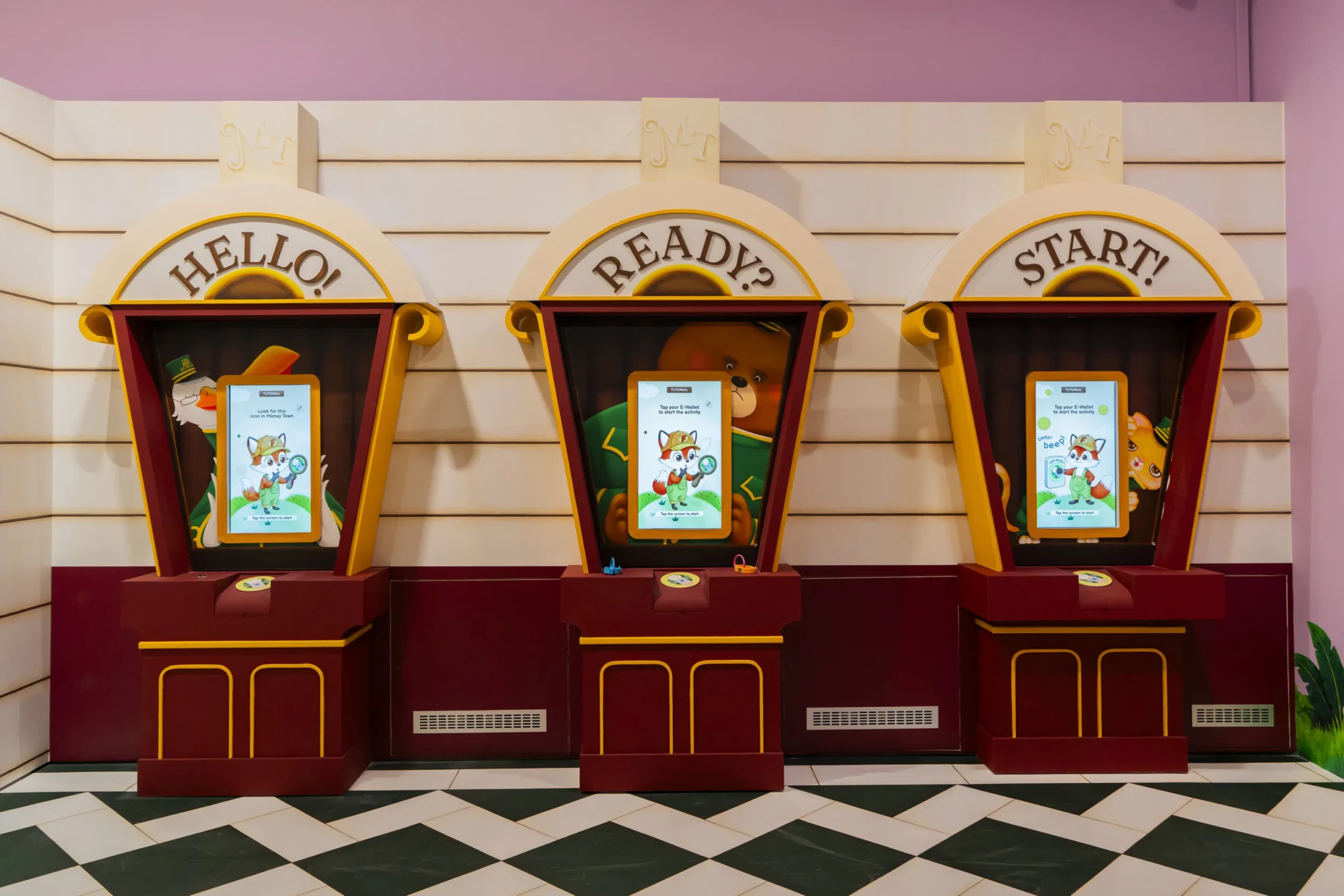
With a tap of the wristband, children earn, save, spend and donate Money Town dollars across different situations, and they can see how each decision changes what they have left. Caregivers can pair with their child’s wristband to earn digital bonus dollars at selected exhibits. That gives parents an easy opening to talk through trade-offs on the spot.
Pan for Gold, Print Your Own Cash
The money story begins at the beginning, in the Heritage Quarter. Kids can test their trading skills at the Barter Market, see how currency evolved at the Money Museum and pan for gold at the River of Gold, where they find out why the metal has long been valued as wealth.
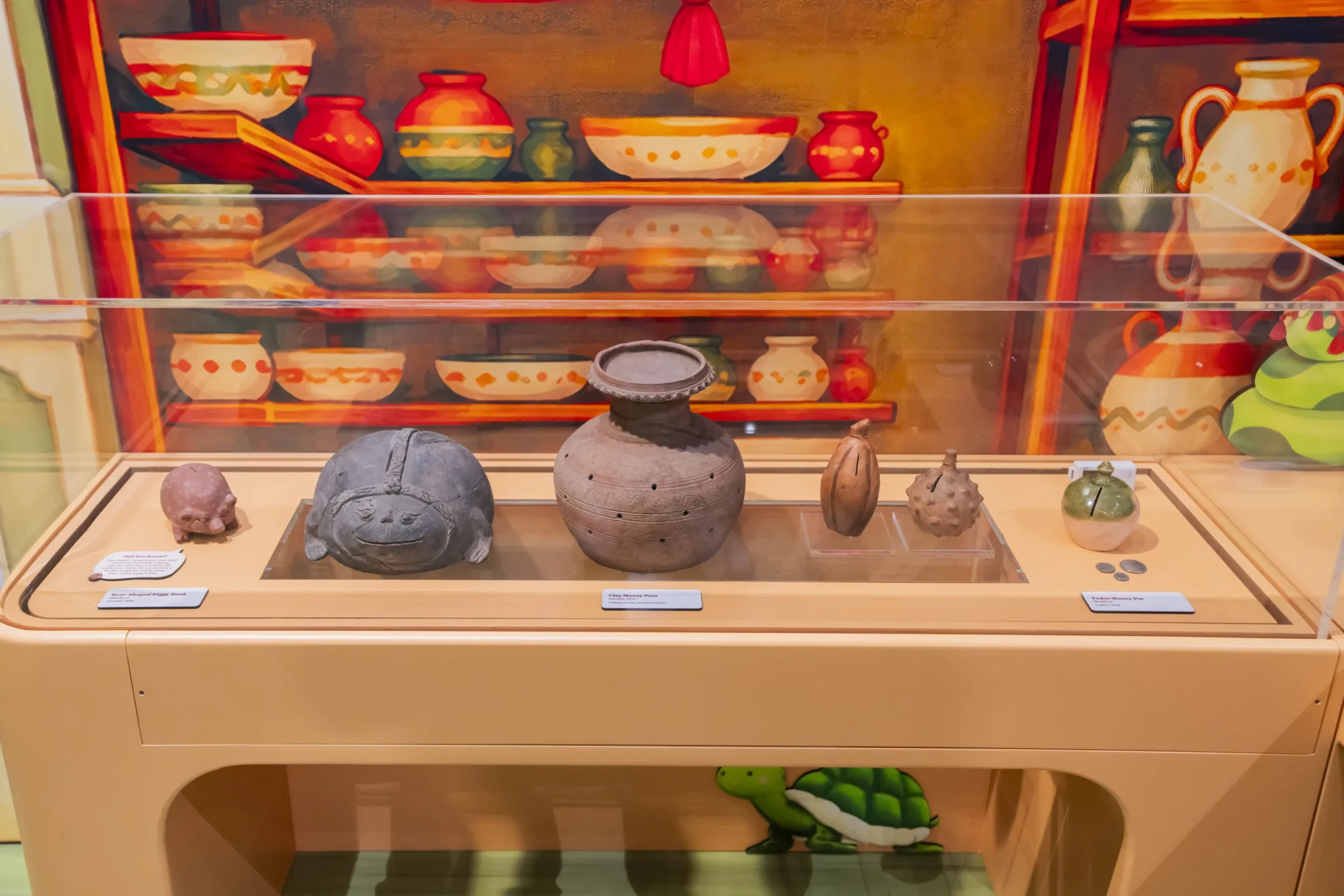
This zone is the one most likely to win over kids who think money starts and ends with a phone tap. It rewinds to a time when people swapped goods directly, and it uses museum objects to tell the history of trade and exchange.
At the Money Lab, children can admire notes and coins from Singapore and print their own Money Town Dollars. The Bank and Savings Nursery then lets them deposit savings and watch them grow. CMSG says this slow-growth moment is meant to teach patience and planning towards future goals, a lesson plenty of grown-ups with a buy-now-pay-later habit could stand to revisit.
The Exchange introduces basic ideas around investment through something called the Pineapple Index. The name alone should have kids asking what a pineapple has to do with investing, and that question is half the lesson.
Needs, Wants and a Loan Racer
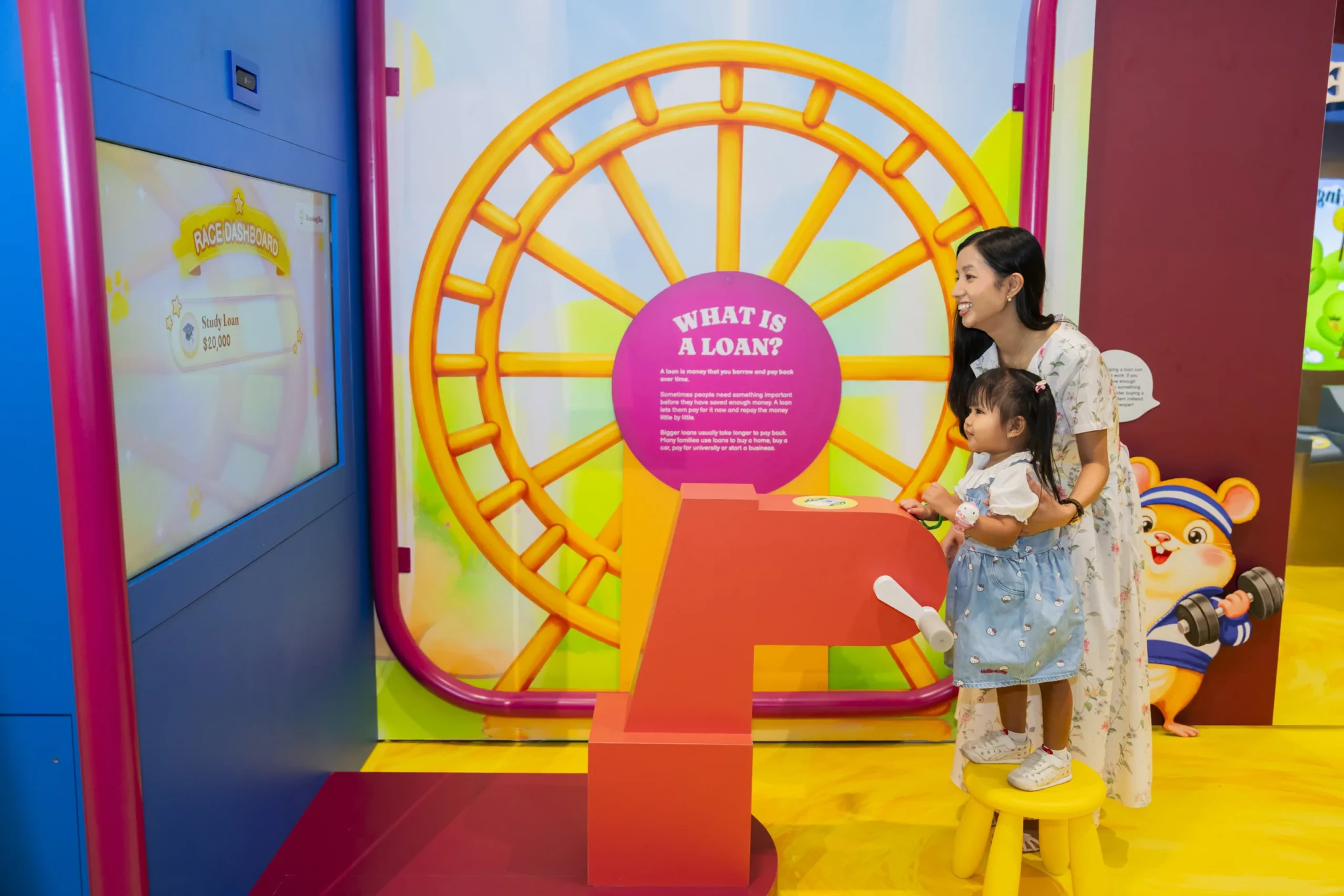
If you only have time for a few zones, start with the Money Gym and the Supermarket. The Money Gym covers self-control, planning and discipline. Its Loan Racer challenge has kids racing to pay off debts, a concept many of us first met on a credit card statement.
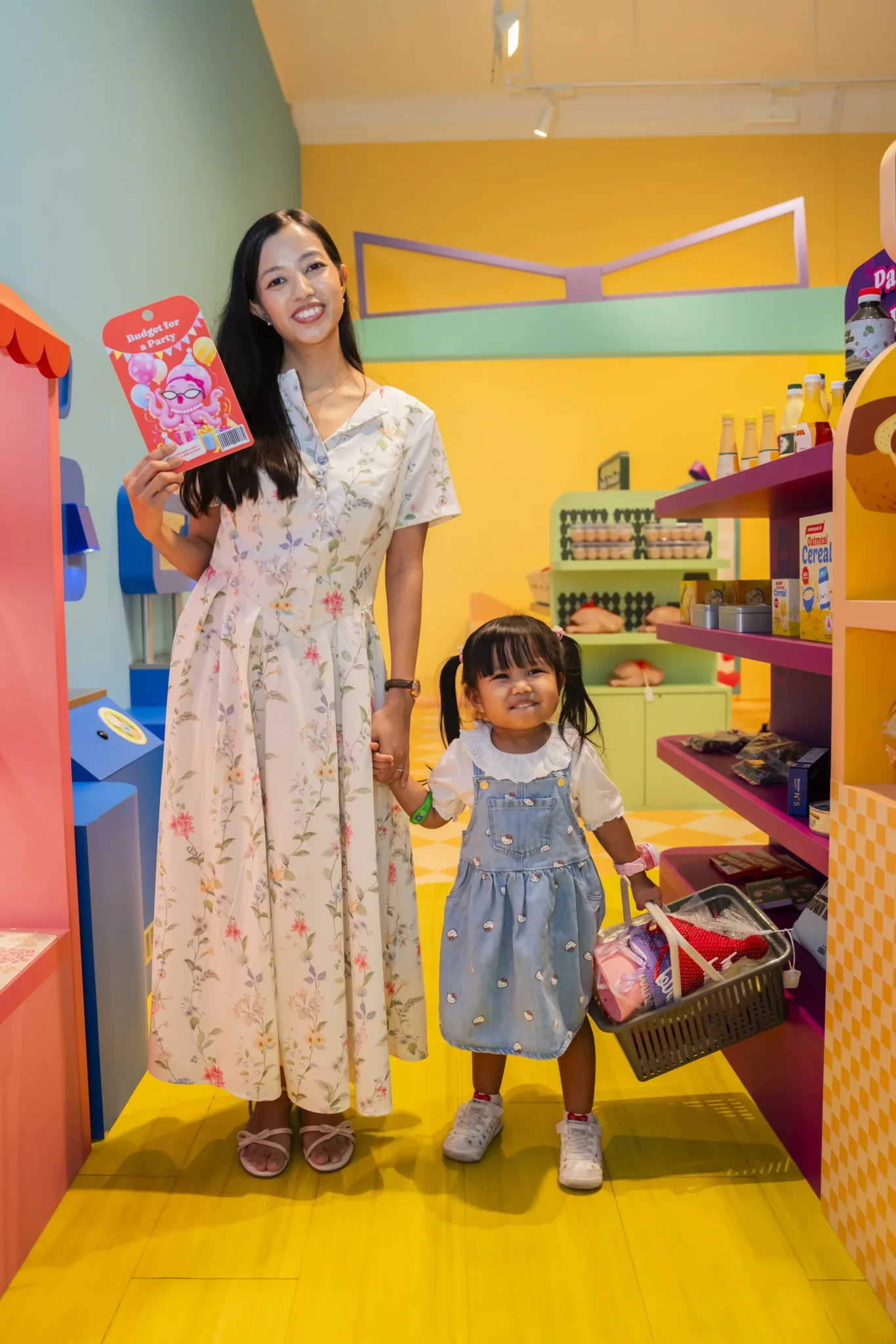
The Supermarket asks children to make everyday purchases while weighing needs against wants on a budget. It includes special challenges developed with the Health Promotion Board (HPB) to steer kids towards healthier choices. Elsewhere, the Vault explores things money can’t buy, and the Giving Booth lets kids support a cause close to their hearts.
Sentimental value gets its own sensory touch. Givaudan developed a signature chou-chou scent, tested with children, that is meant to evoke the comfort and nostalgia of treasured possessions. (Chou-chou is the local word for a child’s beloved comfort item.)
A Back Alley Full of Scams
Then there’s the Back Alley, which hosts interactive anti-scam challenges. Kids learn to spot suspicious offers, question claims that sound off and make informed choices about the digital world.
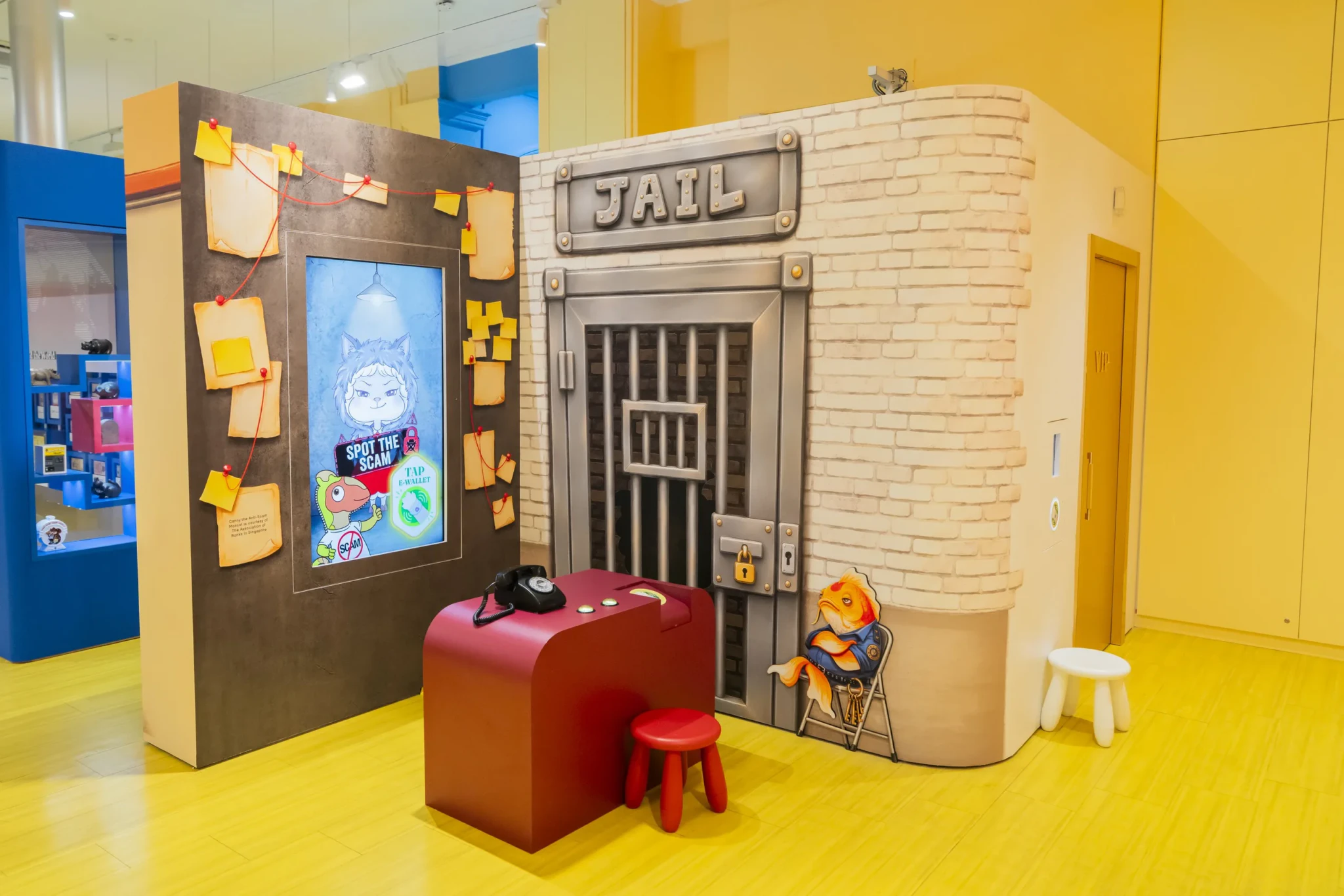
This is the zone worth heading to first. Anyone who has squinted at a dodgy text will see why: it’s the one lesson from Money Town that protects a child long after they’ve outgrown pretend dollars.
Money Barn for the Under-Fours
Younger siblings get their own space. Money Barn is a dedicated playspace for children aged 48 months and below, built around sorting, counting, matching, sensory exploration and imaginative play.
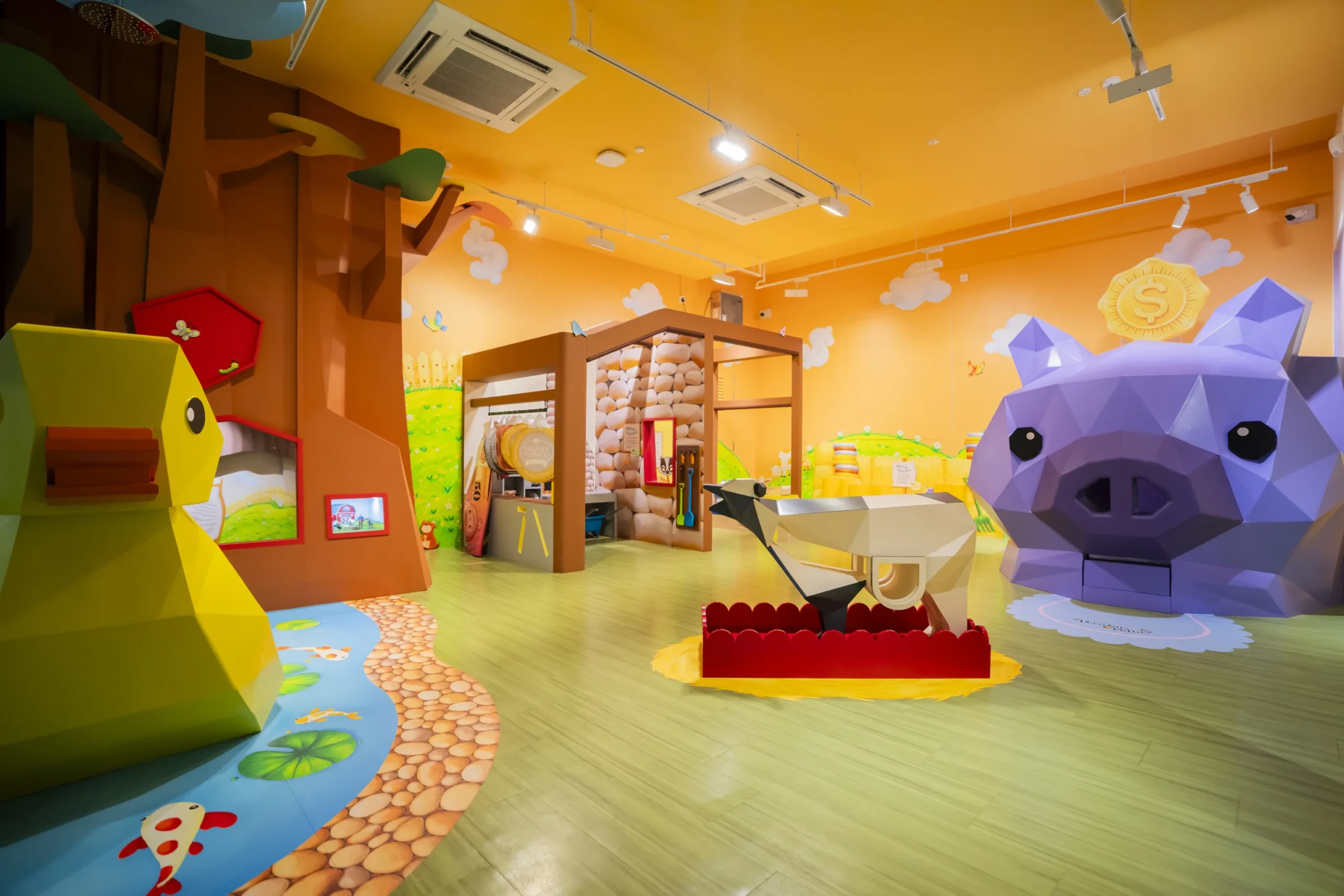
CMSG says the activities aim to build curiosity and confidence in a playful setting. For toddlers, that’s the right pitch: counting comes first, and budgets can wait.
A Receipt to Take Home
At the end of the visit, every child gets a take-home receipt and a printed badge that records the decisions they made, along with an invitation to come back and try a different approach. For an exhibition that runs more than two years, it’s a smart hook. A child can spend everything on one visit, then save on the next and see what changes.
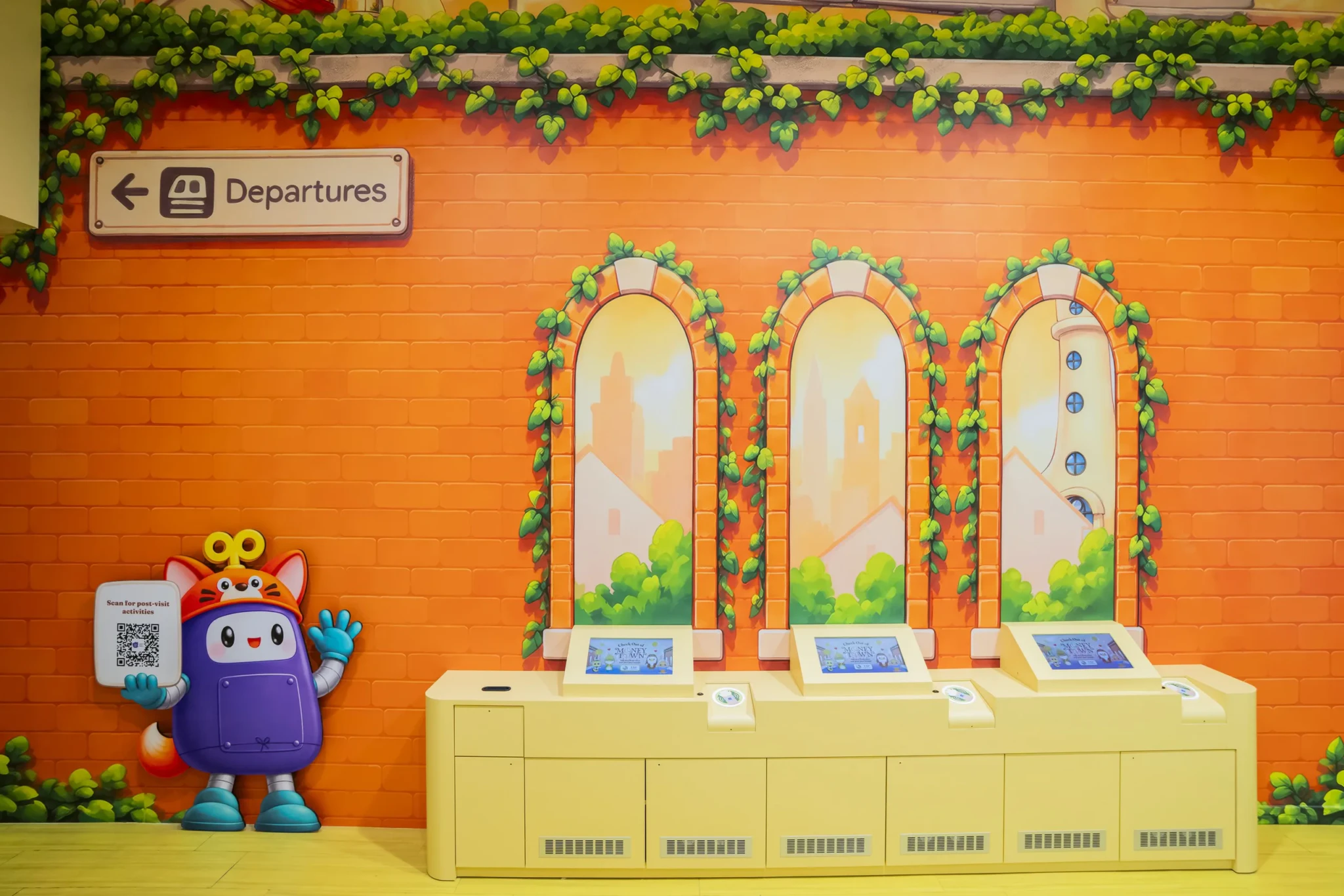
The pre- and post-visit parental guides were developed with child therapists, including certified Child Life Therapist Tanuja Nair. “The objective is to acknowledge feelings around choices, practise patience and decision-making, with reassurance and encouragement rather than pressure to get it right,” she said.
Built With Kids, Heading to Malls
CMSG developed Money Town through its inaugural Curator Residency with FRida & freD, the Graz Children’s Museum in Austria. Preschoolers from E-bridge, aged five to six, tested concepts through role play and activity stations. Educators, caregivers and community partners, including persons with special needs, shared how children encounter money in everyday life.
UOB Foundation, the bank’s philanthropic arm, is the Presenting Partner. Its chairman, Janet Young, said she hopes the exhibition helps families “have meaningful conversations about the value of money.” CMSG says it plans a travelling version for malls and public libraries from April 2027 to January 2029.
Launch Weekend: Cookies and an Otter
Three launch-weekend programmes run until Sunday, 15 November 2026. The pick is The Priceless Pantry: Festive Rainbow Sugee Cookies, because it turns the exhibition’s big idea about what money can’t buy into something you can eat. Parents and kids bake traditional sugee cookies from scratch, add rainbow twists and package them as handmade gifts. It runs from 10am to 12.45pm at Lewin Terrace (meet at the CMSG lobby), is recommended for ages five to 12 and costs S$80 per parent-child pair.
WonderBot’s Rainbow Market is a free drop-in activity for museum ticket holders in the Discovery Room, on a first-come, first-served basis. Sessions run from 11am to 12.30pm, 2pm to 3.30pm and 4pm to 5.30pm, and it’s recommended for ages four to eight. Kids fill a rainbow basket in which every fruit and vegetable costs S$1, then pay with play money.
Ottie Shares with Those in Need is a free drop-in storytelling session from 2.45pm to 3.15pm in the Discovery Room, for ages four and up. It’s part of WS Education’s Be a Money Champ series, and every session includes sign language interpretation.
🗓️ Date: Opened Saturday, 14 November 2026; runs till January 2029
📍 Location: Children’s Museum Singapore, 23-B Coleman Street, Singapore 179807
👧 Ages: Money Town for five to nine; Money Barn for 48 months and below
🍪 Launch weekend: Until Sunday, 15 November 2026
🚌 Travelling version: Planned for malls and public libraries from April 2027 to January 2029
If you wish someone had walked you through loans, scams and saving before your first paycheque, Money Town is that walkthrough for your kids, your nieces and nephews, or the little cousin who already asks for everything at the checkout. Plan your visit on the Money Town: Make It Count! page, and check CMSG’s Activities and Events listings to book the launch weekend cookie class before it fills up!
Photos and Visuals courtesy of Children’s Museum Singapore.
Read us first on Google: add DANAMIC as a preferred source and our stories show up more in your Top Stories and AI results.