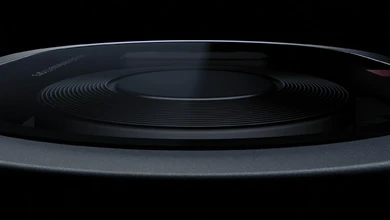
Huawei’s HUAWEI FreeBuds SE 5 MAX goes on sale in Singapore from 10 November 2026 at 8pm. It promises up to 80 hours of total battery life and up to 52 dB of active noise cancellation (ANC). If you’re shopping for a pair to get you through the MRT ride or a library study session, check those two numbers before you check out.
Huawei says the FreeBuds SE series has passed 30 million units in cumulative shipment orders as of 30 September 2026, so the line clearly has fans. The SE 5 MAX is the newest model, and the claims on its box are the series’ boldest yet.
Where 80 Hours Comes From
The headline figure counts every top-up from the charging case. It doesn’t tell you how long the earbuds last in your ears.
That 80 hours comes with conditions, too. Huawei’s lab tested it at 50% volume with ANC switched off, streaming in AAC (Advanced Audio Coding, the standard Bluetooth format iPhones use) from a HUAWEI Mate 80 Pro. Huawei’s own footnote admits you’ll get less if you turn the volume up or leave noise cancelling running all day.
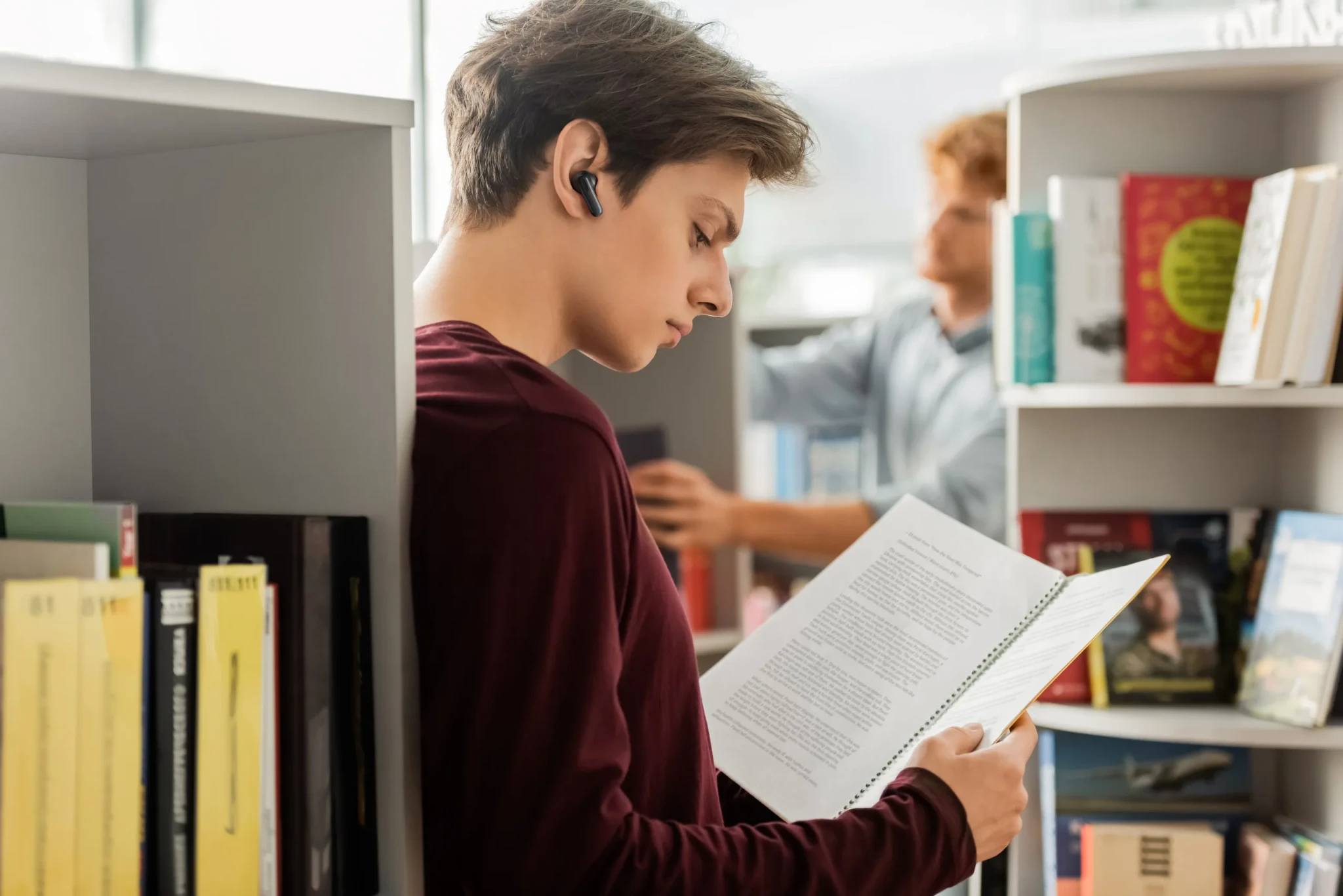
For most commuters, the number that matters is 7 hours per charge with ANC on. That covers a long day of classes plus the ride home, which is solid, but it’s a very different promise from 80.
Huawei claims the earbuds can last up to two weeks with typical daily use, and the footnote shows how it got there. Its model assumes 240 minutes of use a day, mostly music with ANC on, and has you wearing one earbud for half that time. If you always listen in both ears, expect fewer days between charges.
When the battery runs low, a 10-minute charge gives up to 4 hours of playback, based on Huawei’s tests. That’s handy if you forgot to charge them overnight and have a coffee break to spare.
52 dB, With an Asterisk
Huawei splits noise cancelling into modes. Ultra is for busy commutes, General is for shopping centres and cafés, and Cosy is for quieter places like libraries and offices. Dynamic senses the noise around you and adjusts the level automatically, and it’s the one most people will probably leave on.
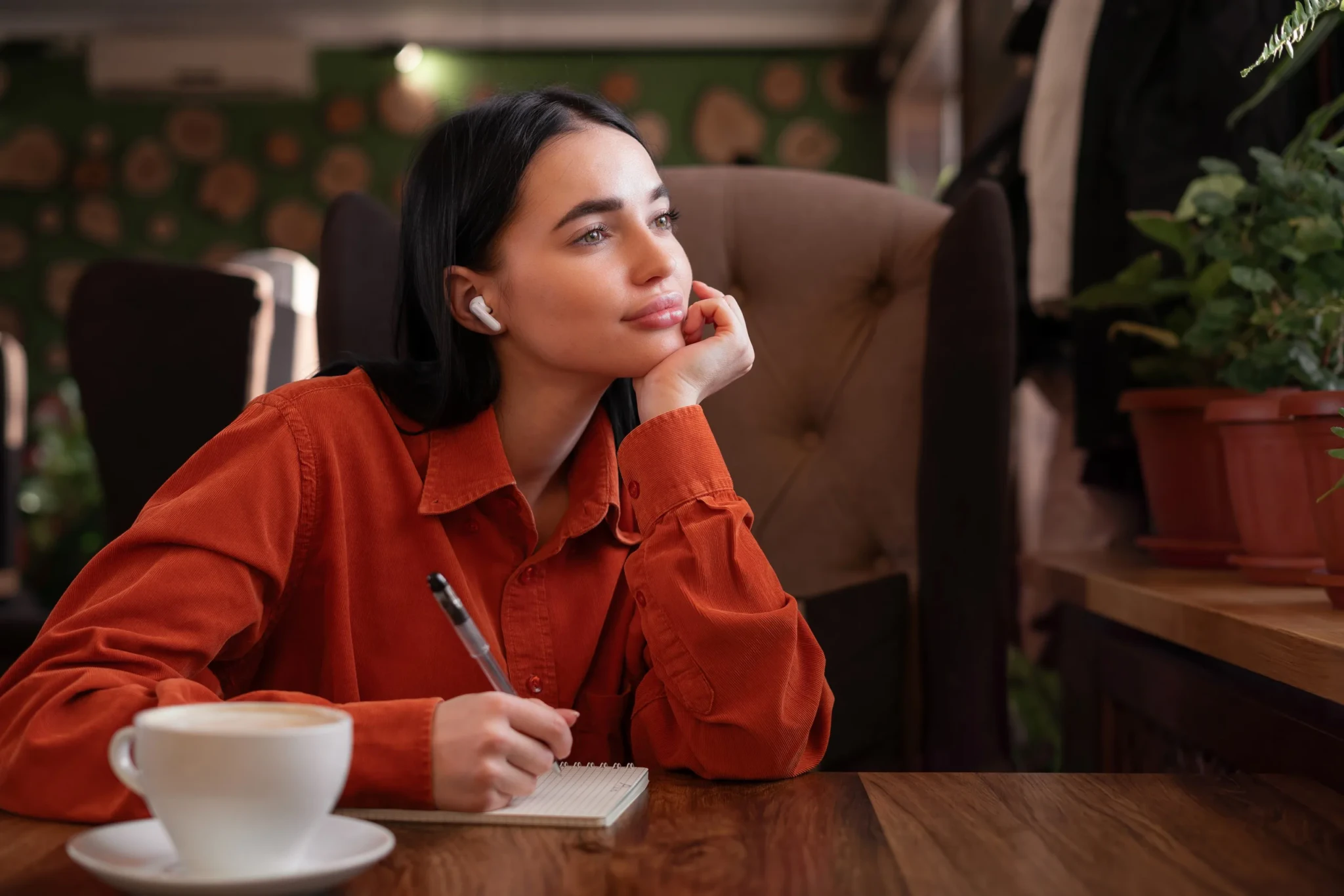
Now the fine print. Huawei describes 52 dB as the maximum noise reduction, reached “in specific scenarios and specific frequency bands” in its own lab. Its footnote adds that the effect is less noticeable in high-frequency ranges, such as human voices and horns.
In practice, that means it works best on steady, low rumbles like a train engine and struggles more with the chatter at the next table. That’s normal for noise cancelling at any price. Use 52 dB as a peak figure for comparing spec sheets, and don’t expect your café to go silent.
Huawei says the fit was designed using more than 10,000 ear profiles from its own labs. That matters more than it sounds, because a loose seal will undo good noise cancelling faster than any spec sheet can make up for.
Calls, Codecs, and Your Phone
For calls, Huawei pairs a three-microphone pickup design with an AI noise reduction algorithm that it says separates your voice from background noise. That’s the feature to watch if you take online meetings or tutorials from a noisy HDB kitchen or a hawker centre.
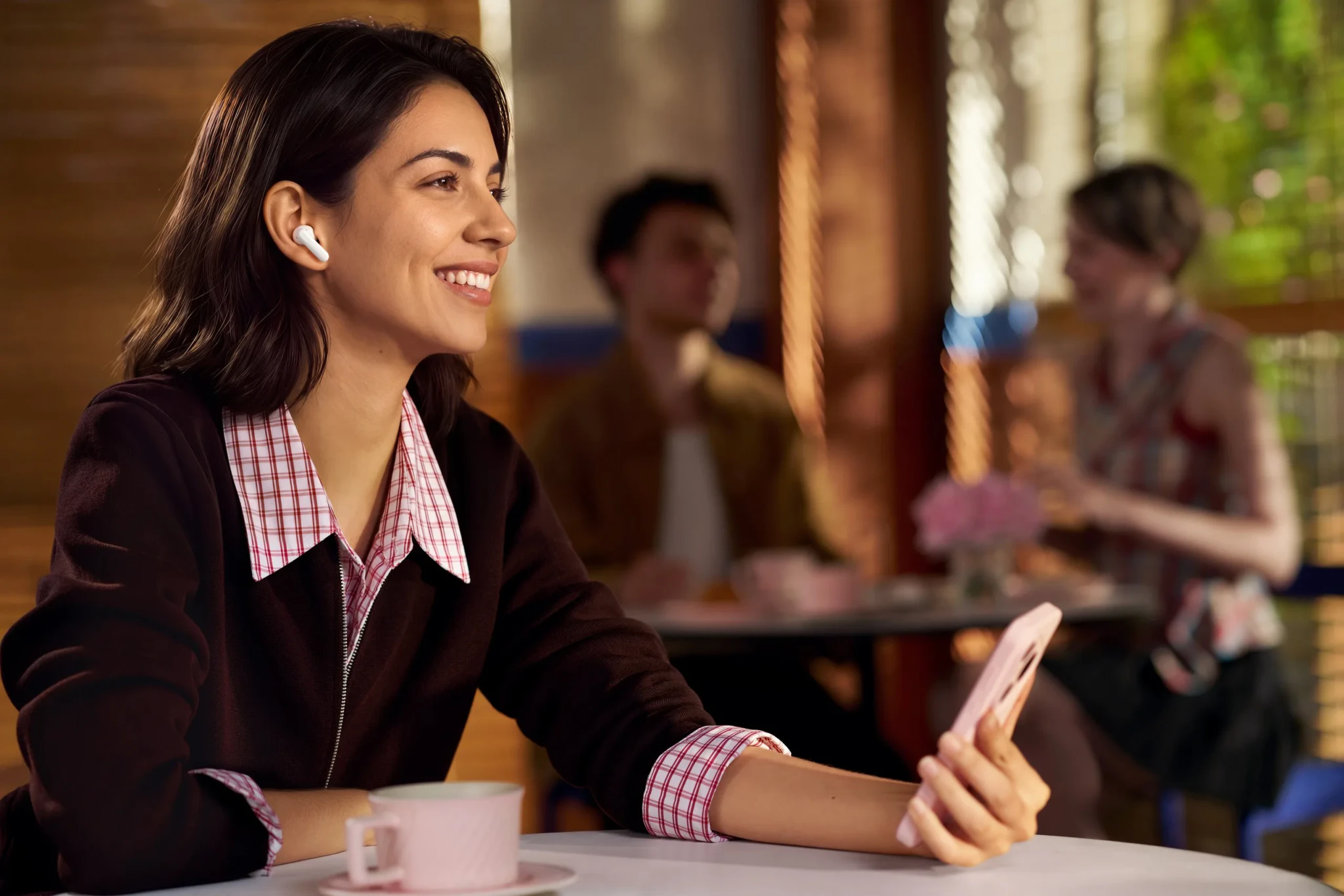
Audio fans get LDAC, a high-resolution Bluetooth codec (the format your phone uses to send music to your earbuds). Huawei quotes bitrates of up to 990 kbps (kilobits per second). Behind it sit a 10mm driver, preset sound modes and a 10-band custom EQ (equaliser), so you can boost the bass or bring vocals forward.
There’s a catch for iPhone owners. LDAC only works when the phone supports it, and iPhones don’t, so they’ll stream in AAC instead. Plenty of Android phones do support LDAC, which makes this pair a better deal on that side of the fence.
Dual-device connection lets you switch audio between devices running iOS, Android, and Huawei’s own EMUI and HarmonyOS, so an iPhone and an Android tablet can stay paired at once. If your phone isn’t a Huawei, you’ll need the HUAWEI Audio Connect app, and Huawei notes that available features vary by phone model. Bluetooth 6.0 keeps latency low for videos and games, though Huawei says the delay you get depends on your phone and what you’re watching.
Light Enough to Forget
Each earbud weighs about 4.3g with the medium tips fitted, and Huawei says that makes them its lightest in-ear ANC earbuds, based on its own lab tests. The charging case is semi-transparent and comes in high-gloss White, frosted pearlescent Blue with mica, and matte metallic Black.
The IP55 dust and water resistance rating covers drizzly walks and sweaty workouts. It applies only to the earbuds, though, not the case. Huawei’s footnote states that liquid damage isn’t covered by the warranty and suggests wiping the earbuds dry after exercise, so leave the case out of the rain.
So, Should You Bite?
On paper, yes, as long as you’re buying it for the right reasons. A 7-hour ANC battery, a choice of noise cancelling modes, LDAC and multipoint pairing make a well-rounded kit, and Android users get the most out of it.
Buy it for the battery and the fit, and treat 80 hours and 52 dB as best-case lab numbers rather than what you’ll get every day. iPhone users still get long battery life and cross-platform pairing, minus the high-resolution codec.
🗓️ On sale: From 10 November 2026, 8pm, according to Huawei
🎟️ Early Bird Voucher: S$10 off online purchases (first-come, first-served; T&Cs apply)
🛒 Where: HUAWEI Official Stores on Lazada, Shopee and TikTok Shop
🎨 Colours: Black, Blue and White
Huawei says the FreeBuds SE 5 MAX will be sold exclusively through its official online stores, and the Early Bird Voucher goes on a first-come, first-served basis. If a battery that outlasts your week sounds good, have Huawei’s official online store open on Lazada, Shopee or TikTok Shop open when 8pm on 10 November rolls around!
Photos and Visuals courtesy of HUAWEI.
Read us first on Google: add DANAMIC as a preferred source and our stories show up more in your Top Stories and AI results.