Singapore has a brand-new okapi, and if you want to see him, head for Hidden Forest at Rainforest Wild Adventure East in Mandai. The male calf was born there on 27 July 2026, and Mandai Wildlife Group says he’s the first okapi born in Southeast Asia. That puts one of the planet’s most elusive animals right on Singapore’s doorstep.
The catch is that okapi calves are wired to hide, so a sighting is far from guaranteed. Here’s what to know before you go, from how he got his name to the okapi cake on the menu.
Three Names on the Shortlist
When Mandai announced the birth on 24 September 2026, it invited the public to help name the calf through a vote on its Mandai Wildlife Reserve Facebook and Instagram pages. All three options come from African languages. Imara means strong in Swahili and Mayaka means pearl in Lingala, while Kiah means dawn, new beginnings or the start of the season in Swahili.
The calf is now Kiah, a name Mandai revealed in an Instagram post.
Meet the First-Time Parents
The calf’s mum is seven-year-old Kisala and his dad is four-year-old Xandor. Both came to Singapore under the EAZA Ex situ Programme (EEP), which Mandai describes as a coordinated breeding programme for threatened species.
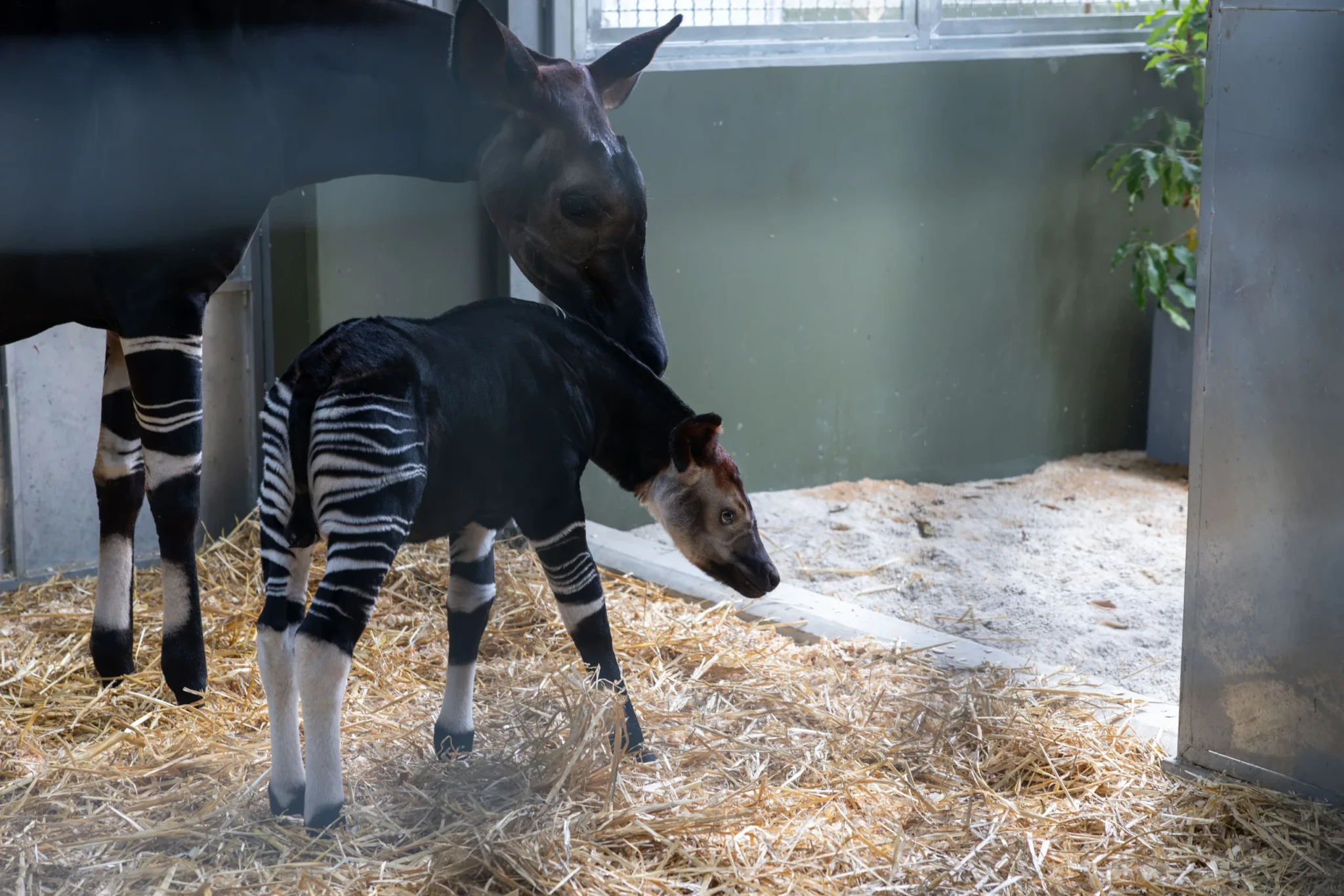
Ms Cecilia Tang, Curator, Animal Care (Operations) at Mandai Wildlife Group, said keepers noticed changes in Kisala’s appetite and body condition after the pairing and began preparing for a possible pregnancy. “An ultrasound in July confirmed she was expecting a calf, which was an exciting milestone for the team,” she said. She added that Kisala “has been an excellent mother”.
Built to Stay Hidden
That ultrasound capped a long wait. Mandai puts okapi gestation at around 440 days, or 14 to 15 months, which is one of the longest gestation periods among hoofed mammals.
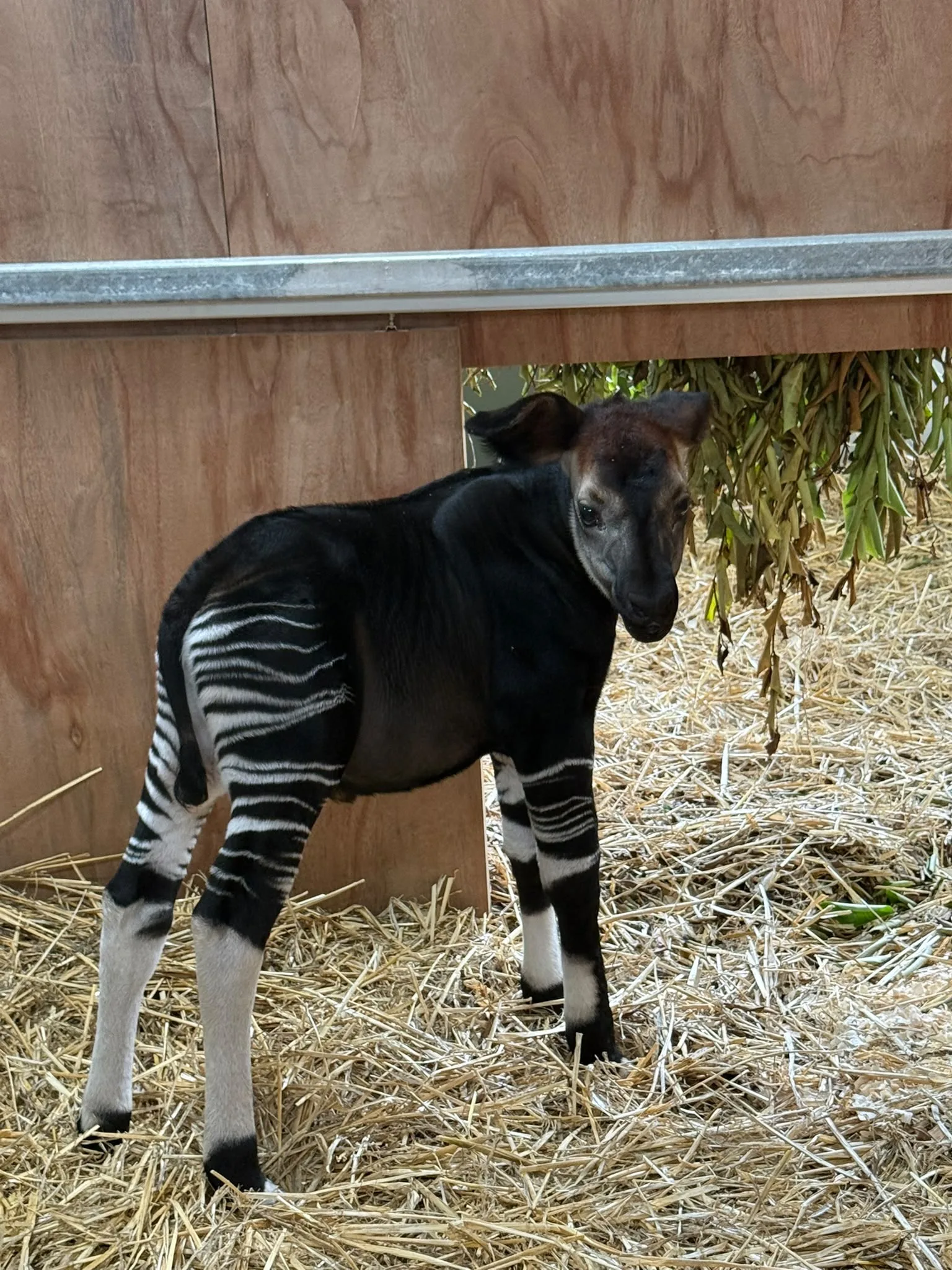
The shyness starts early as well. Many newborns trail after their mothers, but okapi calves spend much of their early days hidden and still to avoid predators, and their mothers return only a few times a day to nurse. Mandai adds that newborn calves are believed to carry very little scent during this period, which gives them extra cover while they stay tucked away.
To support that instinct, the team built a quiet, secluded calving box where the calf can rest and feed undisturbed during his first few months. The design drew on husbandry practices from other zoos that had successfully bred okapis.
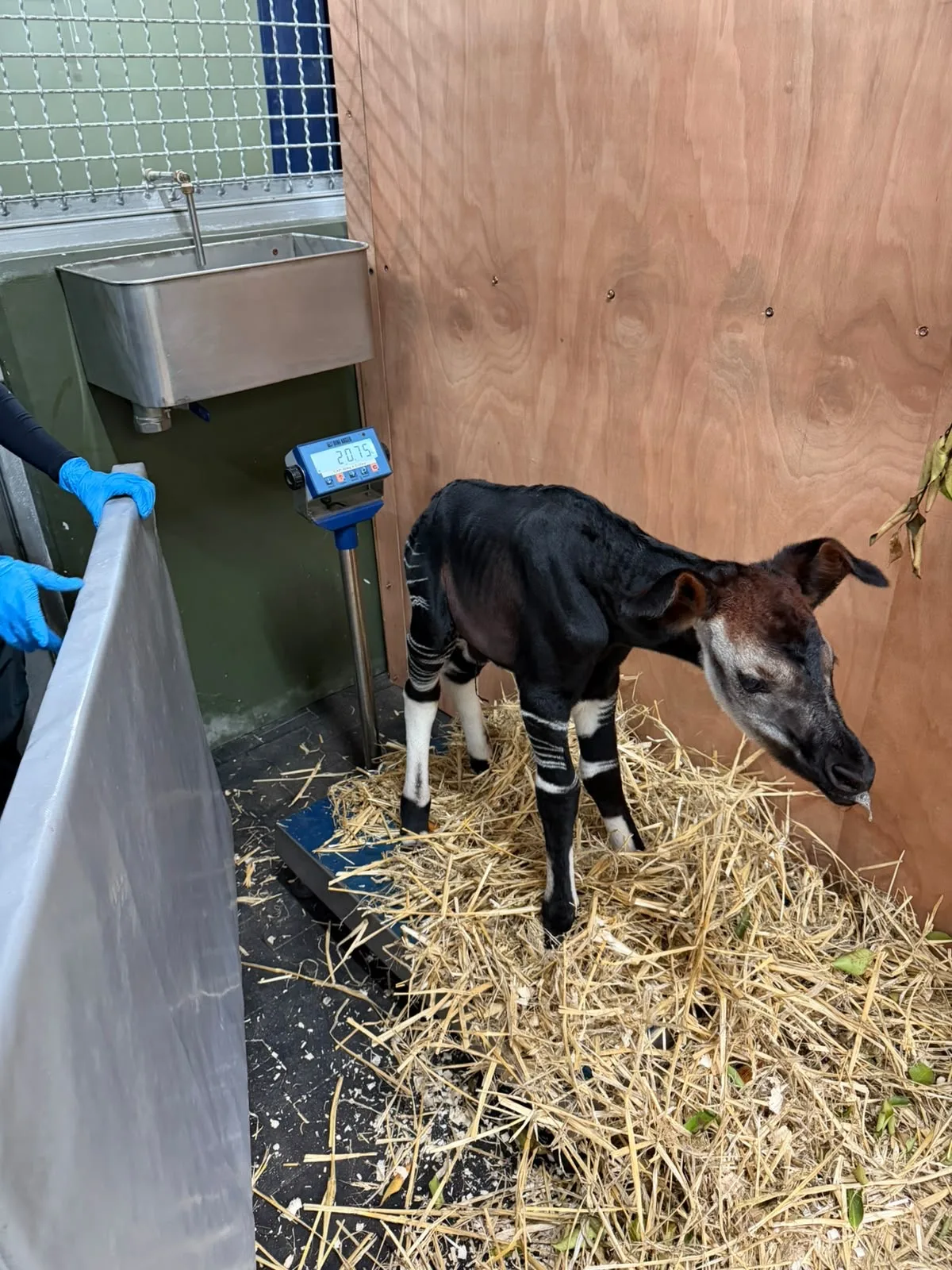
Going by Mandai’s numbers, the setup is working. The calf weighed about 20kg at his first weigh-in on 28 July 2026. By the September announcement he had more than doubled his birth weight to a healthy 48kg, and Tang said he was gaining nearly a kilogramme a day on average.
The “African Unicorn”
Never heard of an okapi? You’re in good company. According to Mandai, the species remained unknown to modern science until 1901 and was once called the “African unicorn” because it was so rare and elusive. Despite the stripes on their legs, okapis are the closest living relatives of giraffes. They share the long, flexible tongue and the ossicones, which are the bony, horn-like structures on the male’s head.
Okapis are native to the northeastern Democratic Republic of the Congo and are listed as Endangered on the International Union for Conservation of Nature (IUCN) Red List. Mandai notes that only a handful of zoos worldwide care for the species. That makes a healthy calf from a coordinated breeding programme a rare bit of good wildlife news, and one worth celebrating!
How to Spot Him
At Hidden Forest, Mandai says you’ll have a chance of seeing Kisala and her calf, and Xandor lives in a separate habitat nearby. The calf only recently got access to the outdoor habitat. Tang said keepers are letting him explore and build confidence at his own pace, so “it may take some time before visitors see more of him”.
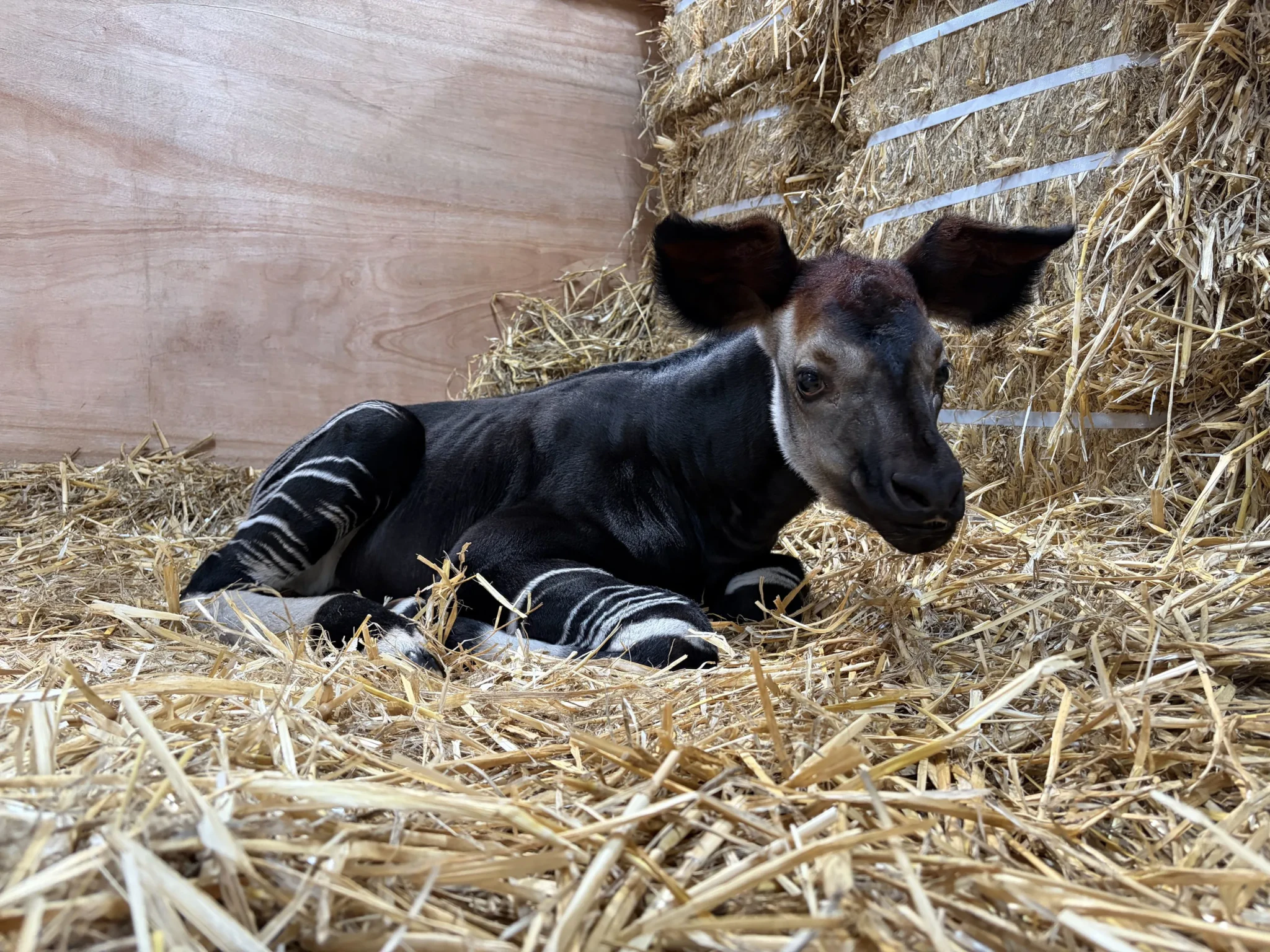
When he retreats to the off-exhibit den, the “baby monitor” gives visitors a live feed from inside. Keepers also run a daily Okapi Ranger Talk at 10.30am and 3pm about okapis and their unusual behaviours, and that’s the best way to make sense of all that hiding.
Singapore residents with a WildPass membership pay local admission rates from S$25 for seniors, S$32 for children aged three to 12 and local students aged 25 and below, and S$45 for adults, according to Mandai. These are starting rates, so check the price for your date when you book on the Mandai Wildlife Reserve website.
Okapi Cake, Anyone?
To celebrate the birth, Mandai said an okapi-inspired cake would be available from October at selected outlets. These include Rangers Pitstop and Rangers Retreat in the park and Owa Bistro at Mandai Wildlife East.
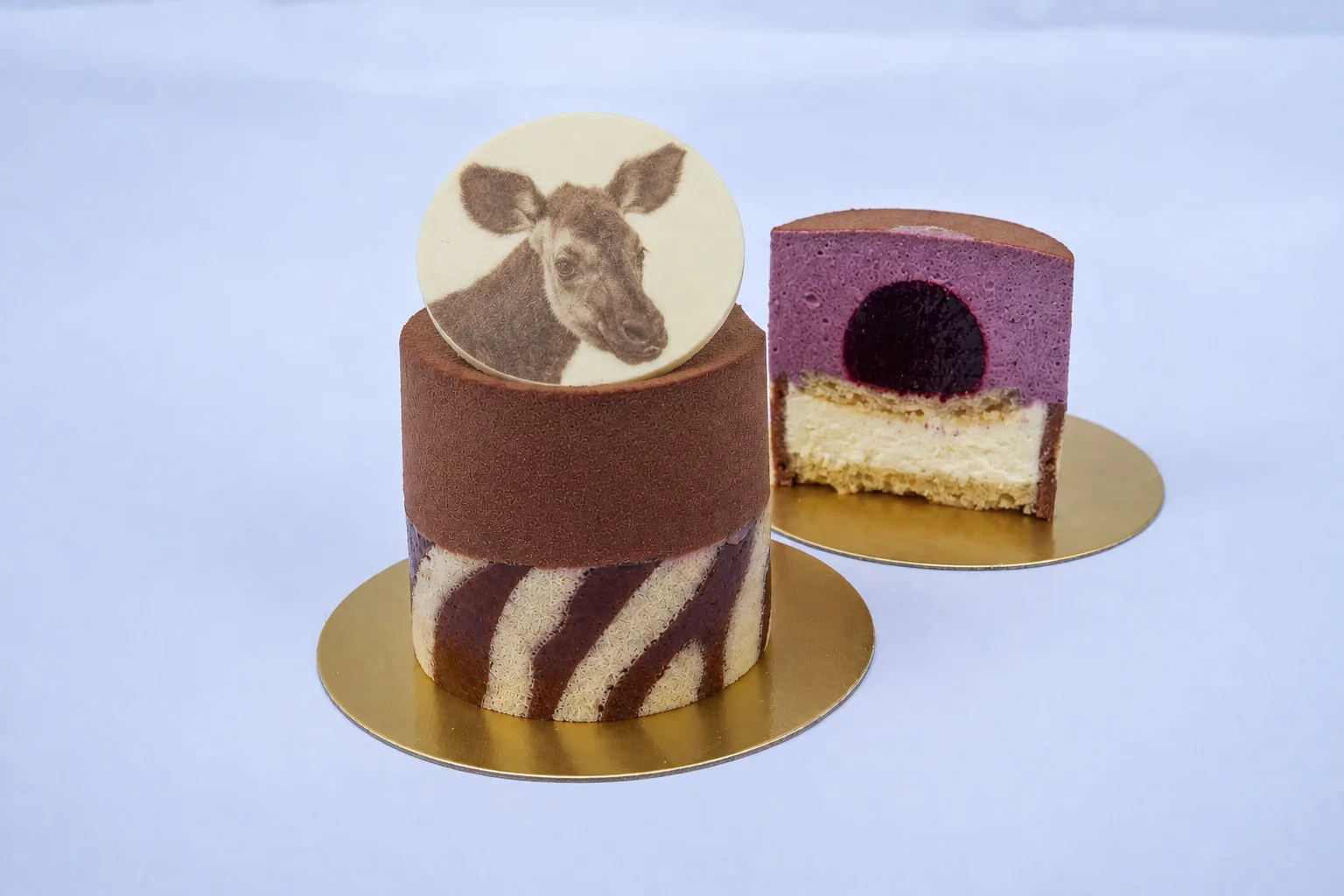
Mandai describes the cake as an entremet inspired by the okapi’s stripes, layered with blueberry, mascarpone chantilly and cassis. A dessert that matches the animal you came to see is an easy sell.
The retail shop at Rainforest Wild Adventure East stocks okapi souvenirs, including soft toys, tumblers and lanyards. If the calf stays hidden during your visit, a plush okapi makes a decent consolation prize.
More New Neighbours
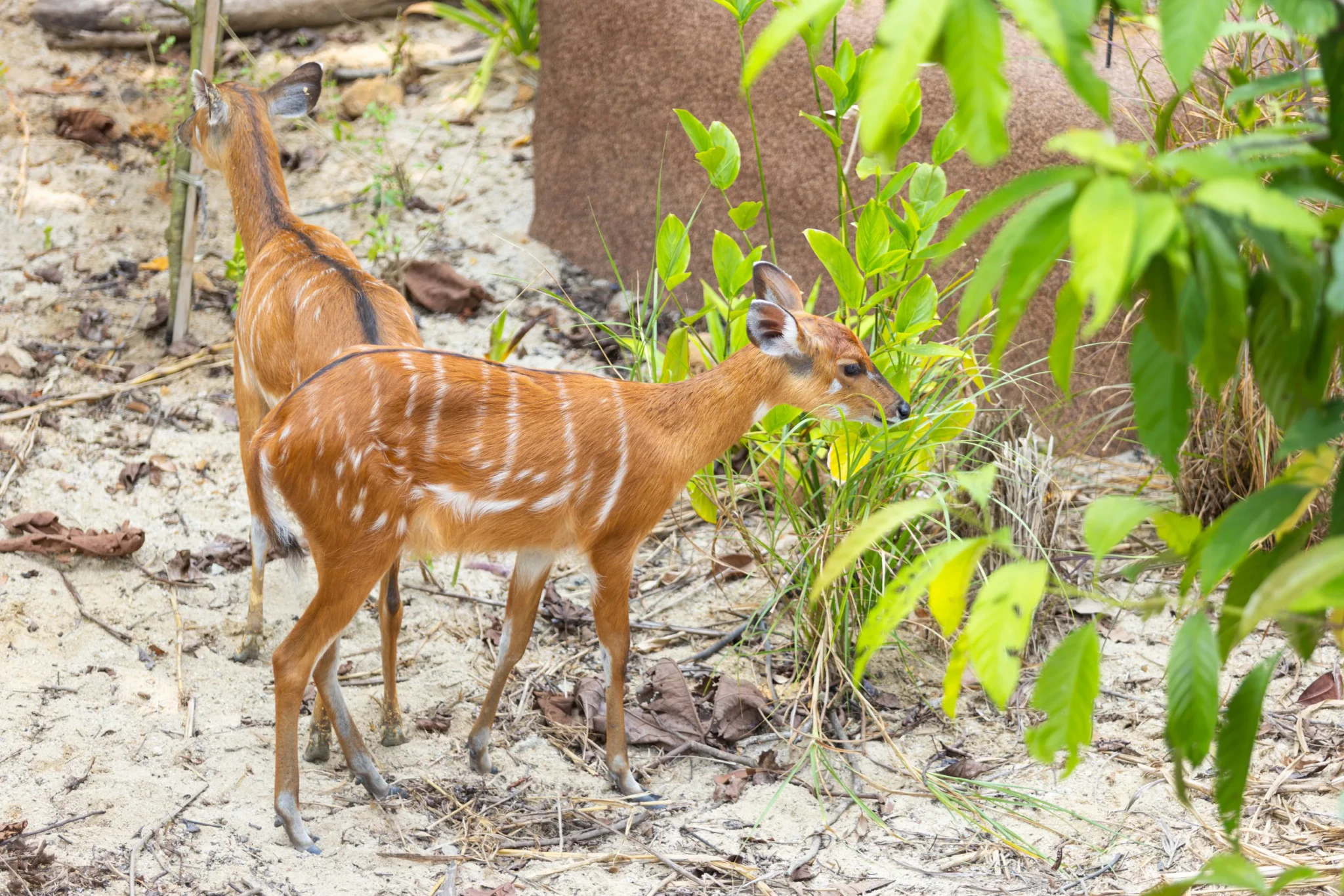
The calf isn’t the only newcomer at Rainforest Wild Adventure East. The sitatunga is a swamp-dwelling antelope that Mandai lists among species new to Singapore, and it has moved into Red Ravine. You can recognise it by its chestnut coat, faint vertical white stripes and the horizontal white stripe along its lower side.
Over at Lemur Land, the Madagascan-themed habitat, Mandai said the crowned lemur and red-bellied lemur were expected to debut by November. That would bring the number of lemur species there to four. If you want the full line-up, a November visit makes a strong case, but check that the debut has happened before you go.
🗓️ Date: Okapi Ranger Talk runs daily
⏰ Time: 10.30am and 3pm
📍 Location: Hidden Forest, Rainforest Wild Adventure East, Mandai Wildlife Reserve
📺 Baby monitor: Live feed from the off-exhibit den, for when the calf stays out of sight
🎟️ WildPass local rates: From S$25 (seniors), S$32 (children aged three to 12 and local students aged 25 and below), S$45 (adults)
🍰 Okapi cake: From October at Rangers Pitstop, Rangers Retreat and Owa Bistro at Mandai Wildlife East
🧸 Souvenirs: Okapi soft toys, tumblers and lanyards at the Rainforest Wild Adventure East retail shop
The calf won’t pose on cue, and that’s part of the charm. An okapi that hides is doing what his species does to stay safe from predators, so even a few seconds of him on the baby monitor shows you an endangered animal’s first months here in Singapore. Check ticket details and plan your visit on the Mandai Wildlife Reserve website, then go say hello to the region’s first okapi calf!
Photos and Visuals courtesy of Mandai Wildlife Group.
Read us first on Google: add DANAMIC as a preferred source and our stories show up more in your Top Stories and AI results.