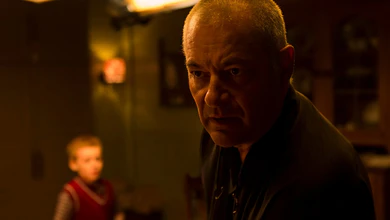
Blue Planet III premieres across Asia on Monday, 2 November 2026 at 8pm, with a new episode every Monday on BBC Earth and BBC Player. Sir David Attenborough narrates it in his centennial year, which makes Monday nights the best reason yet to stay in and watch a dolphin outthink its dinner.
The series is the third instalment of the BBC’s flagship ocean franchise. It runs to six episodes of 60 minutes each, and it is made by the BBC Studios Natural History Unit, the in-house team behind the Planet series.
25 Years Beneath the Waves
The original Blue Planet aired 25 years ago. BBC Studios says it was the first natural history series to give a full overview of the world’s oceans. Blue Planet II followed in 2017, and the BBC credits it with having “galvanised a global movement to rid our oceans of single-use plastic”. The new one took four and a half years, with more than 2,100 days of filming in over 37 countries and more than 176 species on screen.
The new series is meant to examine new and emerging pressures on marine life, alongside what the BBC calls “powerful stories of hope and recovery”.
Attenborough recorded a message for the global premiere:
“Twenty-five years ago, when I narrated the first Blue Planet series it didn’t occur to me that I would be narrating a third series in my centennial year. The ocean is an endlessly fascinating place. In these new programmes we uncover a further wonderful array of under-water life, which is more surprising, more sophisticated and even more important than we ever realised. I am proud and delighted to be associated with Blue Planet III.”
Episode 1 producer Yoland Bosiger, who started out as the series researcher on Blue Planet II, says that for people who grew up on the earlier series, hearing his voice again “will bring that real sense of familiarity, continuity”.
Sponges, Shrimp and a Starfish
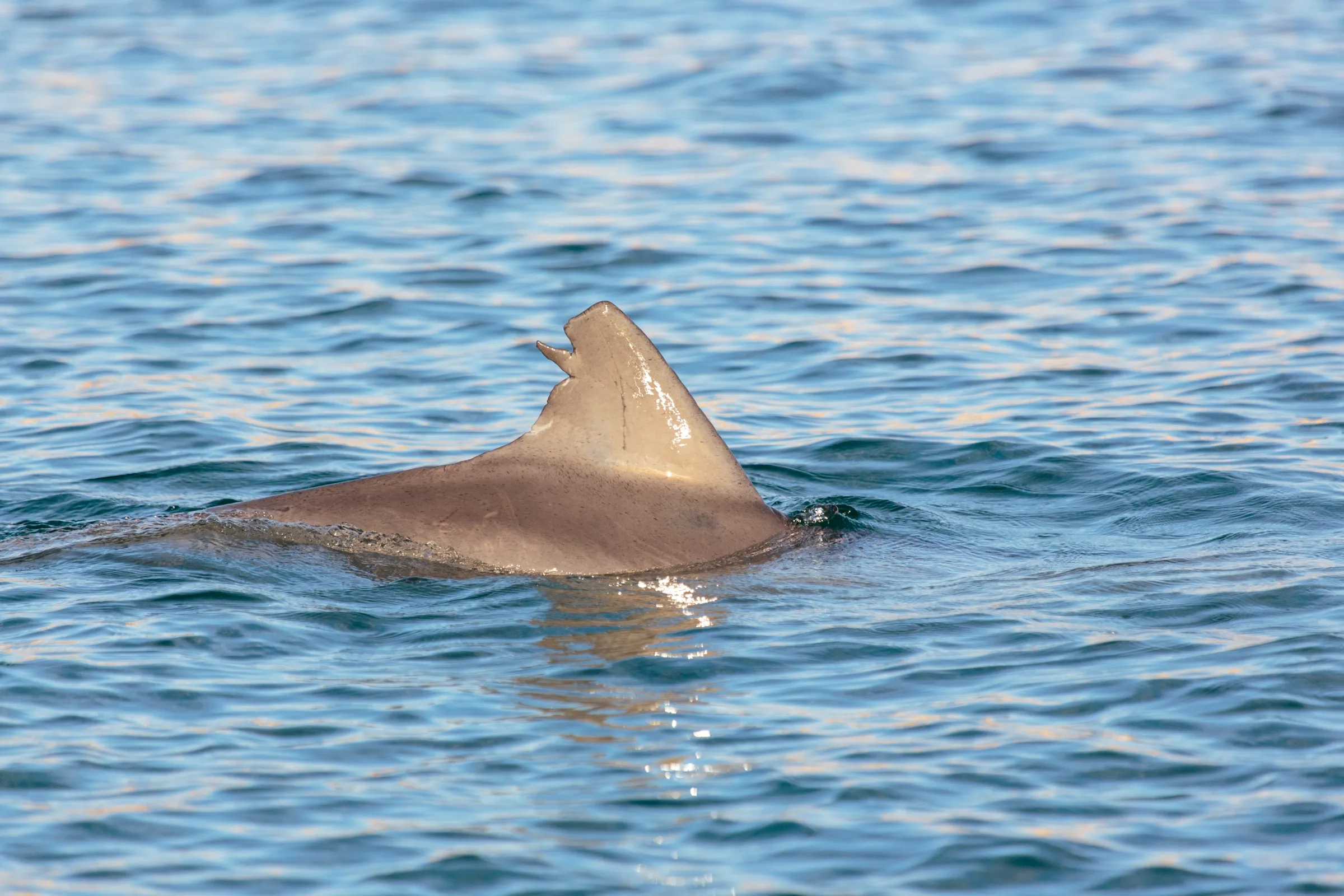
Episode 1 is the one to make time for. The BBC team in Asia, who have seen it, call it “a real emotional rollercoaster”. Its big moment comes from Shark Bay in Western Australia, where dolphins carrying sea sponges on their beaks have been a 40-year mystery. Working with dolphin scientist Dr Simon Allen, the crew followed a female bottlenose dolphin named Gambarra, a Malgana word meaning “clever”, and filmed her using a sponge to block the holes in the reef where fish hide. “Although dolphins carrying sponges has been observed before, the hunting technique itself had never been witnessed let alone filmed,” says Bosiger, adding that the findings are being prepared for scientific publication.
The same episode goes after dark in Tulamben, Bali, for a fight between a harlequin shrimp and a starfish, which the BBC team calls “painful yet slightly comical”. Harlequin shrimp grow to just 5cm but can flip starfish almost 20 times their size, and the episode catches a starfish deliberately shedding one of its own arms to get away.
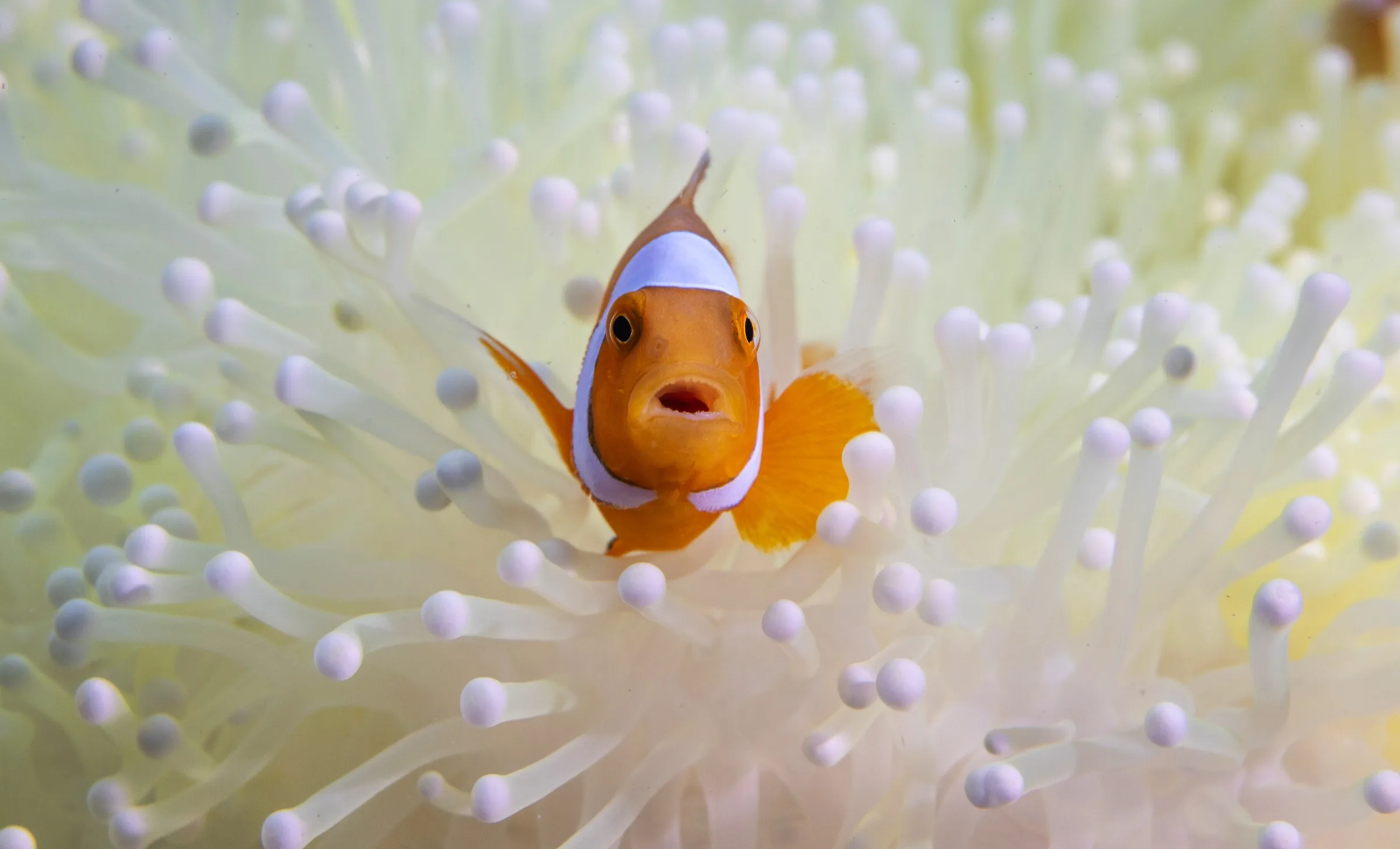
The episode also has a harder side. In Kimbe Bay, Papua New Guinea, a clownfish family tries to hold on to its home as a marine heatwave bleaches the anemone around it.
The team worked with a new generation of camera kit: splash drones, long-term remote underwater cameras, and a “mini dome”. For Gambarra, the team built Stonefish, a remote camera that records 4K continuously for 24 hours underwater without an external power source, and spent five weeks earning her trust.
Five Seas, Then the Future
The first five episodes each take on one of the planet’s key underwater habitats:
- Tropical Seas
- Seasonal Seas
- Polar Seas
- High Seas
- Deep Seas
The sixth and final episode turns to the future of the oceans and what must be done to protect them. Bosiger’s hope for the series is simple: “I’d love for the series to turn people’s wonder for the ocean into determination to protect it.”
Hans Zimmer and JADE on Sound
The music has serious credentials. The original score comes from double Oscar winner Hans Zimmer and the Emmy and BAFTA-winning Bleeding Fingers Music team. The series and its extended trailer carry an original song, “Into The Deep (Seas Cry)”. It was written by BRIT Award winner and Mercury Prize nominee JADE, formerly of Little Mix, together with Thom Lukas of Bleeding Fingers Music.
According to the BBC, that trailer and a preview clip of Attenborough recording his narration have each picked up millions of views across social media.
How to Watch in Singapore
New episodes air every Monday at 8pm from 2 November. The BBC says the series is exclusive to BBC Earth and BBC Player in the region. BBC Earth is on StarHub channel 407 and Singtel channel 203, so pay-TV subscribers can check their package before the premiere. BBC Player is the option for anyone who would rather stream.
🗓️ Date: Every Monday from Monday, 2 November 2026
⏰ Time: 8pm
📍 Where to Watch: BBC Earth (StarHub channel 407, Singtel channel 203) and BBC Player
📺 Format: Six episodes, 60 minutes each
🌊 Episode 1 Highlights: Bottlenose dolphins hunting with sea sponges, and a harlequin shrimp taking on a starfish in Indonesia
🎵 Soundtrack: Score by Hans Zimmer and Bleeding Fingers Music, plus “Into The Deep (Seas Cry)” by JADE and Thom Lukas
Twenty-five years after the first series changed how people see the ocean, Blue Planet III brings back the narrator who started it. The first episode promises tool-using dolphins and a shrimp brawl, and the finale asks what it will take to protect the seas. Make sure BBC Earth is in your StarHub or Singtel package, or get BBC Player ready, and keep Monday, 2 November at 8pm clear for the premiere!
Read us first on Google: add DANAMIC as a preferred source and our stories show up more in your Top Stories and AI results.