Most fitness bands die the same way: the battery fades, the strap still looks fine, and the whole thing ends up in a drawer. The Google Fitbit Edge is priced at S$249 and is scheduled to reach Metapod, Best Denki, FairPrice and Harvey Norman from 27 October 2026, with pre-orders open now at Metapod, Best Denki, Shopee and Lazada. It tries to break the drawer cycle with a replaceable battery and health tracking that looks at months of data instead of a single reading.
Google calls the Edge its first repairable fitness tracker, and the company’s own paperwork for older models backs that up. Its safety guide for the Fitbit Charge 6, the tracker the Edge effectively succeeds, lists the battery as non-replaceable and tells owners not to repair it themselves. If you have ever watched a two-year-old band struggle to last half a day, that alone makes the Edge worth a closer look.
A Battery You Don’t Have to Bin
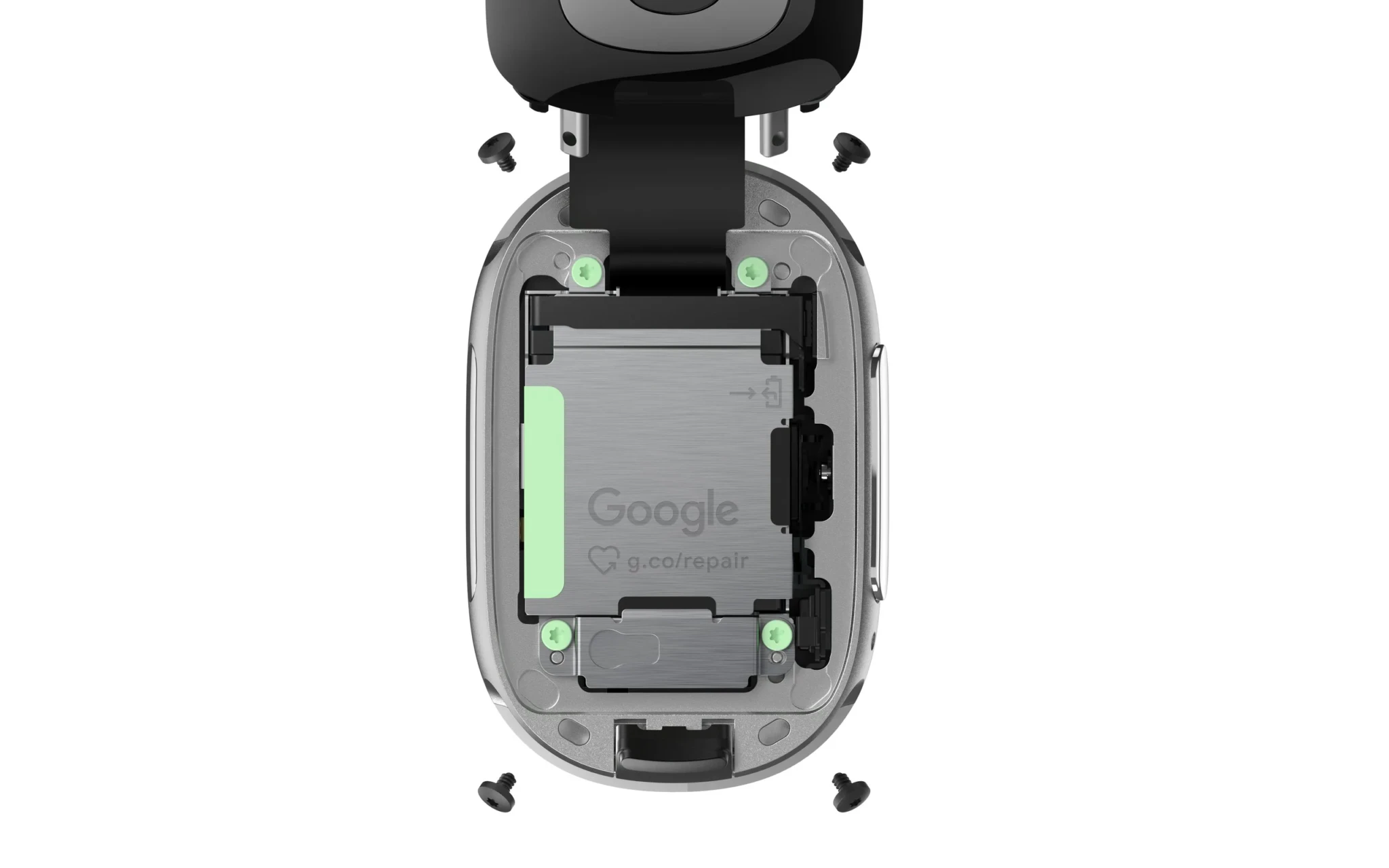
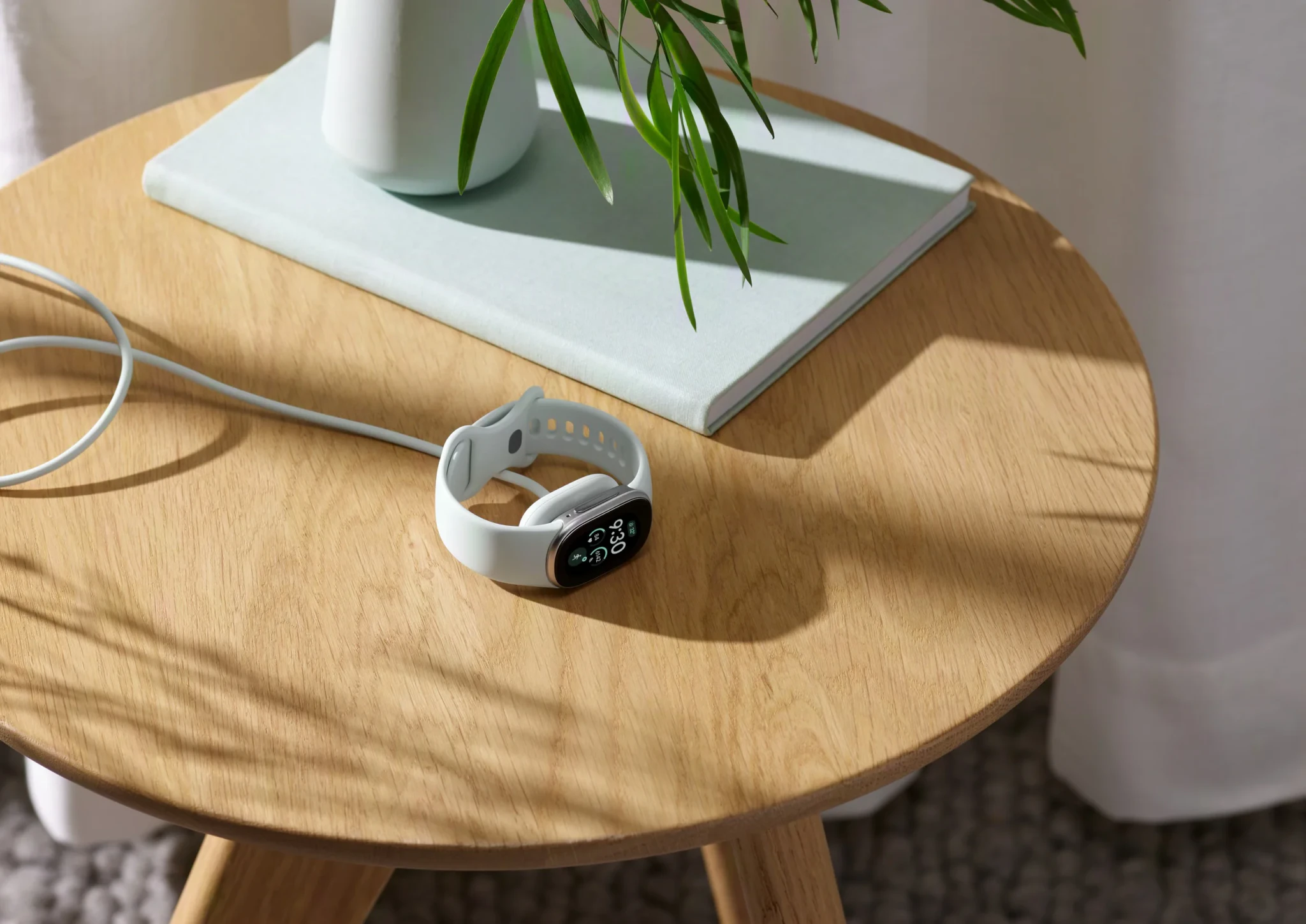
Google says the Edge uses a modular internal design, so the 65mAh battery can be replaced without scrapping the rest of the tracker. It rates the battery at up to seven days per charge. That figure comes from Google’s own testing on pre-production units in California with Battery Saver defaults, and heavy GPS use will drain it faster, as it does on any tracker.
Charging is quick. Google quotes about 90 minutes for a full charge, and five minutes on the cable for up to a day of use when you’re running low. Those times were measured with a 30W adaptor, which is sold separately.
Hold off on planning a DIY repair weekend, though. Google’s fine print says repair options vary by region, and it does not recommend self-repair unless an adult with the right technical skills does the work. It warns that repair or disassembly can weaken the tracker’s 5 ATM (atmospheres) water rating and its IP68 dust and water rating. In practice, “replaceable” may well mean a trip to a service centre, which still beats buying a whole new device.
Health Trends, Not Snapshots
The headline health tool is Health Guardian, which Google says tracks subtle changes over time. It covers monthly blood pressure trends, monthly insulin resistance trends, and alerts for high and low heart rates. Eligible Google Health Premium subscribers who meet monthly wear requirements can get reports designed to make conversations with their doctors more informed.
The limits matter, because Google labels these trends as general wellness information: they are not a pre-screener for hypertension or diabetes, they do not give real-time clinical readings, and Google says they should never guide medication changes. The value is in spotting a slow drift over several months, which could be a good reason to book a check-up. It is not a replacement for one.
The rest of the health kit includes 24/7 heart rate, sleep stage tracking, skin temperature, an ECG (electrocardiogram) app, AFib (atrial fibrillation) detection, and SpO2 (blood oxygen) sensing. Google notes that some of these are available only in certain countries, and the sources we hold do not confirm which of the ECG, AFib and SpO2 features are enabled in Singapore. It also says the ECG app is not intended for people under 22 and that some insights need a Premium membership. Each Edge comes with three months of Google Health Premium. Alongside the tracker, Google is rolling out more than 55 updates and fixes to the Google Health app and its Health Coach.
GPS That Leaves Your Phone Behind
Built-in GPS is the upgrade runners will feel first. The Edge connects to GPS, Galileo, GLONASS, BeiDou, and QZSS satellites, so you can map a route along the Kallang River without carrying your phone. Google claims its GPS accuracy is up to 40% better than the Charge 6’s. That’s the company’s own figure, so treat it as a promise until independent testing confirms it.

On your wrist, you get heart rate zones, pace, and split times in real time, plus cardio load, readiness, and VO2 Max scores. Google’s global launch material mentions more than 50 exercise modes and up to 100 auto-detected workouts. The Singapore spec sheet lists 40-plus for both, so treat that as the local baseline.
Automatic detection is the most practical part for anyone who regularly forgets to press start before a run. It won’t help with your pace, but at least your effort gets recorded.
Small, Light, and Easy to Restyle
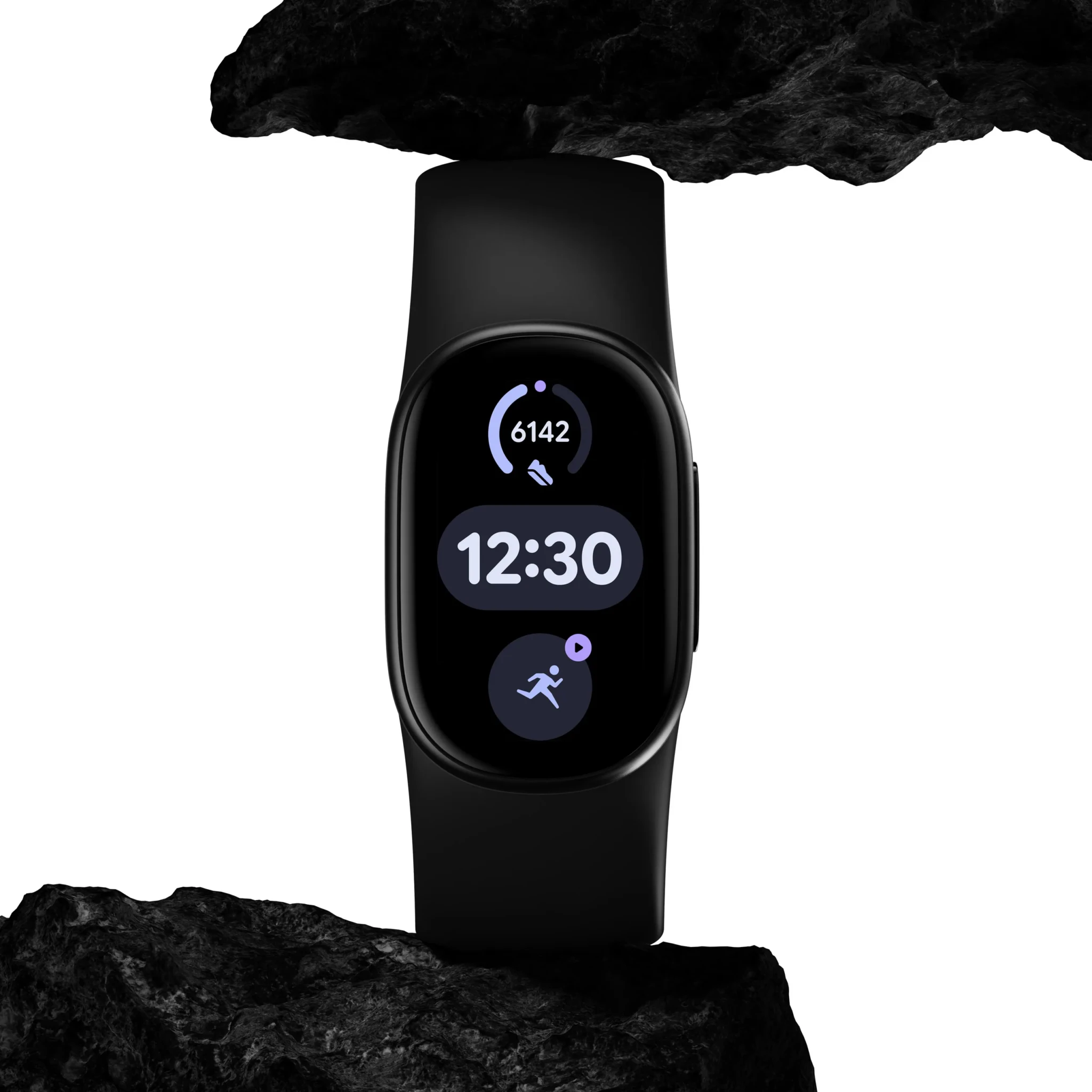
According to Google’s spec sheet, the tracker measures 39.22 x 25.56mm, is 11.58mm thick, and weighs 17.7g without a band. The screen is a 1.34-inch always-on AMOLED (active-matrix organic light-emitting diode) display. Google says it is about 45% larger and more than 40% brighter than the Charge 6’s screen.
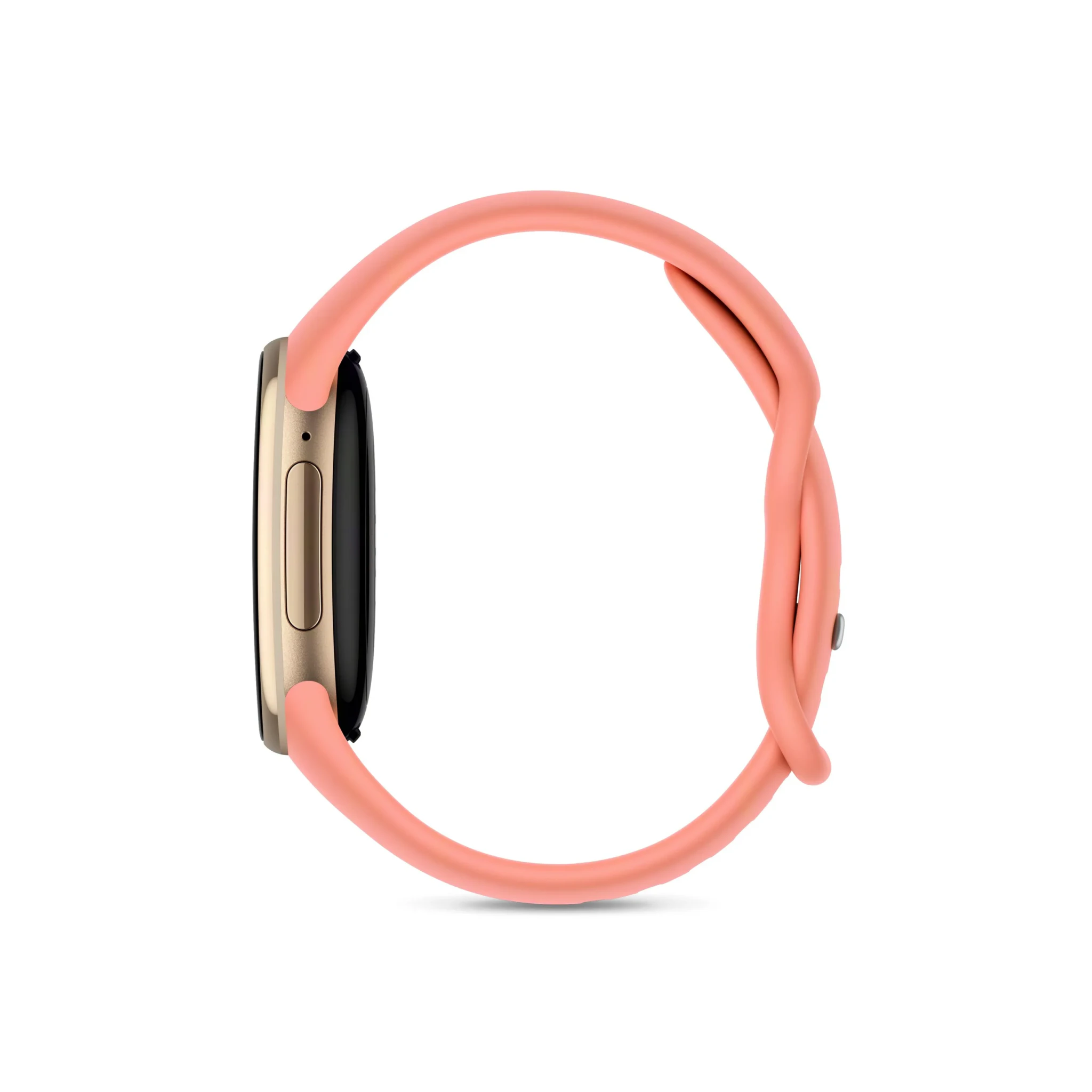
The Edge comes in four finishes: Matte Black with Obsidian, Polished Silver with Fog, Satin Pyrite with Olive, and Champagne Gold with Canyon. The Champagne Gold version is the boldest of the four and the one most likely to pass for jewellery.
Google says the housing is made from 100% recycled aluminium. The battery cell uses recycled cobalt and, for the first time, recycled lithium. The packaging is plastic-free, apart from some retailer stickers and security tags.
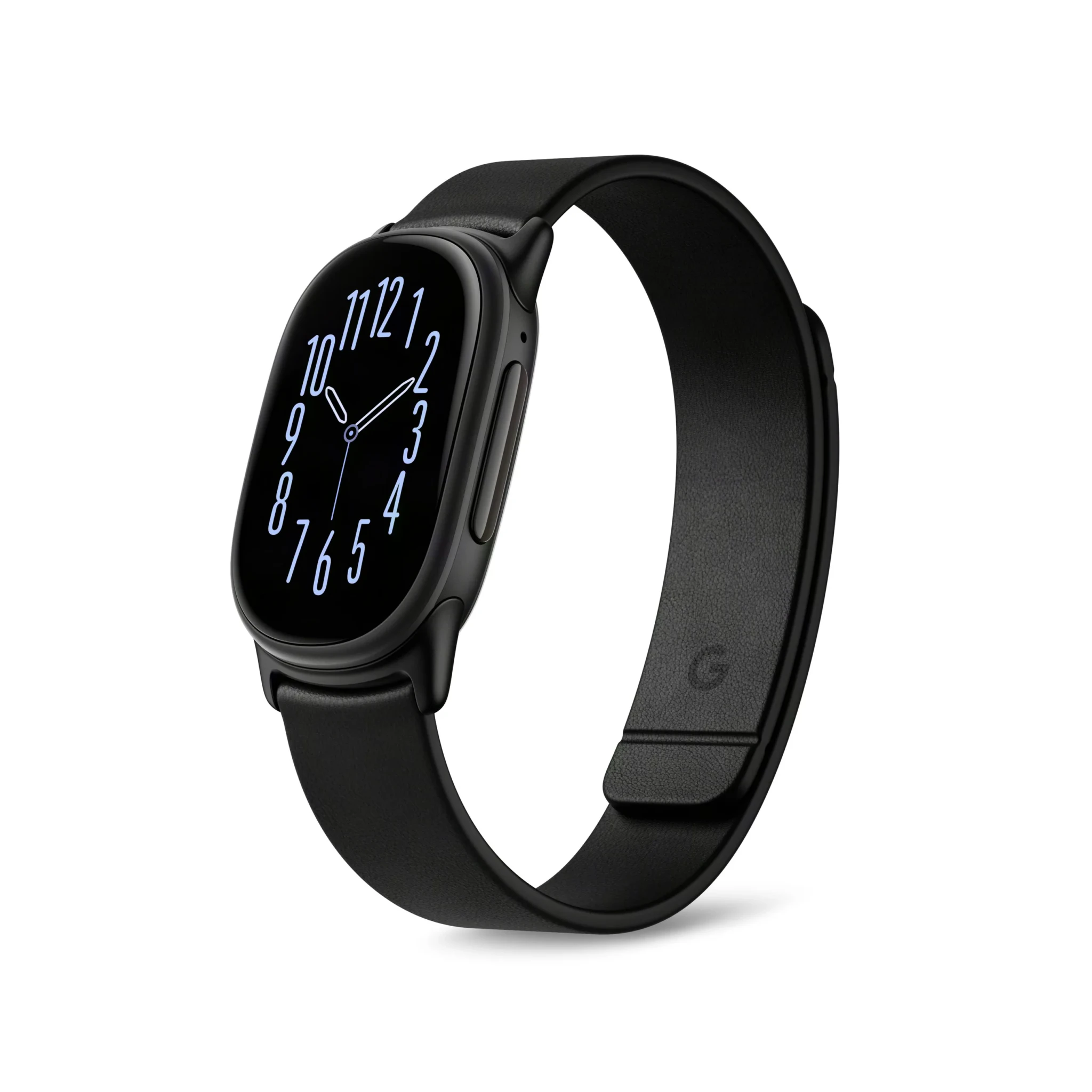
The box includes both small and large Active Bands, which fit wrists from 130mm to 210mm around. Bands are interchangeable for anyone who wants a dressier look.
The Edge works with iPhones running iOS 16.4 or later and Android 11 or later through the Google Health app. That makes it a rare Google wearable that doesn’t care which phone you use.
Where It Falls Short
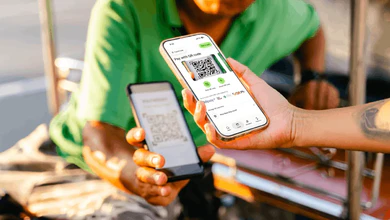
There’s no NFC (near-field communication), which means no tap-to-pay. If you rely on your wrist at MRT gantries or the hawker centre, that’s a real gap at this price. The Edge runs Fitbit’s own simpler software instead of Wear OS, so there’s no app store either.
How S$249 Stacks Up
Next to the Charge 6, the Edge asks you to pay for a bigger screen, the repairable battery, and the new trend features. Whoop 5.0 is screenless, relies on your phone for GPS, and is sold mainly on subscription. Samsung’s Galaxy Fit3 and Garmin’s Vivosmart 5 don’t have built-in GPS.
The verdict is simple. If you run without your phone, or your last band died of battery fatigue, the Edge is the most sensible tracker in Google’s line-up right now. If tap-to-pay matters more to you, look elsewhere.
Where to Get One
💰 Retail price: S$249, including three months of Google Health Premium
🛒 Pre-order: Metapod, Best Denki, Shopee, and Lazada
🗓️ On sale from: 27 October 2026 (Google’s planned date)
🏬 In-store and online: Metapod, Best Denki, FairPrice, and Harvey Norman
💻 Online only: Shopee and Lazada
🎨 Colours: Obsidian, Fog, Olive, and Canyon
🔗 Official details: Google’s Fitbit Edge announcement
A tracker that’s designed to have its battery replaced, rather than be thrown away, is a welcome change. The month-on-month health trends could be the most useful thing your wrist has ever told you. Read the full rundown on Google’s Fitbit Edge announcement and its Google Health app updates, and if the Edge fits how you train, pre-orders are open ahead of its 27 October arrival in stores.
Photos and Visuals courtesy of Google.
Read us first on Google: add DANAMIC as a preferred source and our stories show up more in your Top Stories and AI results.