Ísey Skyr, a thick Icelandic dairy cup built around protein, has been on Singapore shelves since 13 October 2026. For a limited time it costs S$5.80 (usual price S$6.15) at selected Cold Storage and CS Fresh outlets, and online through RedMart and PandaMart.
If your feed has been pushing protein pudding, protein chips and protein everything lately, this one has a better story than most. The 170g cup in the Cold Storage chiller comes from a recipe more than 1,100 years old.
The cups come through Ísey Asia Limited, the Hong Kong-based brand representative for Ísey Skyr across Hong Kong, Greater China and Singapore. The brand calls this its official Singapore debut and its expansion beyond Hong Kong into Southeast Asia. You might want it to refuel after a gym session, or you might want a desk snack that won’t leave you crashing by 4pm. Either way, the question is simple: does a food this old earn its premium over the Greek yoghurt already sitting in the chiller?
Protein Before It Was a Trend
Skyr (say it “skeer”) arrived with the Norse settlers who made Iceland home in the ninth century, carrying a dairy technique over from Norway. Ísey puts its age at more than 1,100 years, which lines up neatly with that settlement period.

Back then, people ate it for practical reasons. Iceland had long winters, little fresh produce and no refrigeration. A dense, protein-rich food made by concentrating milk was a sensible thing to keep around. The brand describes skyr as an important source of nourishment through those harsh winters, with the recipe passed from mothers to daughters for generations. It remains a household staple in Iceland today.
That history explains what you get when you peel the lid off a cup from CS Fresh or a RedMart order. Gym culture has rediscovered what Icelandic farm households worked out by necessity: strain the liquid out of milk and you’re left with something filling, portable and packed with protein. That is the same job a post-workout shake does for you today.
Closer to Cheese Than Yoghurt
Here’s the nerdy bit that changes how you see the cup. Traditional skyr is technically closer to a fresh, acid-set cheese than to yoghurt. Makers heated skimmed milk, cooled it, and seeded it with culture saved from an earlier batch, often adding a little rennet. They left it to ferment, then drained it through cloth until it turned thick.
Modern production swaps the cloth for machines, and that’s where the word on the label starts to matter. Icelander Siggi Hilmarsson helped take skyr mainstream in the US when he founded Siggi’s Dairy in New York in 2004. Today, European supermarkets carry skyr-style products made well outside Iceland, including Arla’s skyr, which is made in Denmark. The European Union hasn’t given “skyr” protected-name status the way it has with Champagne, so the word alone won’t tell you where your cup was made.
How Ísey Makes It Today
Ísey’s whole pitch rests on provenance. The brand says every cup uses original Icelandic skyr cultures supplied by MS Iceland Dairies, Iceland’s leading dairy cooperative of around 600 family-run farms. It adds that the product was developed in Iceland.
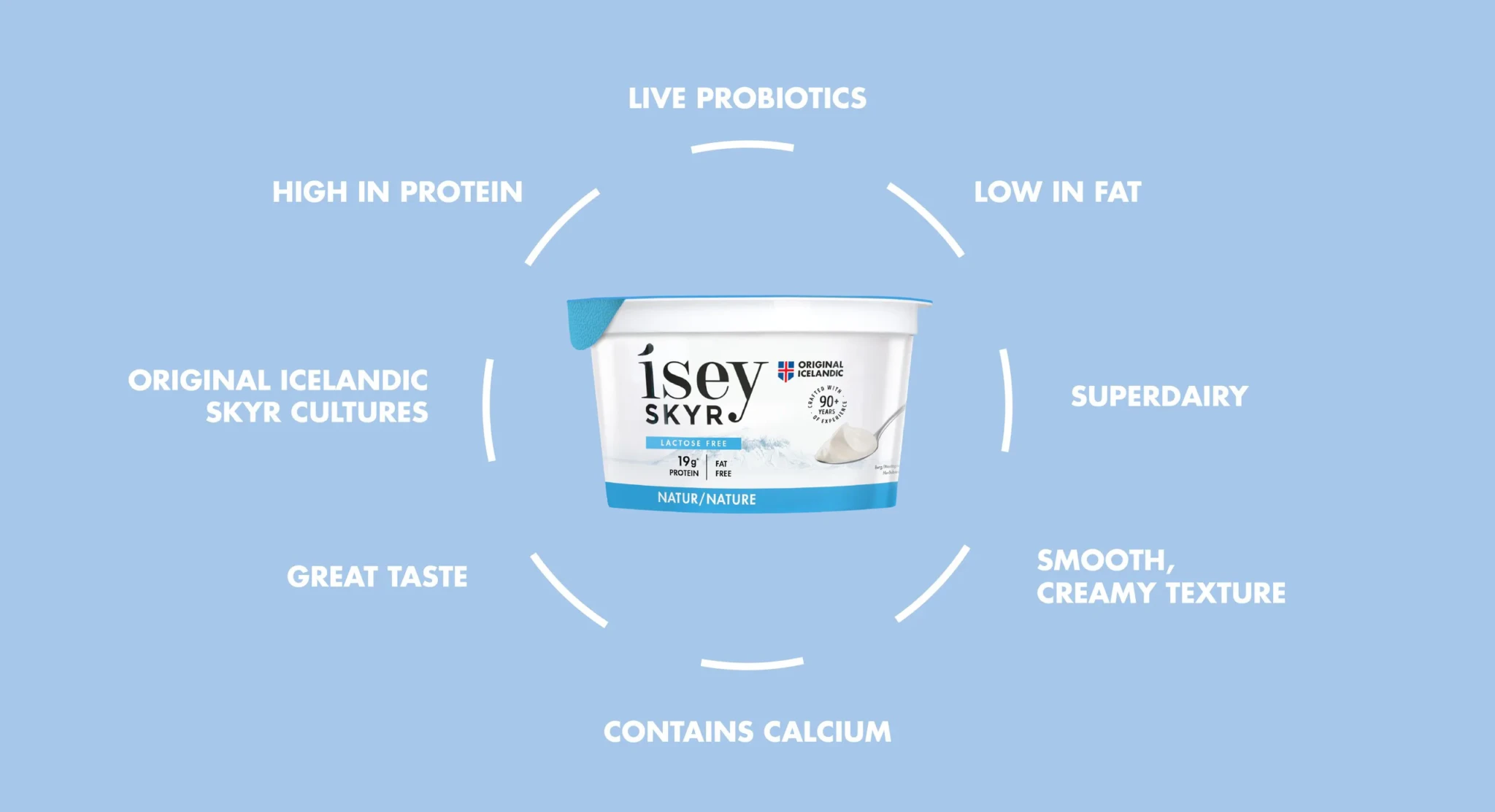
The process starts with skimmed milk, which is heated before the cultures go in for incubation and fermentation. Ultrafiltration then keeps the whey proteins in the skyr instead of draining them off. Ísey credits this step for the smooth texture even without any fat.
The range is labelled naturally fat-free, low in carbohydrates, lactose-free and rich in live probiotics, with calcium and vitamins on top. If you’re lactose-sensitive, read the nutrition panel before trusting the front of the pack, since tolerance varies from person to person.
Illugi Gunnarsson, Head of Strategy and New Markets at Isey Export in Iceland, frames the launch around a local habit. “As Singaporeans become more conscious of healthy living, protein intake and long-term wellbeing, we see an opportunity to offer a convenient, protein-rich option that fits into their lifestyles,” he said in the brand’s 13 October 2026 release. He pointed to growing interest in healthspan, which he described as living longer and healthier.
If you’d like to see the people behind it explain the process, Ísey’s head of research and development (R&D), Björn S. Gunnarsson, sits down for the brand’s original interview, which you can watch on YouTube.
Five Flavours, Two Worth Grabbing
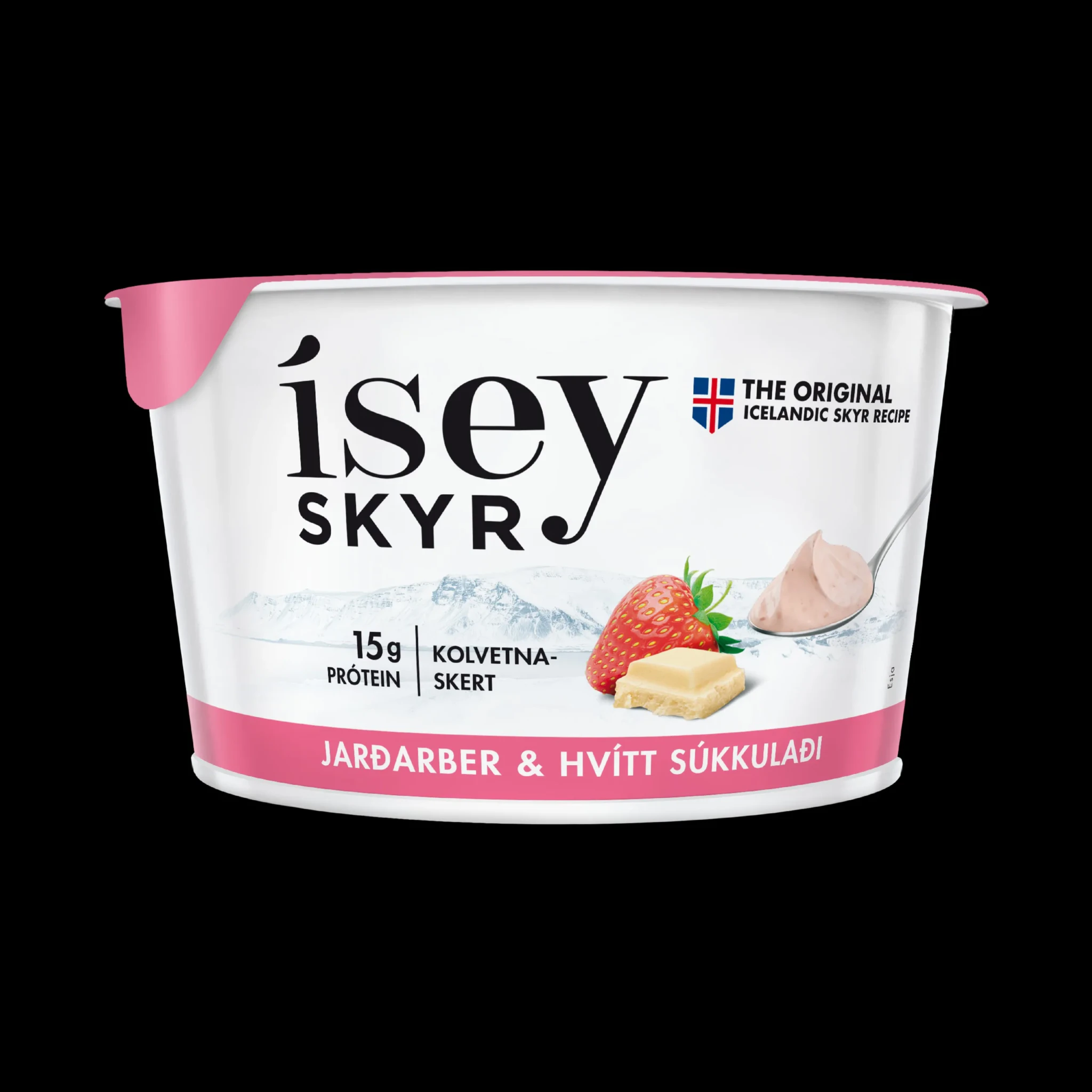
The launch line-up has five flavours, all in 170g cups: Natural, Vanilla, Strawberry & White Chocolate, Crème Brûlée and Blueberry & Raspberry.
If protein is the reason you’re here, Natural is the obvious pick. It carries 19g of protein per cup, the highest in the range, and the brand says it has no added flavouring or sugar. Expect a gentle tang rather than dessert. That makes it the most versatile cup of the five. You can stir it into overnight oats or eat it straight after a run.
For the sweet tooth, Crème Brûlée is the one with the trophy cabinet. Ísey says it has consistently won top honours at the International Food Contest in Herning, Denmark, where it was recognised as the best fresh dairy product in the Nordic countries. The brand lists the wins on its Herning awards page.
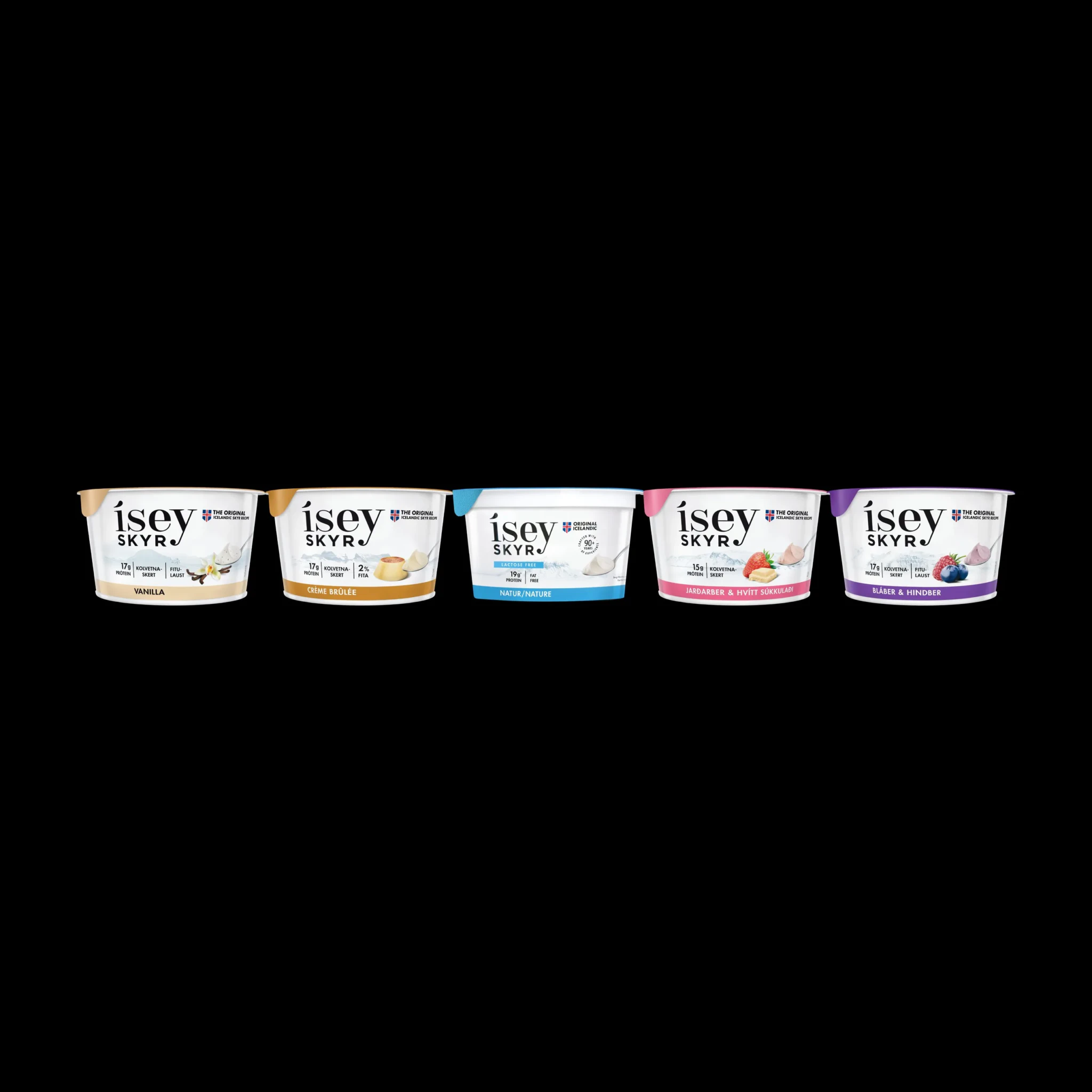
The fruit and vanilla cups are friendlier starting points if plain skyr’s sourness sounds intimidating, and Blueberry & Raspberry has real berries in each cup. Flavoured skyr is where sugar sneaks back in, though, so check the label before you file it under health food.
Does the Maths Work?
At the introductory S$5.80, the Natural cup carries 19g of protein. At the introductory S$5.80, the Natural cup works out to roughly S$0.31 per gram of protein (S$5.80 ÷ 19g ≈ S$0.305). That rises to about S$0.32 once the usual S$6.15 price returns (S$6.15 ÷ 19g ≈ S$0.324).
Chobani lists 14g of protein per serving for its plain fat-free yoghurt, so Ísey’s Natural cup carries five extra grams of protein. At its usual S$6.15, Ísey sits in premium territory. It makes the most sense as a swap for a protein bar or a bottled shake rather than as an everyday yoghurt.
Skyr Beyond the Spoon
Ísey’s own recipe suggestions push the cup well past breakfast. You can browse more ideas on the Ísey Skyr Singapore website and its TikTok channel.
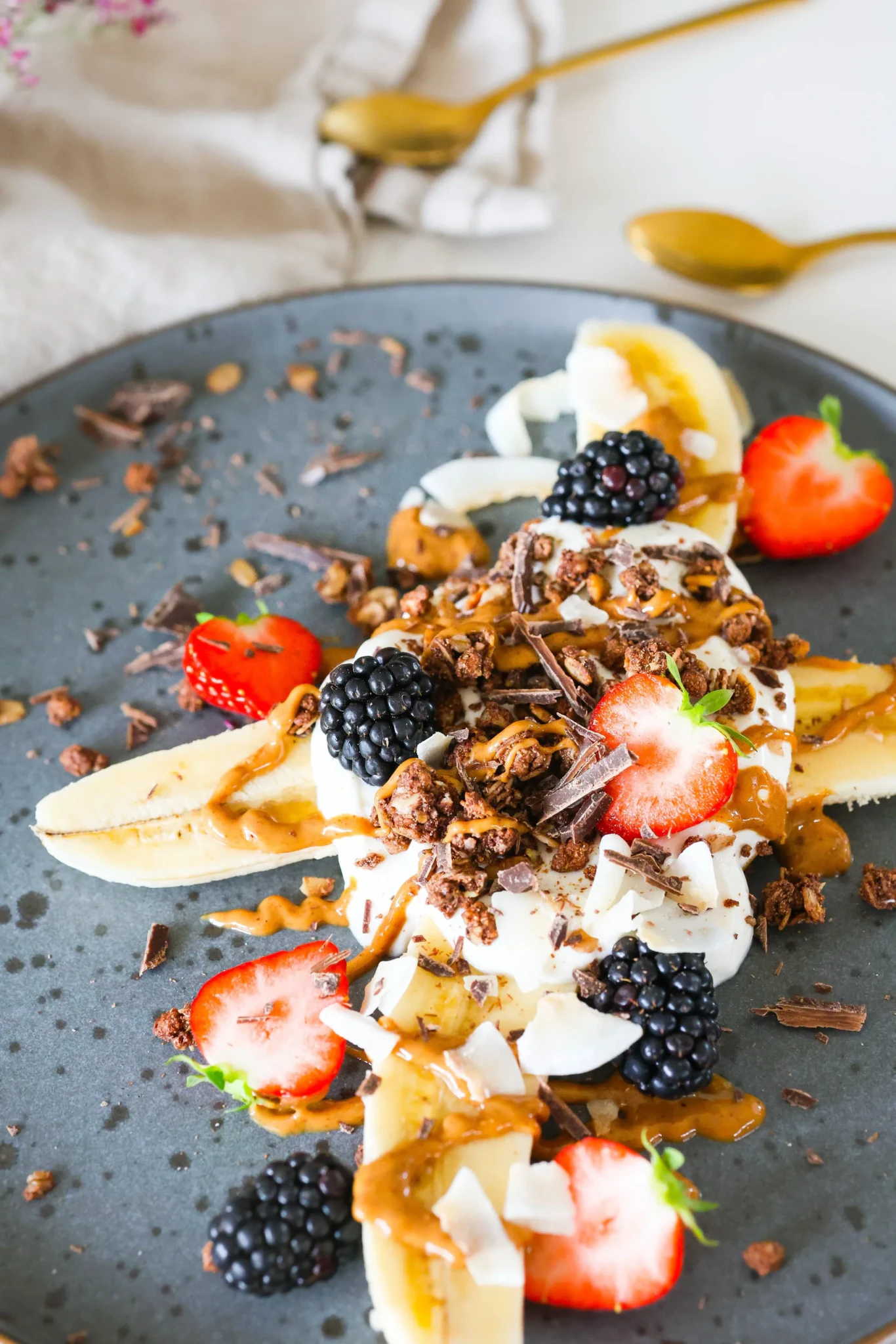
The Breakfast Banana Split tops halved bananas with Vanilla skyr, granola, peanut butter, berries and dark chocolate. For the Frozen Snickers Sticks, you blend Vanilla skyr with peanut butter and syrup, freeze the mix, then dip it in melted dark chocolate. Both feel like cheat-day food with a protein alibi!
Meal-preppers will like the Chocolate Chia Breakfast Pudding. It sets in the fridge overnight and layers granola, chia, raspberries and two cups of Natural skyr into four servings.
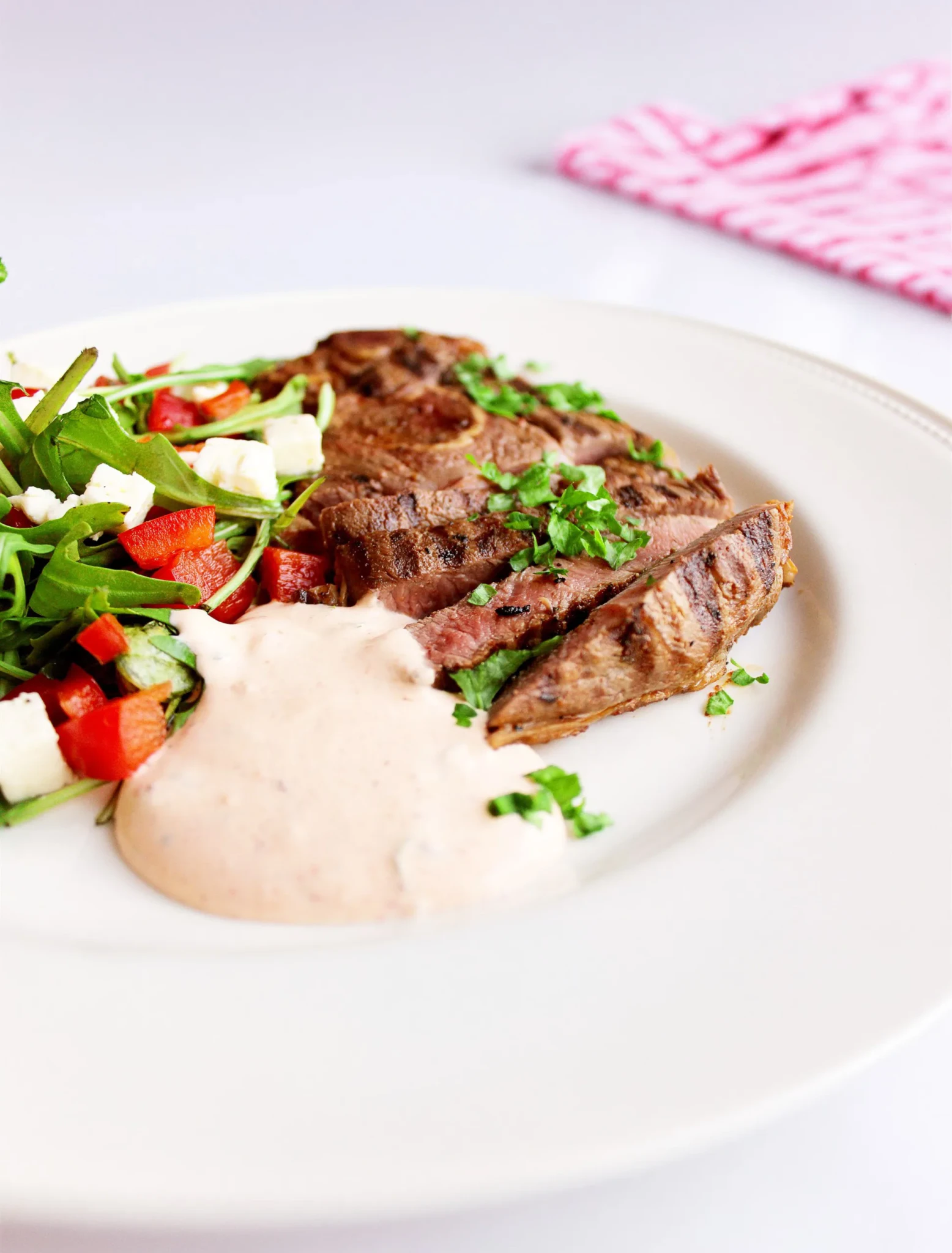
On the savoury side, Natural skyr becomes a chilli dipping sauce with mayonnaise, paprika and olive oil, served with grilled lamb. Its tang does the same job sour cream would, with considerably more protein.
Where to Find It
Ísey plans to widen its reach from 19 October 2026, adding FairPrice Xtra, FairPrice Finest and key selected Sheng Siong stores to its current retailers.
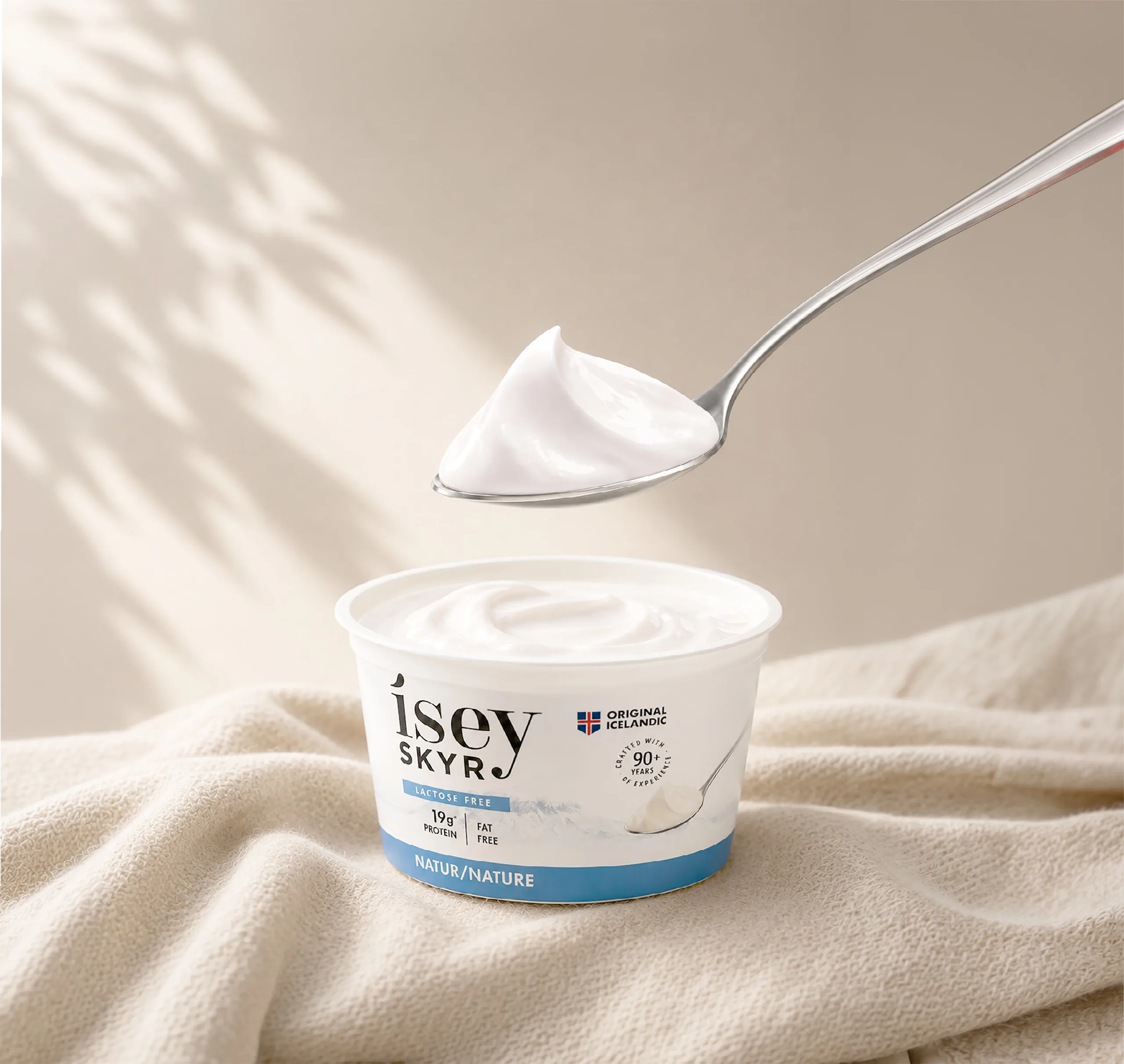
💰 Price: S$5.80 introductory price for a limited time (usual price S$6.15)
🥄 Range: Natural, Vanilla, Strawberry & White Chocolate, Crème Brûlée, and Blueberry & Raspberry (170g each)
🛒 Available now: Selected Cold Storage and CS Fresh outlets, RedMart and PandaMart
📅 From 19 October 2026 (brand’s plan): FairPrice Xtra, FairPrice Finest and key selected Sheng Siong stores
If you’re keen to see whether the Natural cup can replace your post-gym shake, browse the full range on the Ísey Skyr Singapore website and follow @iseyskyrsg on TikTok for recipe ideas. Then grab a cup while the S$5.80 price lasts. Skyr’s long history makes a stronger case for it than any trending hashtag could. It’s a filling cup of strained milk that Icelanders relied on long before protein became a personality trait.
Photos and Visuals courtesy of Ísey Skyr.
Read us first on Google: add DANAMIC as a preferred source and our stories show up more in your Top Stories and AI results.