Caregiving Welfare Association (CWA), a Singapore non-profit that supports seniors and the people looking after them, released the final findings of its 2026 Caregiver Experience Survey on 1 October 2026. The number that stands out is 91.2%: that’s the share of respondents who said they had experienced or anticipate caregiver overwhelm. Most of those respondents are around your parents’ age, and most are looking after someone around your grandparents’ age.
That’s why this survey matters if you’re in your twenties or thirties. Your mum may spend her lunch break booking medical appointments. Your dad may have quietly become the one who sorts out Grandma’s week. Either way, there’s a decent chance they fit the profile, even if they’d never call themselves a caregiver.
Who Answered, and What They Said
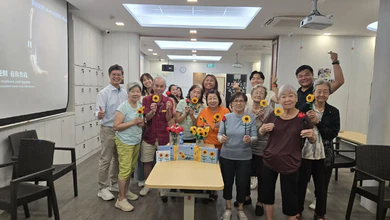
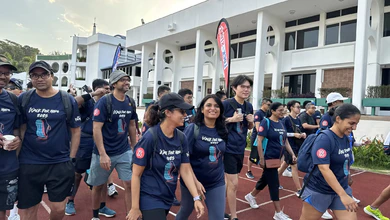
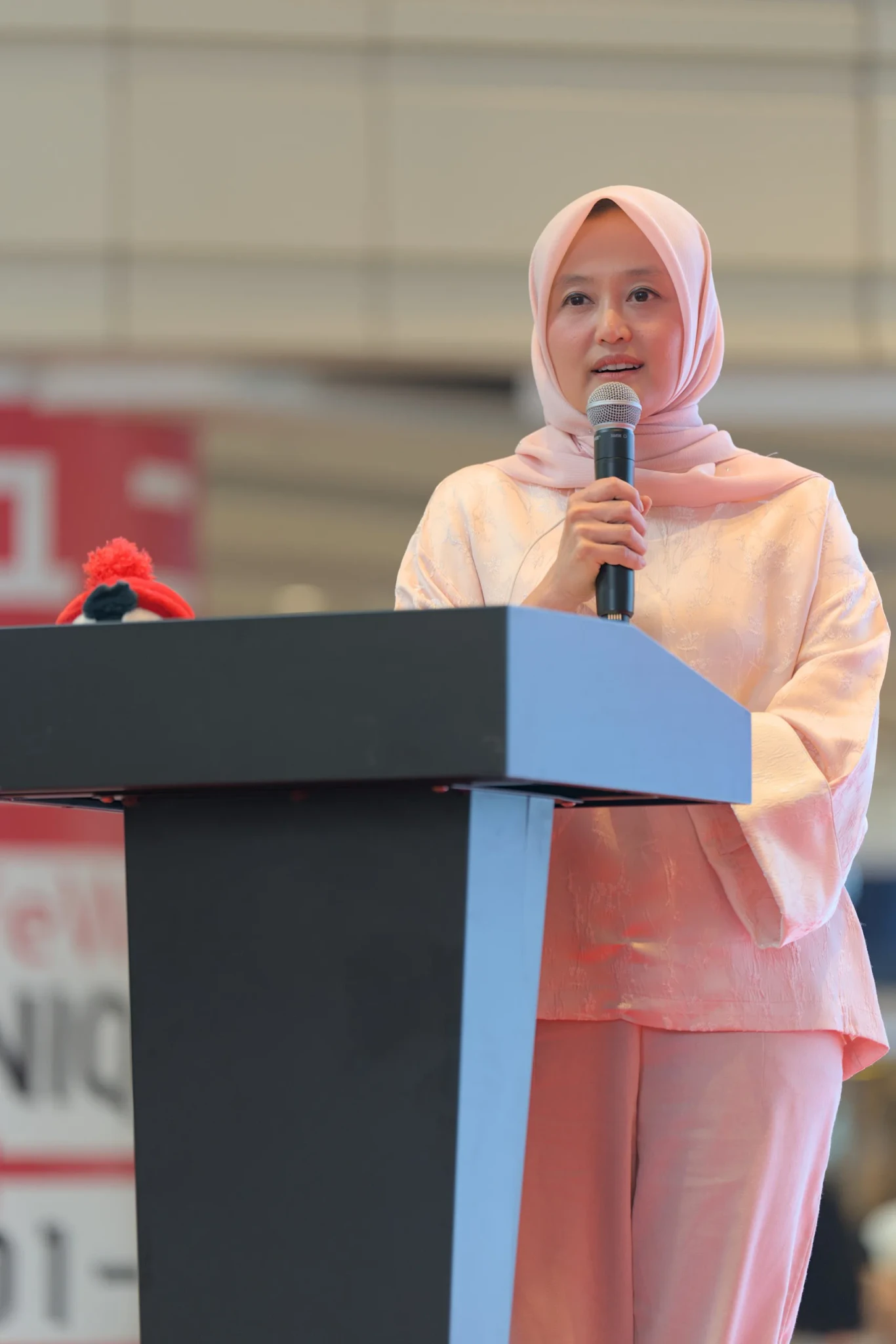
The findings came out after Caregiving Week 2026 wrapped up with Caregiving Fest on 19 September. According to CWA, the finale drew over 1,000 caregivers, seniors, families, community partners and members of the public. The Guest-of-Honour was Mdm Rahayu Mahzam, Minister of State for the Ministry of Digital Development and Information and the Ministry of Health.
CWA ran the survey from April to September 2026 as a self-administered questionnaire, and close to 200 family caregivers of seniors chose to take part. Because respondents opted in, CWA says the results reflect their own experiences and aren’t meant to represent every caregiver in Singapore. Who those respondents were tells a story of its own. 82.4% were women, the largest age group was 50 to 59 (36.8%), followed by 60 to 69 (24.7%), and 73.1% were caring for a parent, with 14.3% caring for a spouse.
Two findings deserve the most attention. The first is that 56.6% of respondents balance caregiving with a job, which means more than half are doing the medical runs and the paperwork around full working hours. The second is that 44.0% rated their own wellbeing as fair or poor. Put those side by side and the overwhelm figure stops looking surprising.
Another 57.1% said they were managing but found their responsibilities demanding. Then there’s the stat a digital-native generation should notice: 53.8% don’t use technology or digital tools for caregiving at all. For people who book everything else on an app, that gap is striking.
The Caregivers Who Don’t Call Themselves That
CWA’s results sheet labels a group it calls “hidden caregivers”. These are the 20.9% who see caregiving simply as a family responsibility. Mdm Rahayu raised the same point at the Caregiving Week Public Finale. She noted that many people care for loved ones without seeing themselves as caregivers, which can make them less likely to recognise when they need support. “No caregiver should have to manage their caregiving journey alone,” she said.
In a written interview with DANAMIC, Mr Steven Yeo, Executive Director of CWA, explained how this plays out. For many Singapore families, he said, caring for an ageing parent is rooted in love and filial duty, so people take it on willingly and adjust their routines as care needs grow. Some feel guilty about seeking help. Others believe they should be able to manage on their own. As a result, he said, many don’t recognise they need support until it starts affecting their physical or emotional wellbeing.
“Caregiver overwhelm rarely happens overnight,” Mr Yeo said in CWA’s release. “It builds when someone is constantly juggling medical appointments, work, household responsibilities and the emotional weight of knowing another person depends on them.”
Breaks Before Breakdowns
Mr Yeo’s answer is planned respite, which means building regular breaks into a caregiving routine instead of waiting for an emergency. He suggested families arrange a few hours of help each week, or schedule extra care around work and personal commitments. Starting early has a second benefit, he said, because it gives seniors time to get comfortable with support from someone outside the family.
He was clear that respite isn’t only for people already struggling. Anyone giving ongoing care to a senior can benefit, even if they feel they’re coping fine. “Taking a break or asking someone else to step in should not be seen as stepping away from that responsibility,” he said.
Families can prepare in other ways too, according to Mr Yeo. He recommended a clear care plan that sets out who handles medical appointments, finances and daily care, along with a backup plan in case the main caregiver falls ill. Sharing the load, he said, doesn’t mean splitting every task equally. It means each person contributes according to their circumstances. He pointed to a Lasting Power of Attorney (LPA), a legal document that lets someone make decisions on a person’s behalf, and Advance Care Planning (ACP), which records a person’s future care preferences. Both work best while the senior can still take part in those decisions.
Where CWA Fits In
CWA’s own services are aimed at caregivers of seniors. Through CareJourney, caregivers get a free consultation to understand their needs and get connected to suitable support. That includes CWA’s free monthly Caregiver Support Groups, which Mr Yeo described as a safe space to share experiences, learn coping strategies and meet others in the same situation.
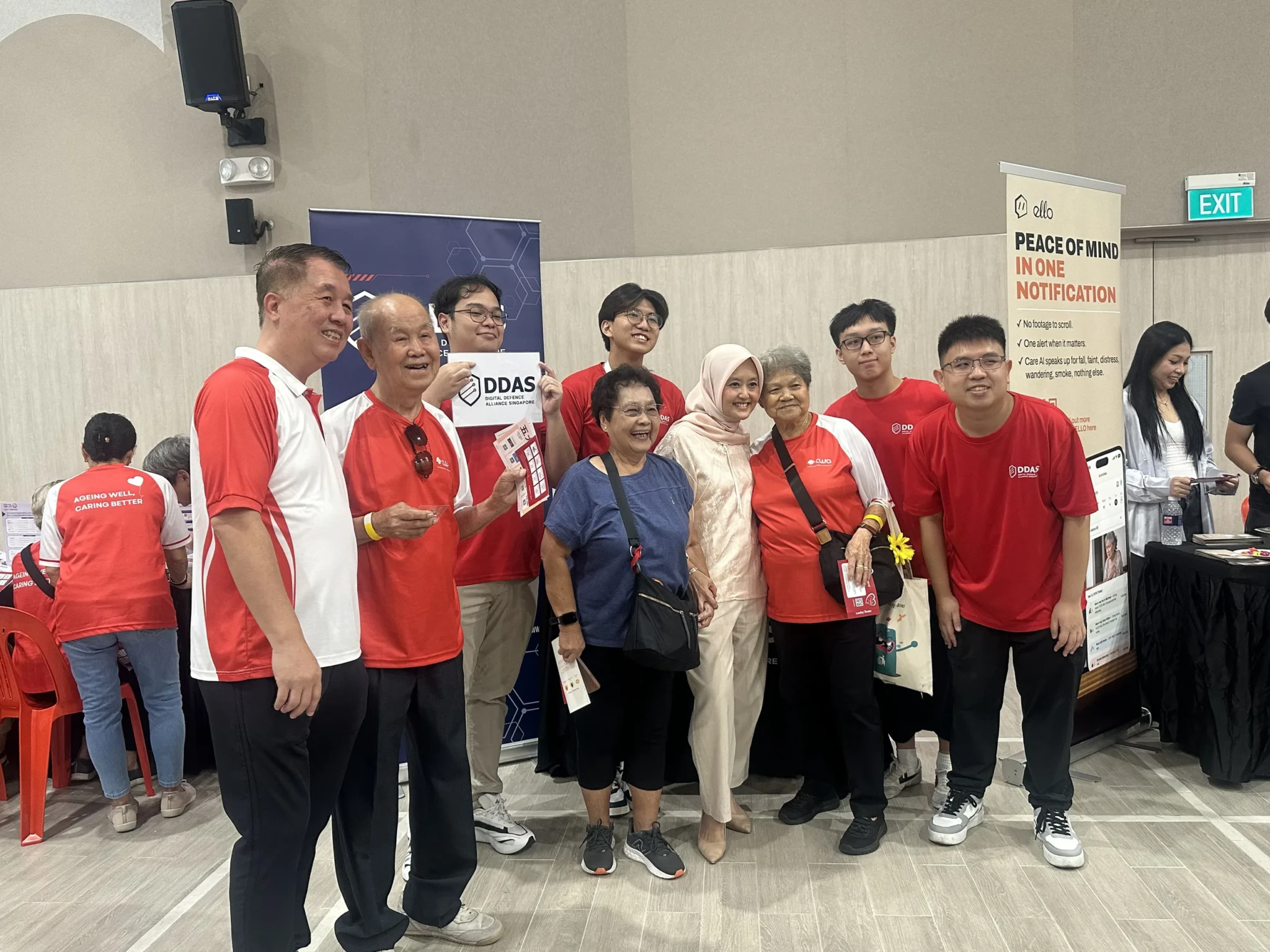
For a hidden caregiver who isn’t sure what they need, CareJourney is the sensible first step, since it costs nothing and works like a map of what’s available. The practical help comes from HomeAssist, where trained Community Caregivers provide elder-sitting, companionship and light household assistance at home.
HomeAssist is the service that puts planned respite into practice. A caregiver gets a few hours to themselves while their senior loved one is cared for in a familiar environment. CWA says subsidies are available across its services based on eligibility.
A Penguin and Ten Stories
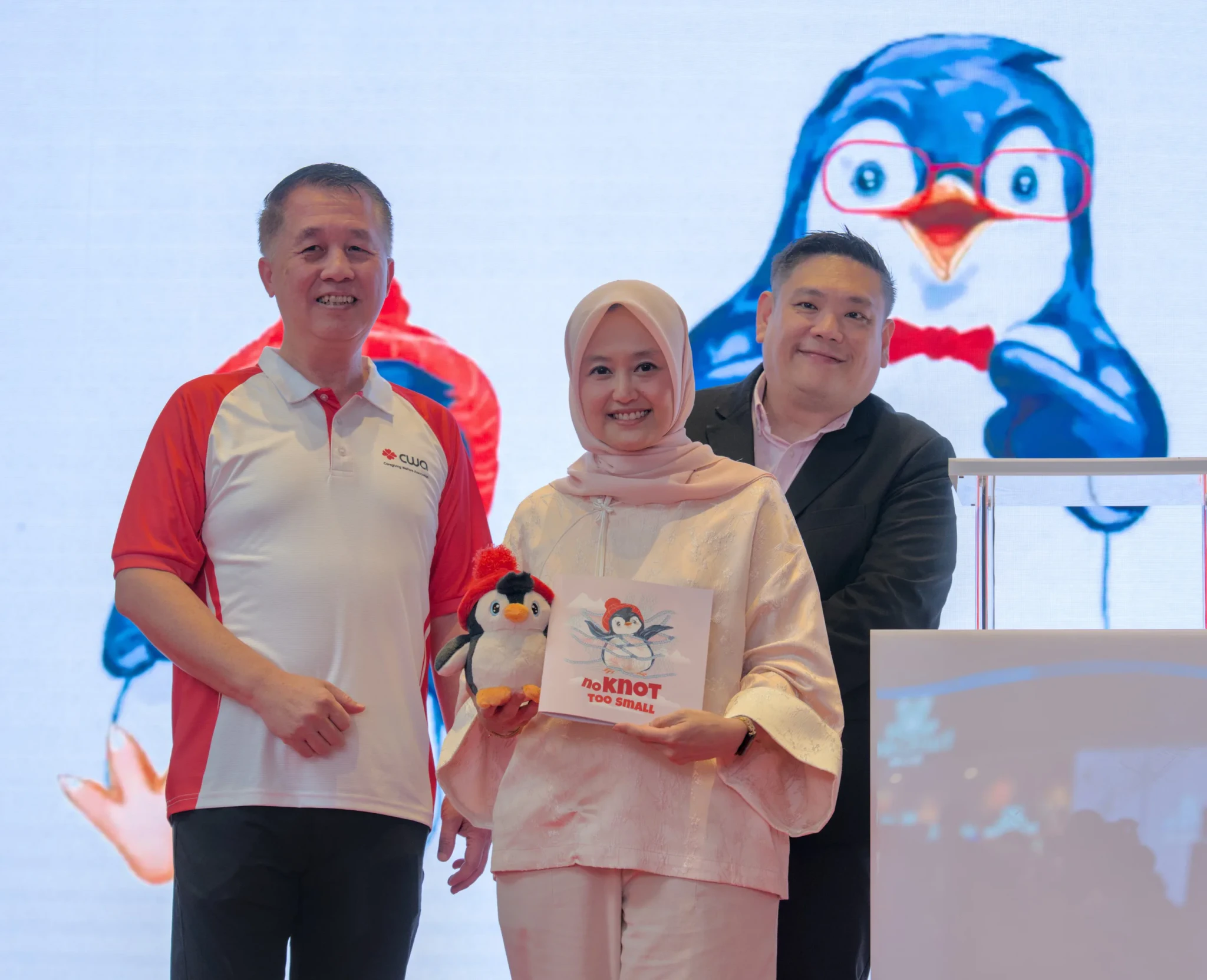
Caregiving Fest marked the launch of CWA’s storybook No Knot Too Small, which introduces caregiving to children and families. In the story, a sudden storm leaves Grandpa injured and disrupts the family’s livelihood. Pebble, a little penguin, and his family then have to take on new roles and share responsibilities to keep going.

The message lines up neatly with Mr Yeo’s advice on shared care plans. Every family member can play a meaningful role, however small that role seems. The book is aimed at kids, but the lesson suits the adults in the family just as well.
The fest featured the Voices of Care audio installation as well. It brought the campaign theme, Behind Every Caregiver, A Story, to life through 10 caregiver stories that visitors could listen to on mounted headphones.
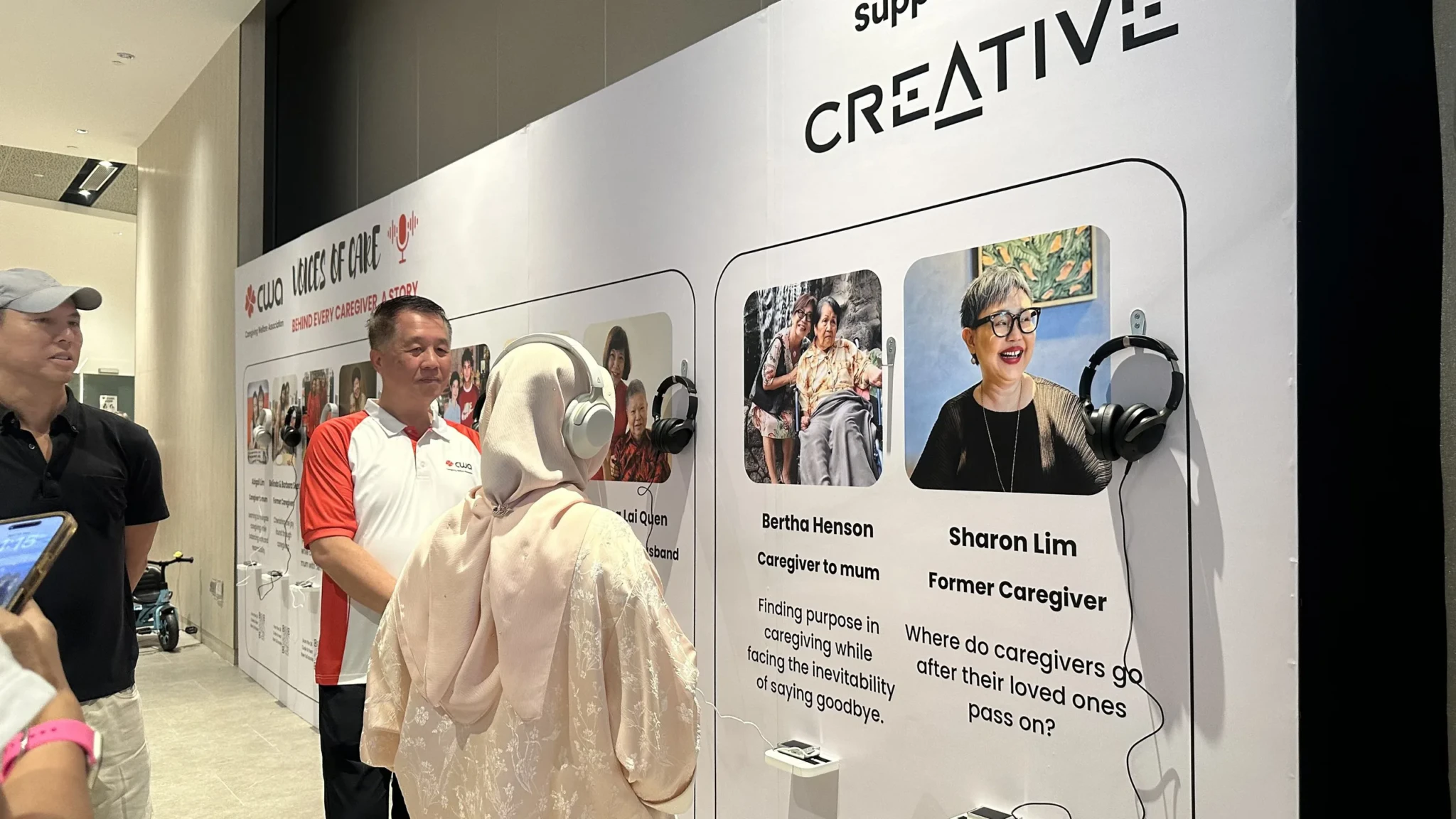
Hearing a caregiver describe the job in their own words makes the survey’s percentages feel much more personal.
🗓️ Date: Saturday, 19 September 2026 (Caregiving Fest, the finale of Caregiving Week 2026)
👥 Attendance: Over 1,000 caregivers, seniors, families, community partners and members of the public
🎤 Guest-of-Honour: Mdm Rahayu Mahzam, Minister of State, Ministry of Digital Development and Information and Ministry of Health
📖 Launch: CWA storybook No Knot Too Small
🎧 Installation: Voices of Care, featuring 10 caregiver stories
📊 Survey: 2026 Caregiver Experience Survey, close to 200 respondents, April to September 2026
Caregiving Week 2026 is over, but the 10 stories behind it are still online. Start with Voices of Care, then think about the person in your family who is quietly holding everything together. If they’re stretched thin, a free CareJourney consultation with Caregiving Welfare Association is an easy first step, and following CWA means you’ll catch next year’s Caregiving Week. The survey’s message is that nobody should wait until they’re overwhelmed to ask for help, and sometimes the person who starts that conversation is you!
Photos and Visuals courtesy of Caregiving Welfare Association.
Read us first on Google: add DANAMIC as a preferred source and our stories show up more in your Top Stories and AI results.