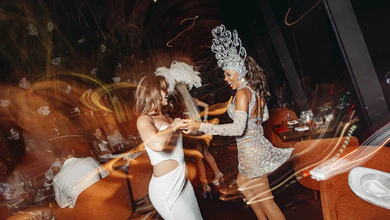
Punch Room Tokyo, the punch bar on the lobby mezzanine of The Tokyo EDITION, Ginza, has launched a new signature menu called Wonderland Vol. 3. It’s available now, with 20 new drinks: signature drinks are ¥3,000 each and the low/no-alcohol drinks are ¥2,200 (0% ABV) or ¥2,500 (0.5% ABV), and tax and service charge are already included in those prices. If Japan is on your year-end travel list, this menu could change how you see the bottle of ponzu in your fridge door.
According to the bar, a Nagasaki record from 1799 mentions a mixed drink called “PONSU”, which Dutch traders in the port liked. Punch Room calls it the oldest written punch recipe in Japan. It also says the drink may be where the word ponzu comes from, which is a lot of history for a dipping sauce.
The 1799 Ponzu Theory
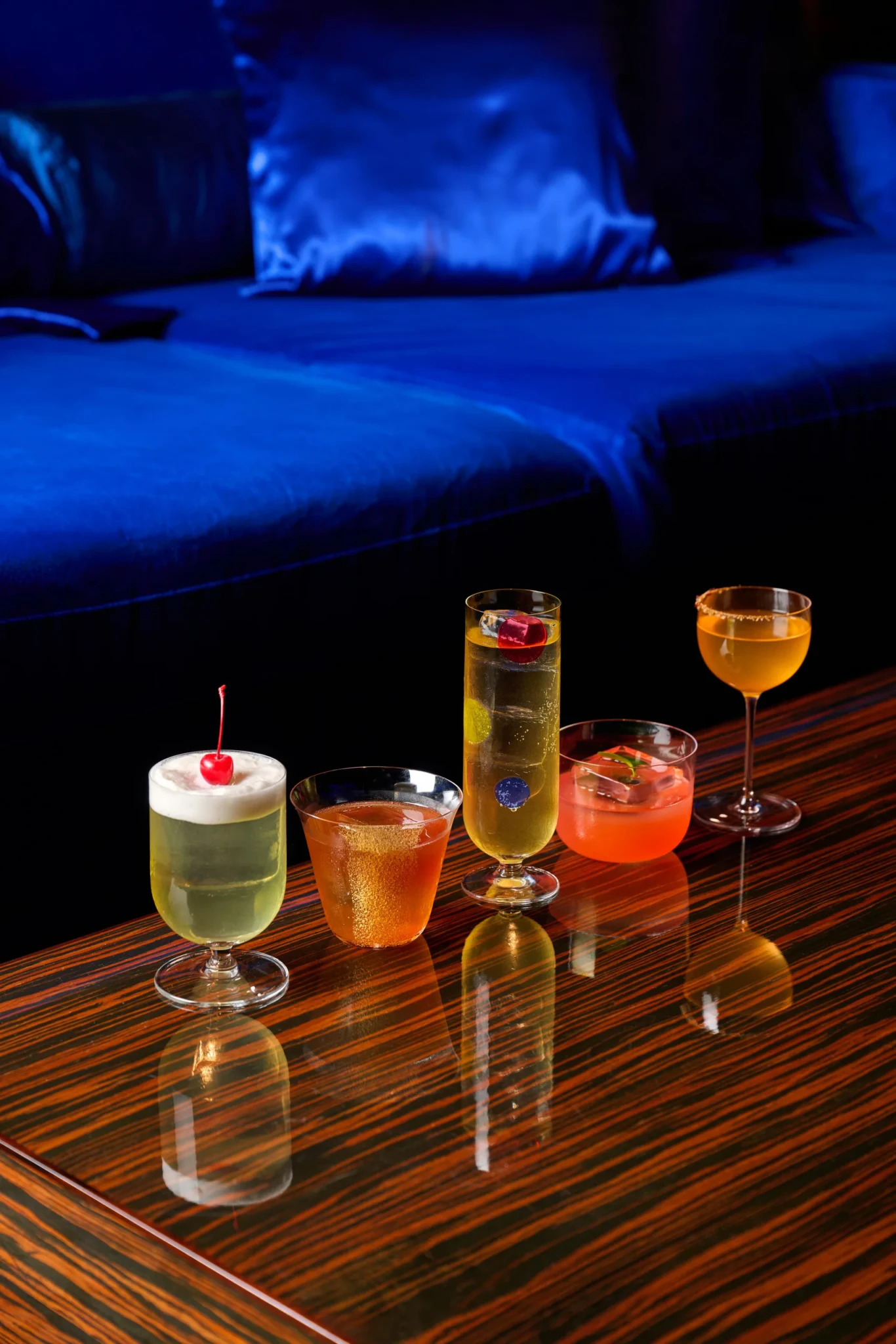
Some background first. The menu describes punch as a drink born during the Age of Exploration as an alternative to wine. It spread along the world’s trade routes and, over nearly 150 years, developed into the cocktail. A busy trading port like Nagasaki is exactly where you’d expect a sailor’s drink like that to turn up in the records.
The bar’s version is Waran’s Ponsu, made with Roku gin, daidai ponzu, umeshu, amazake, sonogicha tea, and cinnamon. Look closely at that list and you’ll spot the cheeky part: there’s ponzu inside the drink that ponzu may be named after. On the menu, its Japanese name is 和蘭の酒、ポンス, a nod to the Dutch traders behind the original.
Punch Room is open about the fact that this isn’t a museum copy. Director of Bars Yasuhiro Kawakubo calls the drinks on this menu reinterpretations rather than straight reproductions. The ponzu link is presented as a possibility, so it works best as a great bar story rather than a settled dictionary entry.
Three Drinks Rescued From History
Waran’s Ponsu is one of three revivals on the menu. Windjammer Punch pays tribute to the Jack Tar, a Yokohama cocktail from the 1950s that was once everywhere. The new version mixes Nikka From the Barrel, Southern Comfort, pineapple tea, ginger-honey, lime, and bitters.
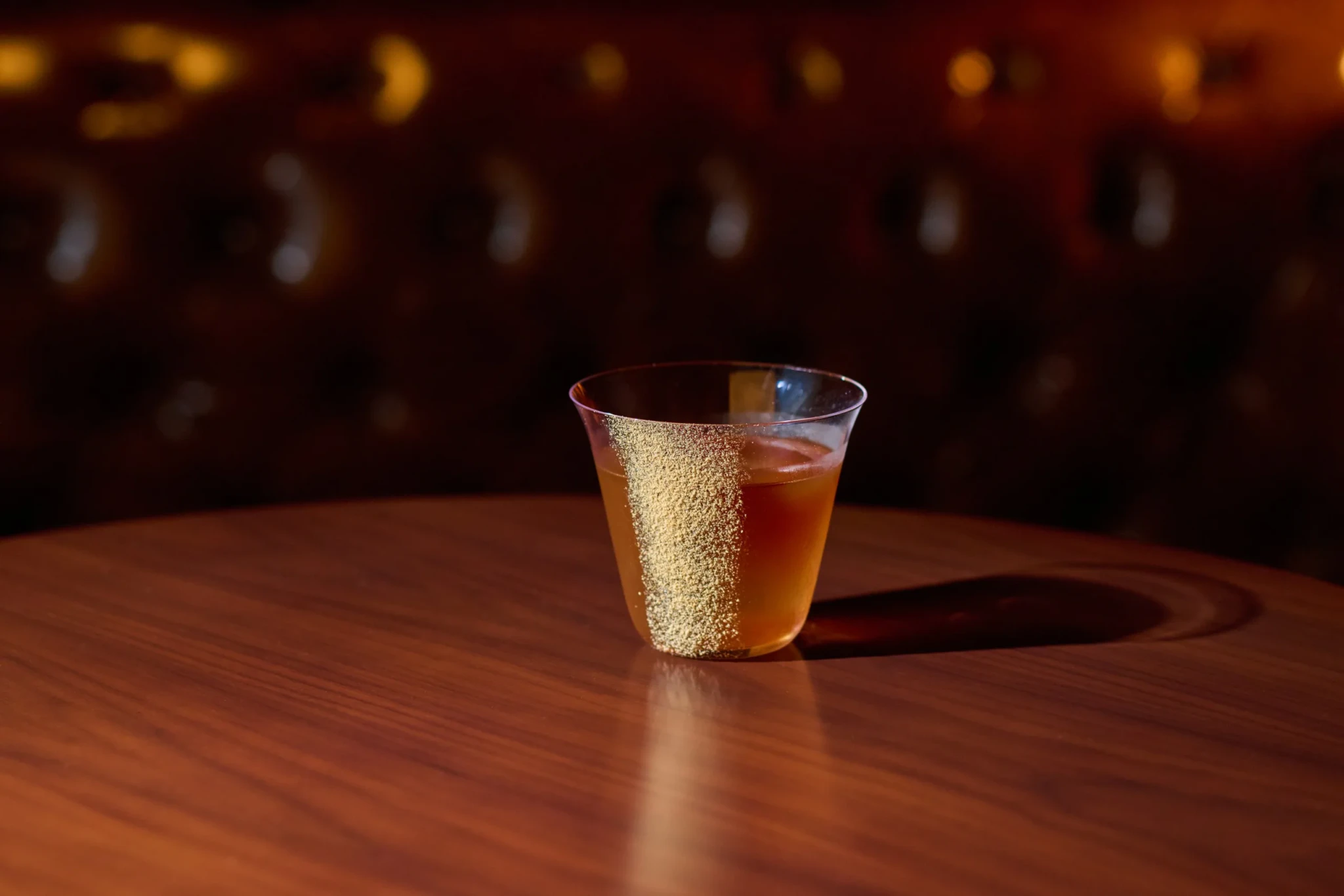
Sol Kobeno reworks the Sol Cubano, an original drink from the 1980s that has been nearly forgotten. It combines Kenbishi sake, Bacardi 8, grapefruit, mint tea, ramune, and maqaw. Kawakubo has long drawn on the overlooked drinks of that decade, and this one pulls the idea into Kobe’s port-town story.
Kawakubo decides each drink’s structure, name, and story, then hands the brief to bartenders Kenta Aoyama and Shunpei Hayakawa. Each of them builds a version on their own, the team tastes both side by side, and the one that best captures the idea makes it onto the menu. It’s a friendly bar-top duel for every one of the 20 drinks.
Singapore has a small part in this story too. Kawakubo got into bartending at 15 after finding a bartending book. Since starting his career in 2005, he has helped open bars and build menus in Singapore, Paris, and Sydney. He returned to Japan in 2020 and ran bars at international hotels, including Bvlgari Ginza Bar, before joining The Tokyo EDITION, Ginza.
Folklore, Sweets and Curry
Punch Room builds its drinks around five pillars: spirit, citrus, sugar, spice, and tea. On Wonderland Vol. 3, each pillar becomes a chapter. Port Town covers spirits, Yokai covers citrus, Wagashi covers sweeteners, Kissaten covers tea, and Japanese Food covers spice. The bar says it sources ingredients from across Japan and buys as close to Ginza as it can. Kappa & Yuzu, for example, uses unfiltered, small-batch doburoku from Konohanano Brewery in Asakusa.
Yokai are creatures from Japanese folklore, and the menu says they’ve long been tied to fear, lessons, and even prosperity. Here, they’re paired with Japanese citrus. Nekra-Oni blends Roku gin with jabara citrus, peach tea, vermouth, and Scarlet. Melting Yukinko adds mikan, hojicha, hinoki, and pearl to Haku vodka and sake.
Wagashi are traditional Japanese sweets, and this is where the menu gets playful. The Mitarashi Old Fashioned uses Angel’s Envy bourbon, iichiko Saiten shochu, kinako, hojicha, mitarashi sauce, sesame seed, and hinoki. That’s the sweet-salty glaze from grilled rice dumplings, now in an old fashioned.
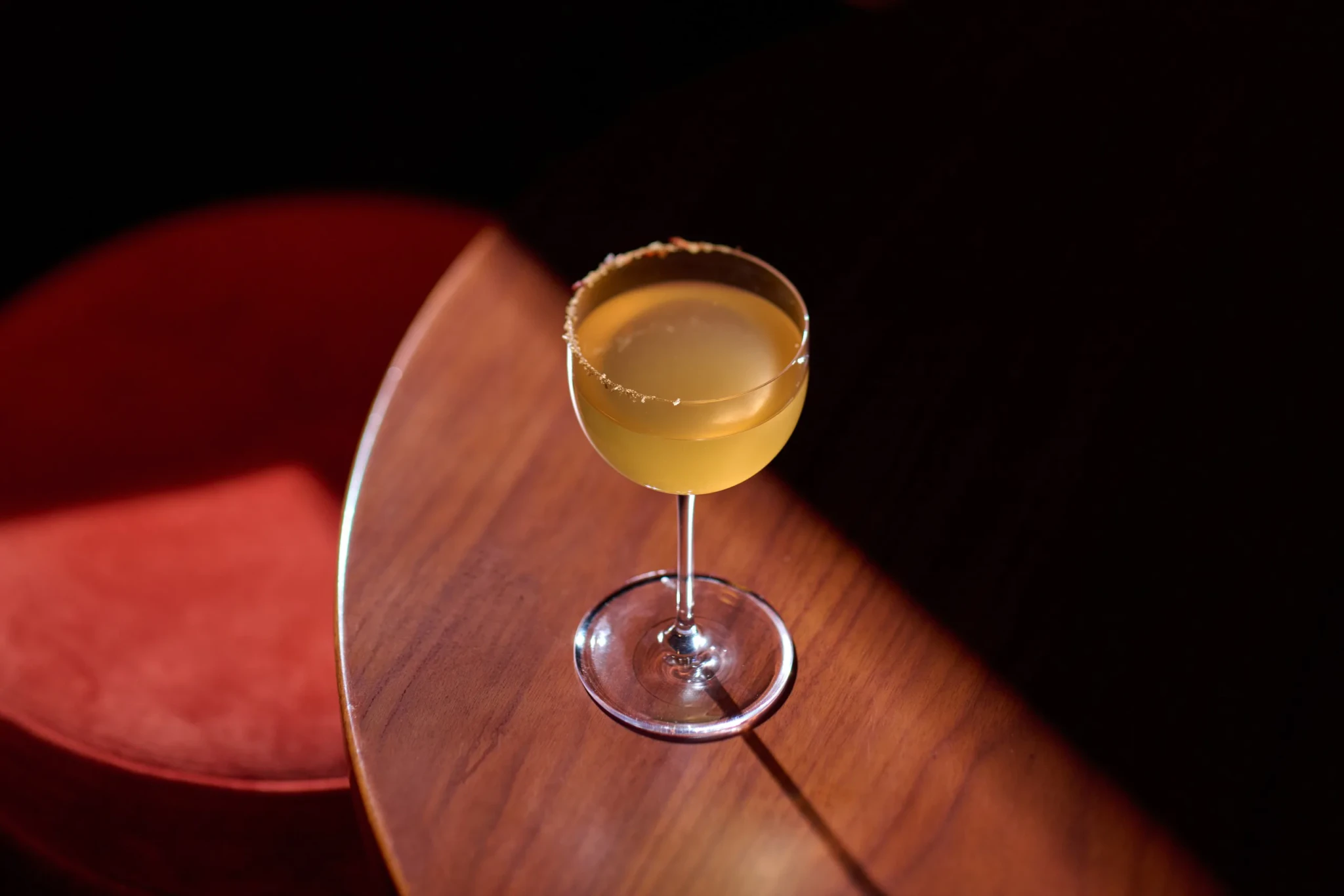
Then there’s Return of Taiyaki-kun, which puts actual taiyaki in the glass alongside hatcho miso, coffee, Tia Maria, apricot tea, and sesame oil. Ginza Brick Street finishes the chapter with rye, azuki, and strawberry tea.
The menu describes kissaten as uniquely Japanese spaces that look like cafés but have a character of their own. The most fun detail in that chapter is Melon Soda…?: its ingredient list of Patrón, shochu, matcha, citrus, vanilla, cucumber, honey, and whey has no melon at all, so the question mark is well earned. Napolitan Mary takes the Bloody Mary somewhere stranger with green pepper, tomato, umekobucha, ketchup, and Tabasco.
If you only order one wild card, make it the Kare~Margarita. The bar says it draws on home-style Japanese curry, and it has the ingredients to back that up: Don Julio Reposado, chai, coffee bean, apple, garlic, onion, and habanero. The Wasabi Martini, with tencha and nigari, is the other one bold diners will want to try.
Bring Friends, Get a Bowl
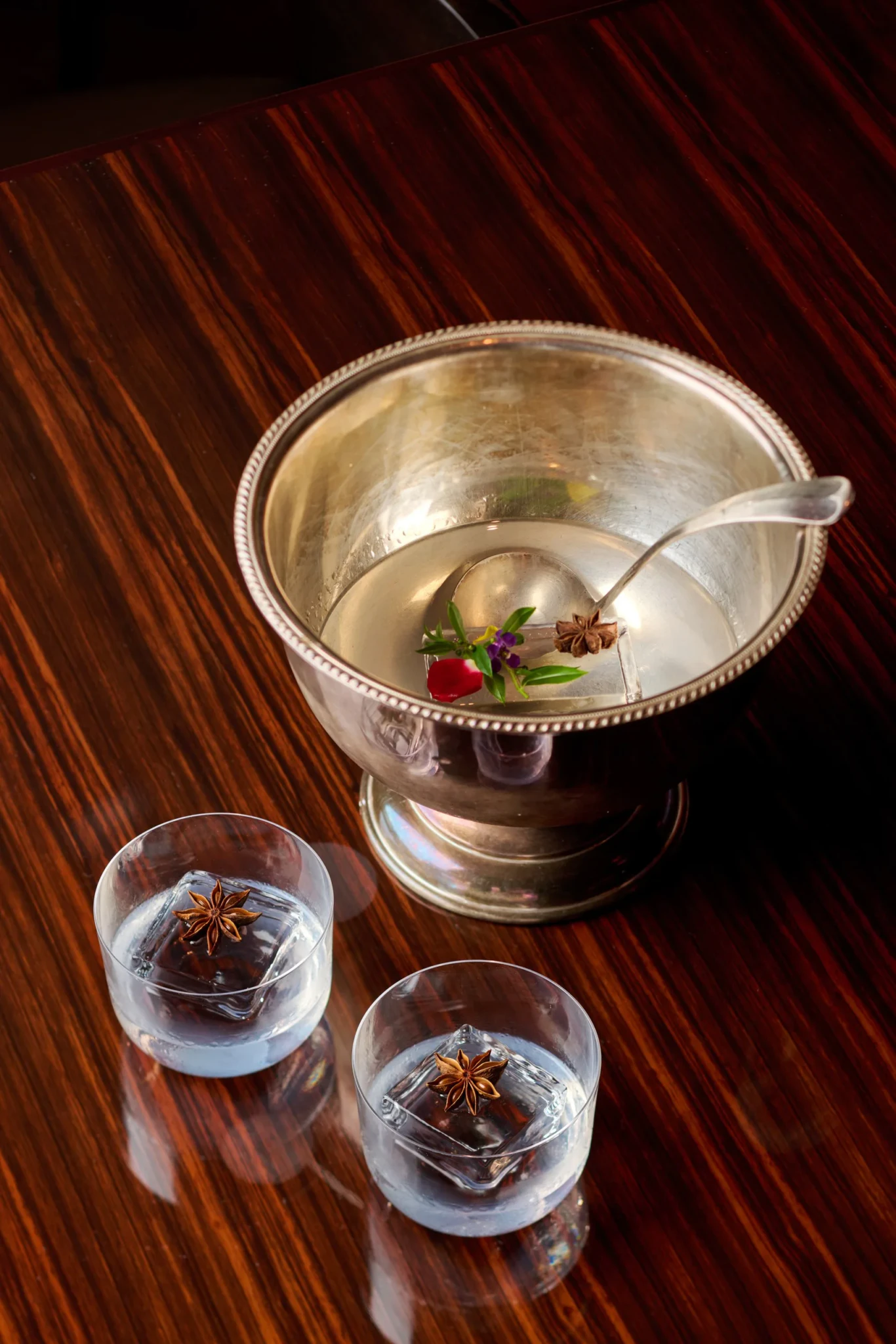
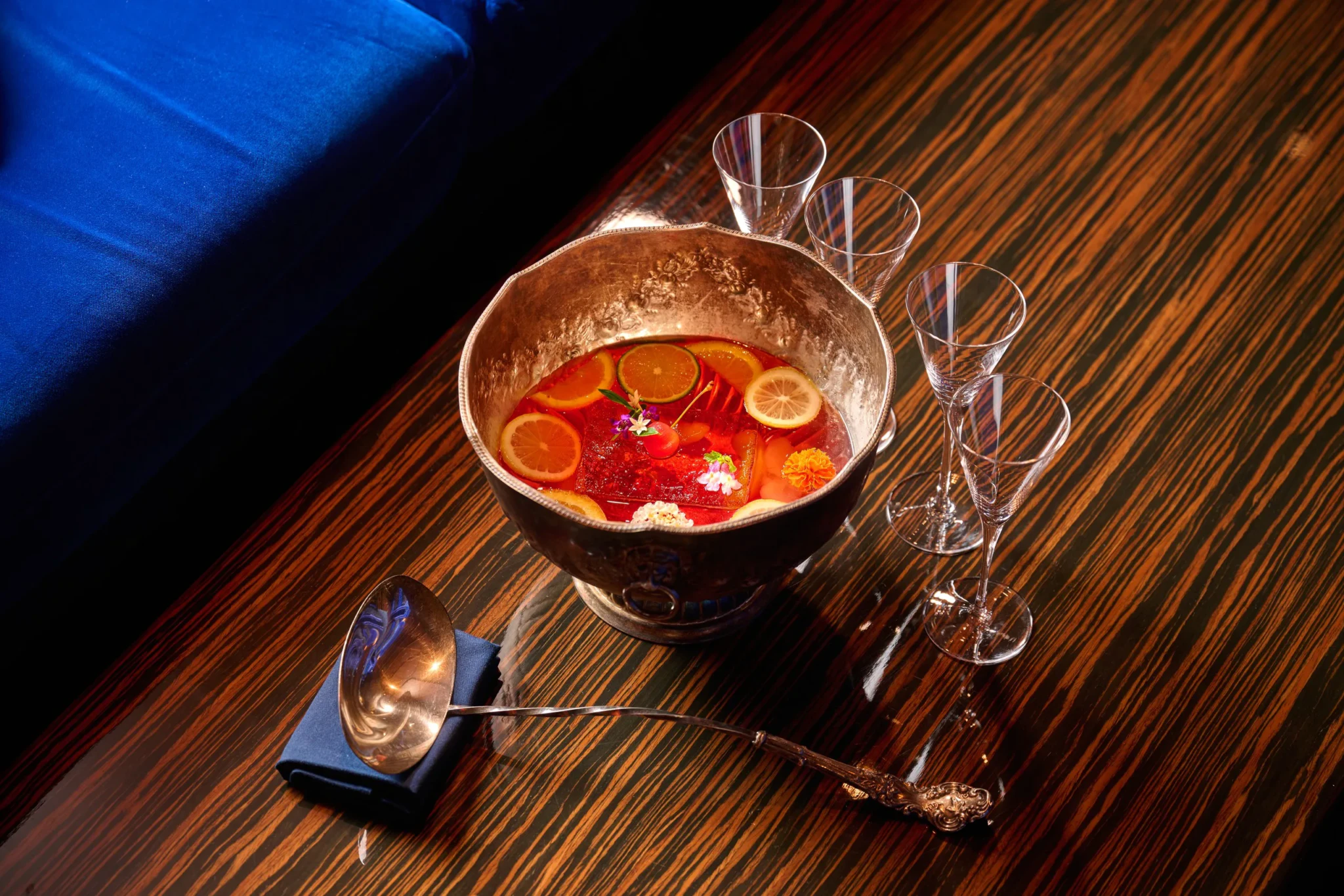
If you order a drink alone, it arrives by the glass. If you order the same drink with friends, it comes in a silver punch bowl with a ladle for sharing, a callback to the 19th-century London private clubs where punch was passed around the table. The room matches that mood, with coffered dark-walnut walls and ceilings and jewel-toned brocade seats.
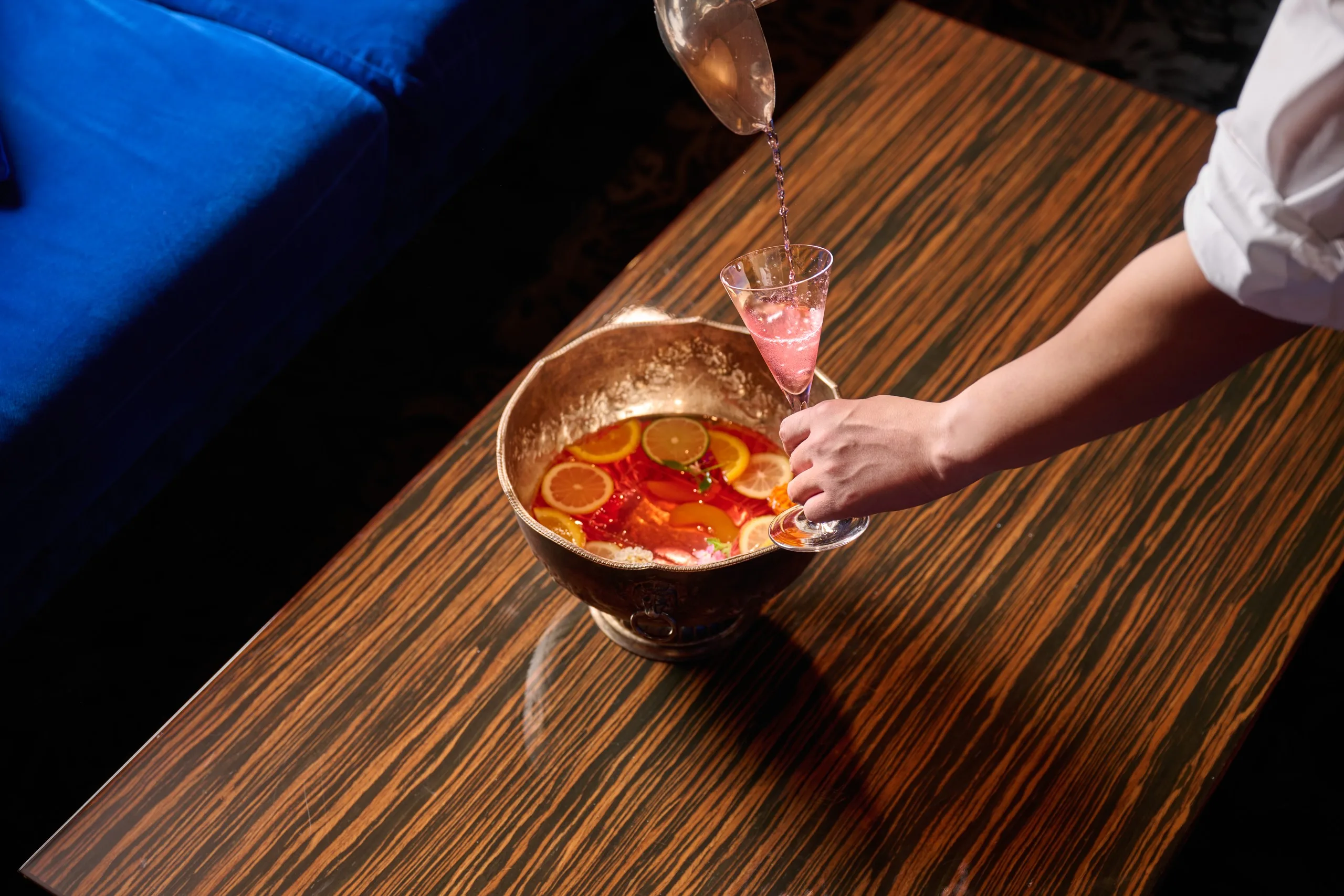
For bigger groups, the menu lists a Seasonal Fruit Punch (price on request, made with that day’s fruit) and a Tailored Champagne Punch at ¥12,000 plus a bottle of Champagne of your choice, meant for six to 12 people. Four returning classics are also on the list. Singaporeans will probably smile at the name of one of them, the Big Red Dot, made with Nikka Coffey Malt, Akadama Sweet Wine, awamori, mango, and coconut.
California-born, Tokyo-based illustrator Erica Ward drew the menu’s original artwork. Kawakubo calls her work “a perfect fit for expressing the fusion of Western and Japanese cultures.” Punch Room first opened at The London EDITION in 2013, and the Tokyo bar is its first outpost in Japan.
Is ¥3,000 a Glass Worth It?
The bar has the awards to justify a detour. At Asia’s 50 Best Bars 2026, announced in Macau on 28 July, Punch Room Tokyo rose 13 places to No. 23 and was named The Best Bar in Japan, making it the highest-ranked Japanese bar on the list. That came after its debut in 2025 at No. 36.
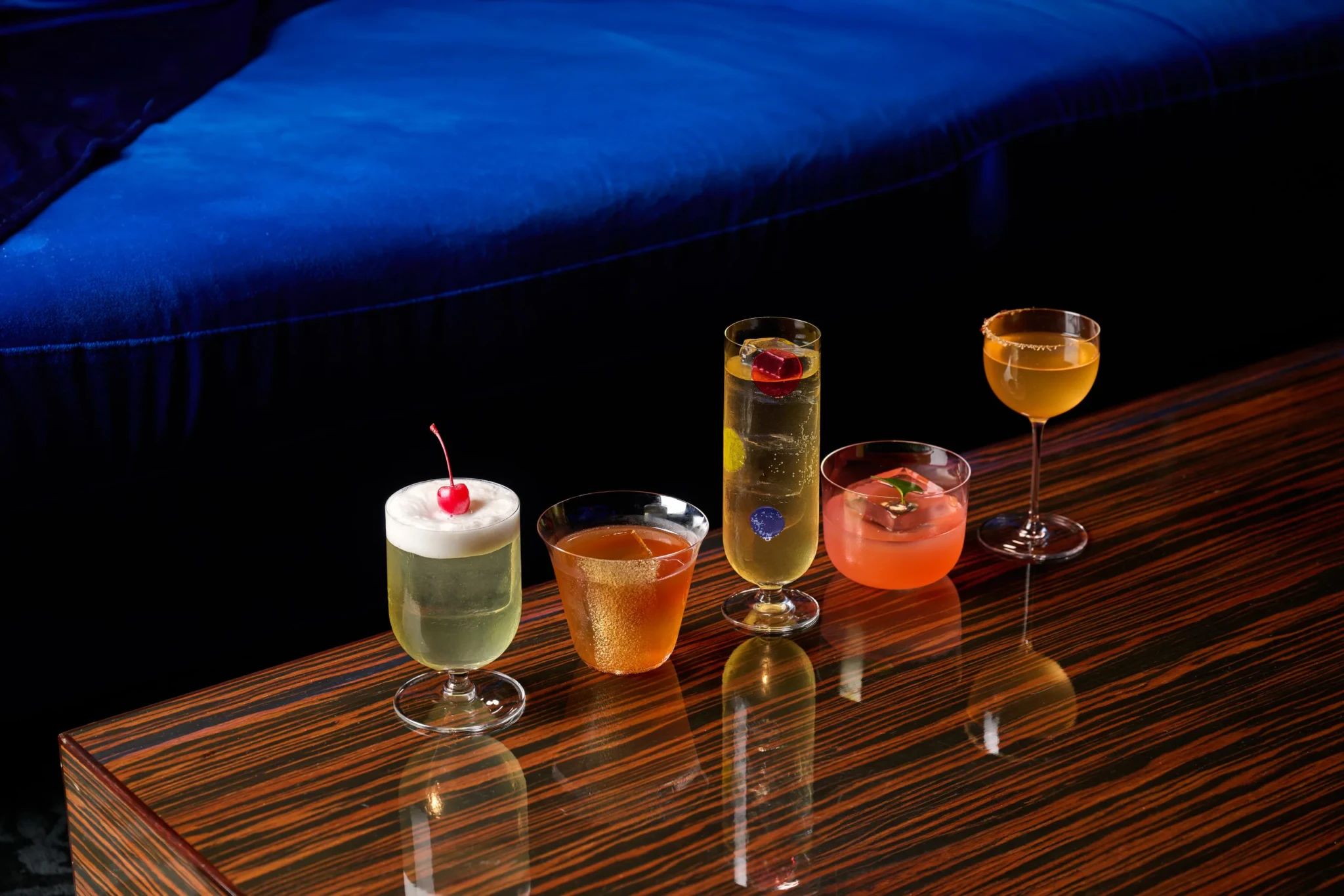
Every signature drink costs ¥3,000, with 10% consumption tax and 15% service charge already included, so the menu price is what you pay. Not drinking? Five low- and no-alcohol punches cost ¥2,200 for a 0% ABV (alcohol by volume) version or ¥2,500 for 0.5%. Perry’s Ra-Mu-Ne and Sober Kappa are the picks if you want a proper Japanese flavour without the hangover.
Not flying anytime soon?
🗓️ Date: Available now
📍 Location: Punch Room Tokyo, lobby mezzanine, The Tokyo EDITION, Ginza, Tokyo
🍹 Signature drinks: ¥3,000 each, inclusive of 10% consumption tax and 15% service charge
🍃 Low/no-alcohol: ¥2,200 (0% ABV) or ¥2,500 (0.5% ABV)
🥂 Tailored Champagne Punch: ¥12,000 plus a bottle of Champagne of your choice, for six to 12 people
🍓 Seasonal Fruit Punch: Price on request
⭐ Order first: Waran’s Ponsu, Windjammer Punch, and Kare~Margarita
Few bars can make a sauce’s backstory something you order at the table, and Wonderland Vol. 3 does it with a ladle and a silver bowl. Before your Tokyo trip, check The Tokyo EDITION, Ginza’s official website and Punch Room’s Instagram at @PunchroomEDITION, then bring friends so your Waran’s Ponsu arrives in the bowl!
Photos and Visuals courtesy of Punch Room Tokyo.
Read us first on Google: add DANAMIC as a preferred source and our stories show up more in your Top Stories and AI results.