Tokyo’s Edo-Tokyo Museum has reopened after four years of major renovations. According to a 12 November 2026 release from the Tokyo Metropolitan Government, it has already welcomed more than 1 million visitors. If a Tokyo trip is on your year-end list, this is the place to see how the city grew from a samurai-era town into the one you’ll be navigating on the metro.
Cross Nihonbashi on Foot
The Tokyo Metropolitan Government says the central idea behind the renewal was immersion. The museum wants you inside historical spaces instead of staring at isolated objects in glass cases. You can cross a life-size Nihonbashi Bridge, the old wooden bridge at the heart of the Edo city, and wander past homes and food stalls. There’s also a recreation of the Nakamura-za, one of Edo’s most famous kabuki theatres.
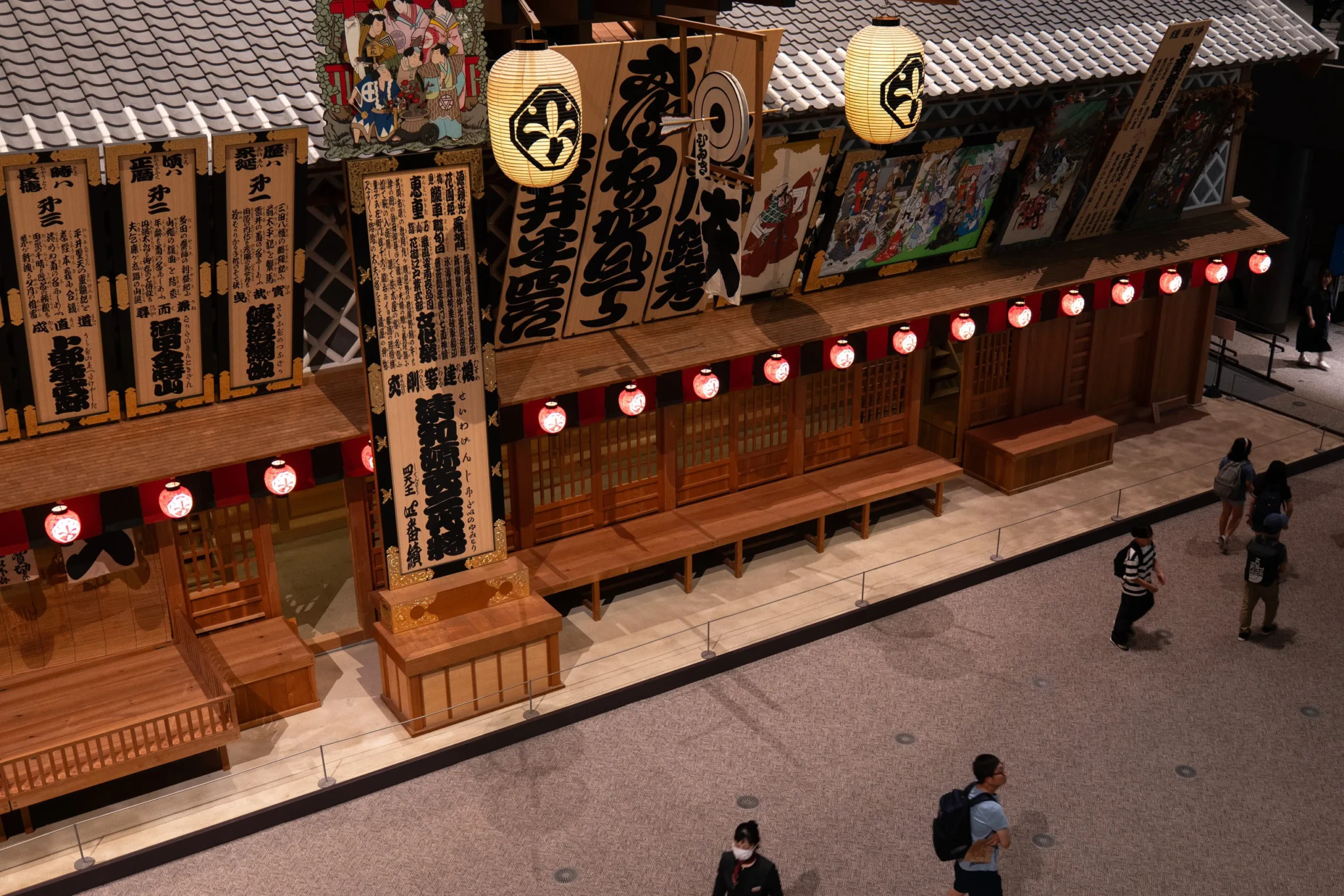
The exhibition is split into the Edo Zone and the Tokyo Zone. Together they trace the city from the age of the Tokugawa shogunate, the military government that ruled Japan for more than 250 years, through modernisation, disaster, war and recovery, right up to today. Anyone who grew up on samurai anime or open-world games set in feudal Japan will get a kick out of finally standing in the real streets behind those worlds.
For overseas visitors, the most useful upgrade is smartphone-based audio guidance in 13 languages, along with multilingual touch panels. That puts the exhibition within reach of anyone who can’t read Japanese, which covers most of us.
Sushi Started as Street Food
Displays also cover compact homes, shared facilities and the close relationships between neighbours. Picture the Edo version of everyone in your HDB block knowing exactly who cooks curry on Sundays. Other exhibits explain Edo’s water infrastructure, and a new interactive model shows how food and everyday goods made their way into the city.
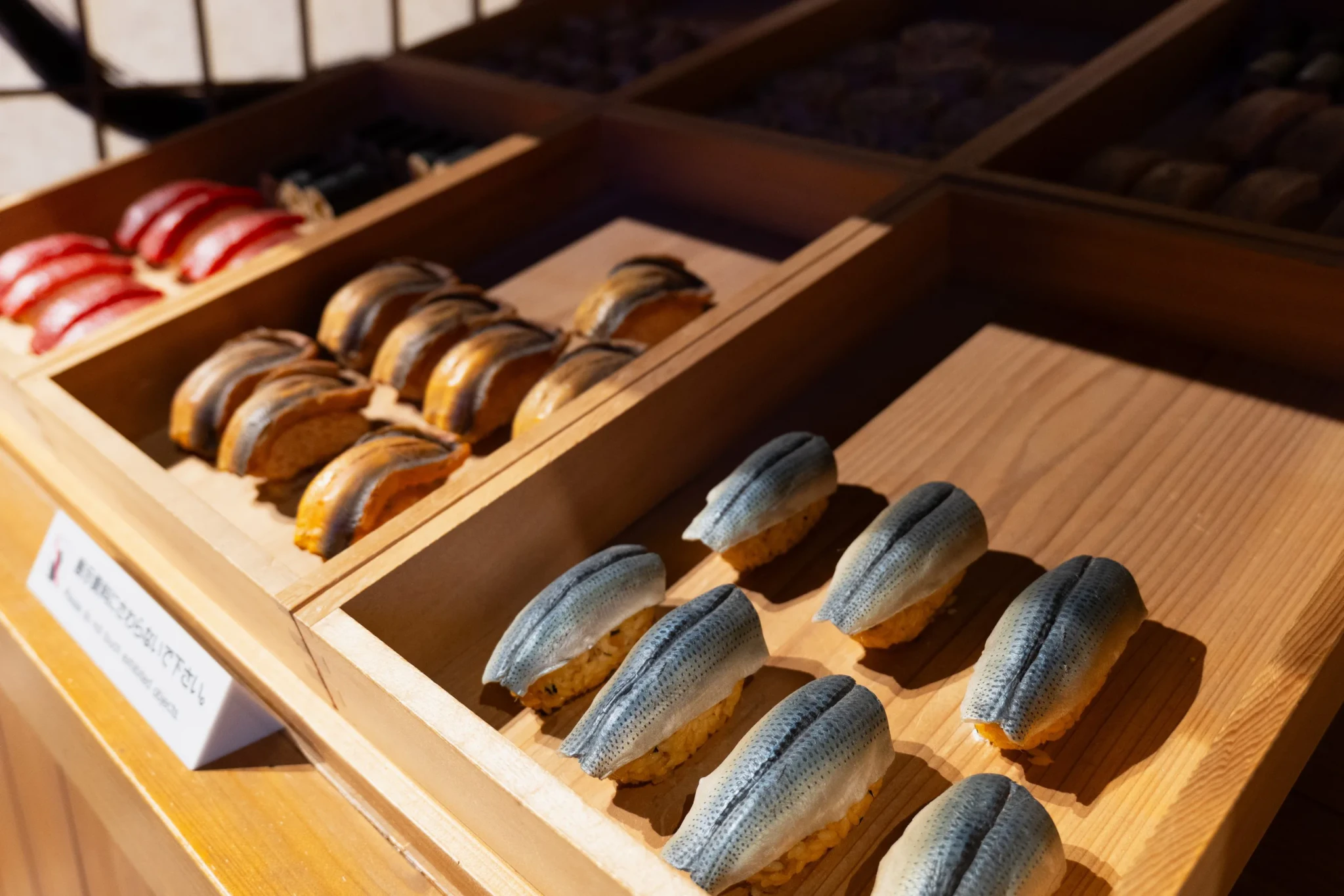
Foodies, here’s your section. The museum has added a tempura stall to its existing sushi and soba stalls. The aim is to show that dishes now served in pricey omakase counters around the world began as casual Edo street food. A fast, cheap bite eaten standing up sounds far closer to a hawker centre than a fine-dining room, doesn’t it?
One Novelist, 1,000 Edo Dishes
That food history has a living expert. Kuruma Ukiyo is a historical novelist who heads the Edo Culinary Culture Research Institute and cooks from a recreated Edo-style kitchen and studio. Her interest began when she helped edit a book about the period. She then started recreating dishes from Edo literature and posting one on her blog every day.
The project grew into an online series, and she has now recreated more than 1,000 dishes. She has cooked all 100 recipes in Tofu Hyakuchin, an Edo-period bestselling cookbook devoted entirely to tofu. That’s a commitment to bean curd few of us could match.
Kuruma has spoken and been interviewed internationally about her work. In those talks she points out that sushi, grilled eel, tempura and soba developed between the 17th and 19th centuries, something she says many Japanese people don’t fully realise. Pair her story with the museum’s stall section and you’ve got the full origin story of your favourite Japanese order.
Folding Screens Meet Hip-Hop
The Tokyo Metropolitan Government describes Kataoka Byoubu as the only shop in Tokyo devoted to byobu, the traditional Japanese folding screen. Most people know these screens as gold-leaf backdrops at weddings or as ink paintings in museum galleries. The shop’s version is far less stuffy.
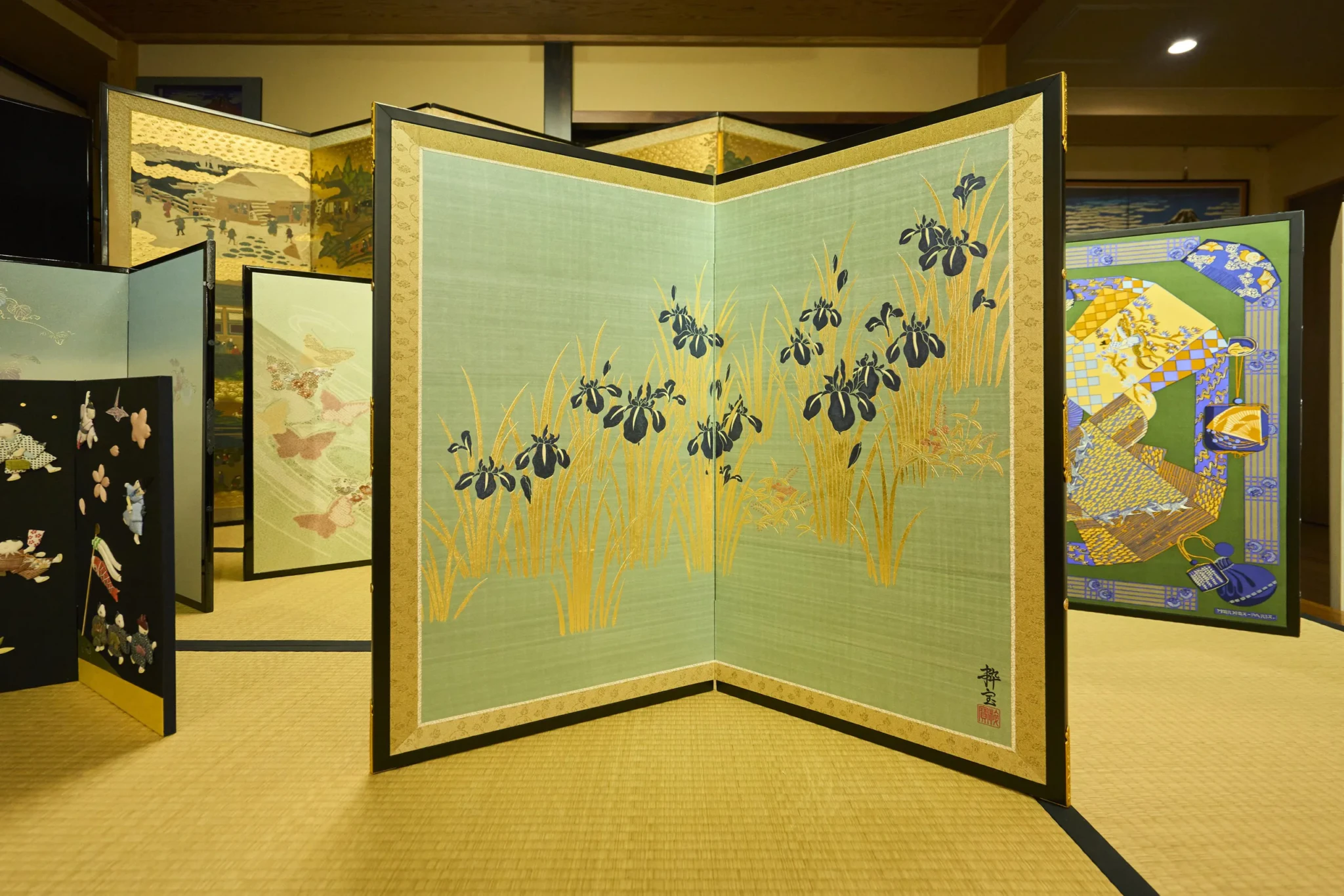
Third-generation owner Kataoka Koto trained in the family business while chasing his other passion, hip-hop DJing. A folding screen with an anime twist is precisely the sort of souvenir that would get questions at your next housewarming.
Foreign buyers bring new ideas with them too, such as hanging a screen prominently on a living room wall.
The Umbrella You Keep
The White Rose company traces its origins to 1721, in the middle of the Edo period. It started as a tobacco wholesaler, moved into rain gear over time, and is now run by 10th-generation owner Sudo Tsukasa.
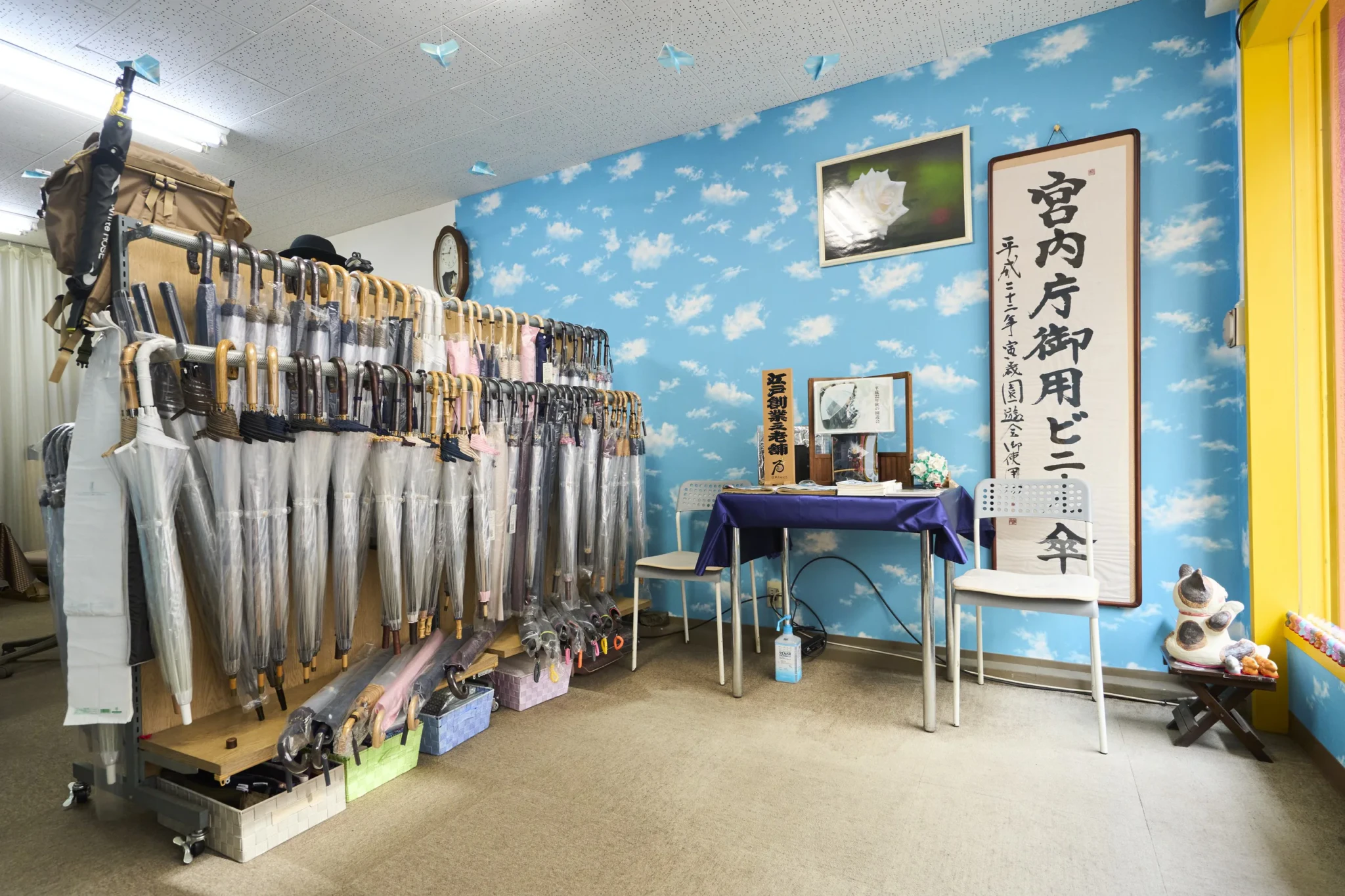
After World War II, Sudo’s father came across vinyl tablecloth material, a novelty from the United States. That gave him the idea for vinyl umbrellas that were waterproof and didn’t lose colour, unlike the cotton ones common at the time. The idea eventually spread, and cheap, mass-produced clear umbrellas are now everywhere in Japan.
White Rose goes the other way. Its umbrellas are designed for durability, and the company offers repairs and replacement parts so owners keep them instead of binning them. It’s a fair approach, given how many convenience-store umbrellas end up abandoned after one storm. White Rose has been selected for the Edo Tokyo Kirari Project, which picks Tokyo brands that fit its “Old meets New” concept.
A Fire Watch Since Edo
Richard Collasse has published 12 books in French and Japanese, many drawn from his decades in Japan. He was appointed a Tokyo Tourism Ambassador in 2023.
Since the late 1970s, Collasse has taken part in neighbourhood life, including walking in hinoyoujin processions. These fire-safety patrols date back to the Edo period, when residents walked the streets warning neighbours about house fires. He argues for preserving traditions without turning them into products, and says Tokyo has its own story to tell. That’s good advice for any visitor tempted to treat the city as one long photo backdrop.
Worth a Spot on Your Itinerary
If our coverage of Singapore HeritageFest 2024’s SPACES & STORIES at Asian Civilisations Museum got you hooked on walk-through history, the Edo-Tokyo Museum takes the idea to full scale. More than a million people have already crossed its Nihonbashi Bridge and peered into its sushi stall, and the rest of the city has Edo traditions you can buy, eat and carry home. Check the Edo-Tokyo Museum’s official website for opening hours and tickets before you fly, then pencil in a tofu dish, a byobu shop and a sturdy umbrella for the rest of the day!
Photos and Visuals courtesy of Tokyo Metropolitan Government.
Read us first on Google: add DANAMIC as a preferred source and our stories show up more in your Top Stories and AI results.