Fujifilm’s instax mini Evo 2 goes on sale in Singapore from 27 November 2026 at a listed price of S$399, according to the brand’s local release on 29 October. If your camera roll is full of photos taken a split second too late, this hybrid instant camera has an answer: it records the moments leading up to the shutter, so the laugh you almost caught still comes home with you.
It follows the original instax mini Evo, which Fujifilm calls “a global sensation” since its 2021 launch. Like that camera, the Evo 2 shoots digitally, shows the image on a rear screen and lets you choose which frames deserve a print on card-sized instax mini film. It doubles as a smartphone printer too, and that pick-before-you-print flexibility is why the Evo line has a loyal following among people who love the instant look but hate wasting film.
Five Seconds of Backstory
The headline trick is instax Immersive Movie. Each time you shoot, the camera saves the five seconds leading up to the shutter release as a short video, which Fujifilm pitches as a way to keep “the story behind a photograph,” from a friend’s shifting expression to the scenery moving around them. The clips are saved in a vertical 9:16 format, the upright shape Fujifilm says is ideal for sharing on social media.
This is the feature that changes how you shoot. Instant photography has always meant one frame and one chance, and the near-miss usually vanishes forever. Now the blink, the fumble and the burst of laughter before the “real” photo become a clip you keep, which might end up being the better memory.
You can watch the clips on the camera itself or move them to your phone through the free instax app for Android and iOS. One catch worth knowing before you buy: Fujifilm says images and videos are transferred to the app after printing with the mini Evo 2, so plan on making a print of the shots you want on your phone.
A Peek Past the Print Edge
The second new trick is instax Expanded View mode, which shows an area slightly wider than what ends up on the print. Fujifilm’s reasoning is practical: you can spot a subject about to step into frame and time your shot around them, which makes moving subjects far less of a gamble.
It sounds minor on paper, yet every print uses up a sheet of film, so seeing what’s about to wander in (or what stray bin is lurking at the edge) counts for more on an instant camera than on a phone. Anyone who has burned a print on a badly cropped group photo will appreciate it!
Swipe, Tap, Still Click
The rear screen grows to a 4.5-inch LCD (liquid crystal display), which Fujifilm says is about 1.5 times the size of the original’s. It’s the first model in the instax series to get a touchscreen, according to the brand, so you can toggle the flash with a tap and swipe through your shots the way you’d flip through a stack of prints.
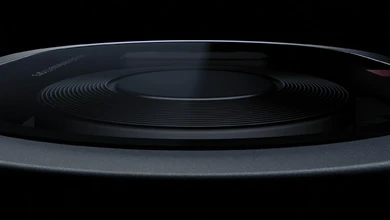
Fans of the original’s tactile charm haven’t been forgotten. Fujifilm says the dials and print lever still deliver satisfying clicks, while the body gets a more refined curved shape and a lens ring designed for a comfortable grip. Touch handles the menus, and the physical controls keep the ritual of shooting, which is the right split for a camera people buy partly because it feels good in the hand.
13 Megapixels, With Fine Print
Fujifilm says the maximum resolution rises to 13 megapixels, more than double the original mini Evo. The footnote matters, though: that figure needs a microSD card and applies with Expanded View switched off. In practice, keep Expanded View on for kids, pets and anything moving, then turn it off for still portraits and scenery when you want every pixel.
The creative toolkit carries over, with updates. There are still 10 Lens Effects and 10 Film Effects, which combine into 100 Shooting Effects, and some favourites from the first Evo have been refreshed. Fujifilm highlights “Afterimage” for a sense of motion, “Soft Focus” for a dreamy look, “Yellow Green” for a light, airy mood and “Deep” for a calm, subdued tone. Afterimage paired with Immersive Movie looks like the combination built for nights out.
The app gets meaningful upgrades. Alongside Bluetooth, there’s a high-speed transfer mode over Wi-Fi, plus a Print History gallery where you can add personal comments to each shot. Direct Print lets you print photos from your phone, so the Evo 2 can stand in for a separate instax printer.
Evo 2 or SQUARE 2?
Fujifilm’s other instax launch this season is the analog instax SQUARE 2, which we covered earlier. It’s fully analog: turn the lens barrel to switch it on, point and press the shutter, with every shot printing on 1:1 square film.
The Evo 2 adds a preview screen, the choice of what to print, digital copies, the five-second clips and smartphone printing. If you love the surprise of an instant print and want a party camera that prints everything, the SQUARE 2 is the simpler pick. If you’d rather choose your keepers and walk away with files as well as prints, the Evo 2 is the one to save for.
Before You Buy
The instax mini Evo 2 is Fujifilm’s planned Singapore launch from 27 November 2026, at a listed price of S$399. Fujifilm is backing it with a global campaign under the message “show how you see the world,” running across online channels, social media and in-store promotions. For a 13MP shot, budget for a microSD card on top of your instax mini film.
For anyone who has ever stood at a gathering wishing they’d pressed the button a heartbeat earlier, the Evo 2 is the first instax that keeps the lead-up as well as the print, and that alone makes it worth a serious look. Check out the full specs and sample effects on the official instax mini Evo 2 page and mark 27 November for the moment it lands on shelves!
Photos and Visuals courtesy of Fujifilm.
Read us first on Google: add DANAMIC as a preferred source and our stories show up more in your Top Stories and AI results.