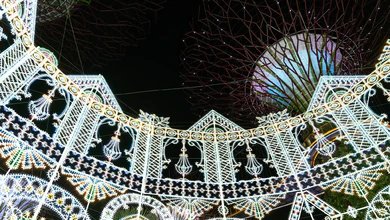
From Saturday, 10 October 2026, the Singapore History Gallery at the National Museum of Singapore on Stamford Road reopens after its first full revamp since 2006. Singapore Citizens and PRs (Permanent Residents) get in free, and so does every visitor from 10 to 12 October. That makes opening weekend the best time to bring your overseas friends.
The new gallery covers more than 700 years across seven zones. According to the museum, it built the gallery around one question, “Who are we?”, after running focus groups with over 160 members of the public and 12 academic experts. If you dozed through Secondary Two history, this version wants you to lift, tap, transmit and talk back. You can even pull a rickshaw.
At a glance
– Where: Level 1, National Museum of Singapore, 93 Stamford Road
– When: From 10 October 2026, 10am to 7pm (last admission 6.30pm)
– Cost: Free for Citizens, PRs and kids six and below; free for everyone 10 to 12 October
– Don’t miss: The voice input stations, which feed the gallery’s finale
Start in the Rotunda, Finish Out Loud
The route starts before the gallery doors, in the Shaw Foundation Glass Rotunda. There, Singapore Odyssea: A Journey Through Time takes visitors through regional myths and maritime milestones before handing them over to the gallery’s chronological walk. Treat it as the trailer and don’t skip it, because the gallery picks up the story exactly where the Rotunda leaves off.
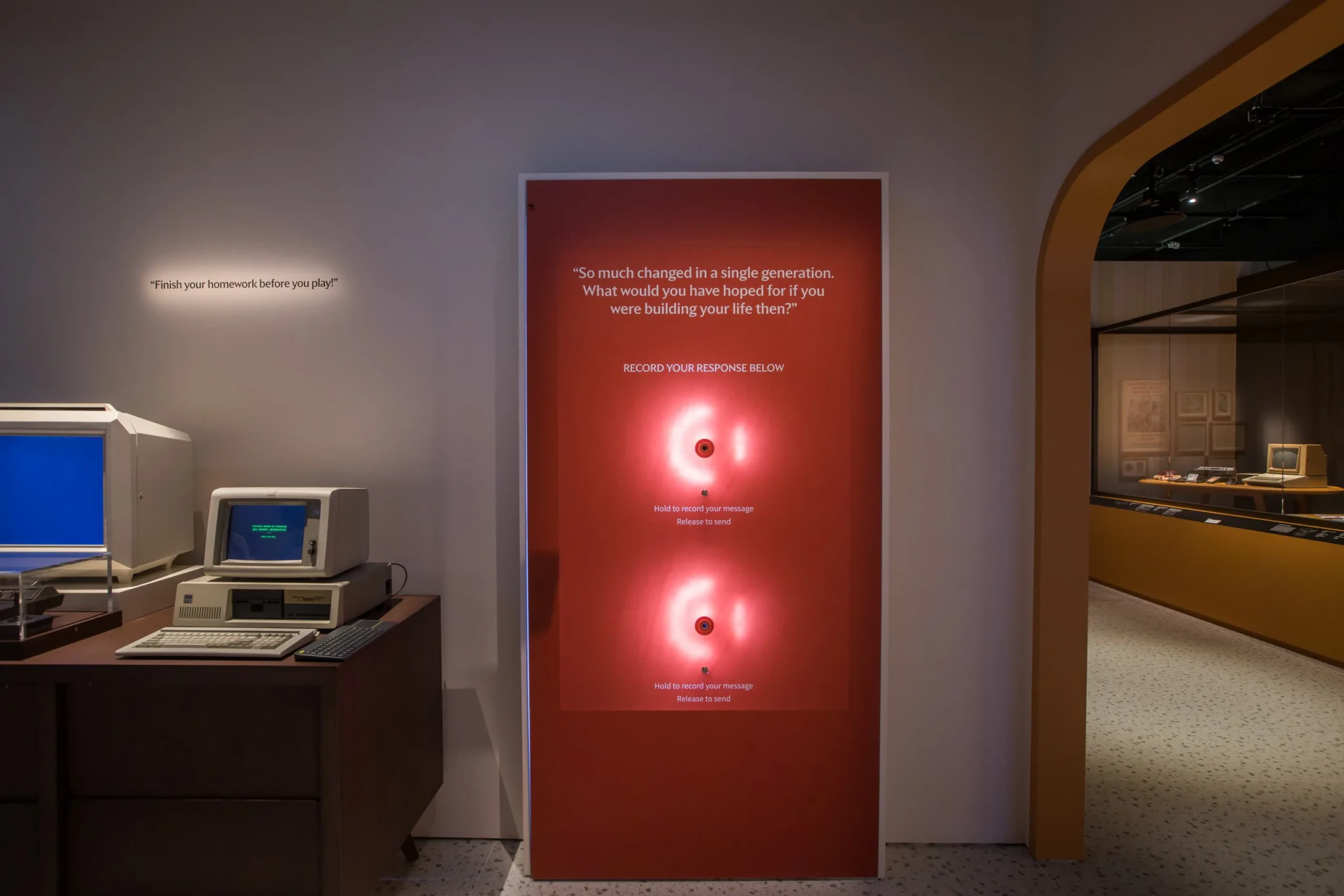
The cleverest addition is the set of voice input stations placed through each zone. Each one asks a question tied to that section’s theme, from what first drew people to Singapore’s shores to what it means to belong to a city that never stands still. Your recorded answers feed the finale, an immersive room where a projected river underfoot carries visitors’ voices toward the walls. Together they build a skyline of a future Singapore and a reflection written from visitors’ own words. Skip every station and the ending you watch will be built entirely from other people’s answers.
The Old Stuff Hits Hardest
Fluid Beginnings (1300s to 1800s) opens with a jongkong, a one-person canoe from the waters around Riau-Lingga, newly made for the museum by traditional boat craftsman Nasrun Syawal. The real draw is the Singapore Stone, a National Treasure. It is a fragment of a boulder that stood at the mouth of the Singapore River until the British blew it up in 1843. Its Kawi inscription, dated between the 10th and 14th centuries, has never been deciphered. A new display uses projections, 3D renderings and a textured replica you can touch to trace the stone’s journey. The stone is also the inspiration for Stoney, the museum’s new mascot (more on him below).
Colonial City (1800s to 1930s) is where history nerds should slow down. The first printed edition of the Hikayat Abdullah (1849) is on display at the museum for the first time. Its author, Abdullah bin Abdul Kadir, arrived months after the 1819 trading post was set up. According to the museum, the book contains the only known physical description of Stamford Raffles, whom Abdullah describes as of “medium build”, with “light brown hair”, and a man who “walked with a slight stoop”.
A few steps away, the rickshaw interactive lets you lift the poles and haul virtual passengers who react to your pace. According to the museum, it uses a load of around 30kg, while a real single-seater weighs upwards of 50kg. So the version you pull is a lighter one.
Where the Gallery Gets Heavy
Budget both time and emotional energy for Fall of the Fortress (late 1930s to 1940s). Its Morse code station makes you a British signal operator on 15 February 1942. You learn the basics, then race the clock to send SINGAPORE HAS FALLEN, and the experience ends with Winston Churchill’s broadcast of the news. Nearby are the pocket diary of war hero Lim Bo Seng and a display of belongings recovered from Sook Ching victims, with quotes from survivors and families projected overhead.
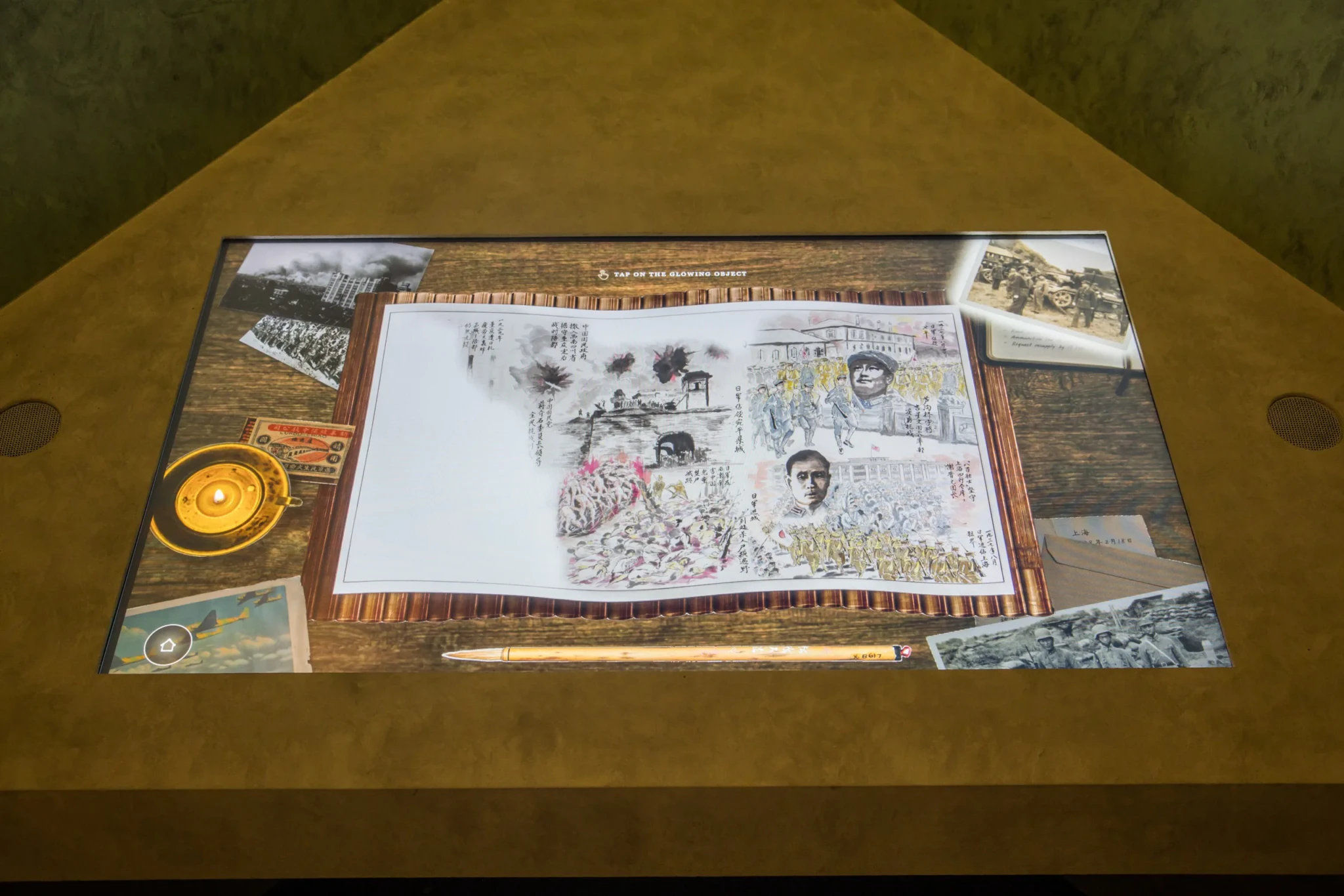
The digital interactive beside the painting by Tan Chong Tee, a Singapore-born member of the wartime Force 136, rewards patience. It starts with a blank canvas. You pick illuminated objects that act as his memory triggers, and animated ink strokes gradually reveal the full artwork.
Towards a New Identity (1950s to 1960s) holds the gallery’s most emotional object for music lovers. It’s Zubir Said’s piano, the Strohmenger grand on which the West Sumatra-born composer wrote Majulah Singapura, now Singapore’s national anthem. The piano is new to the gallery.
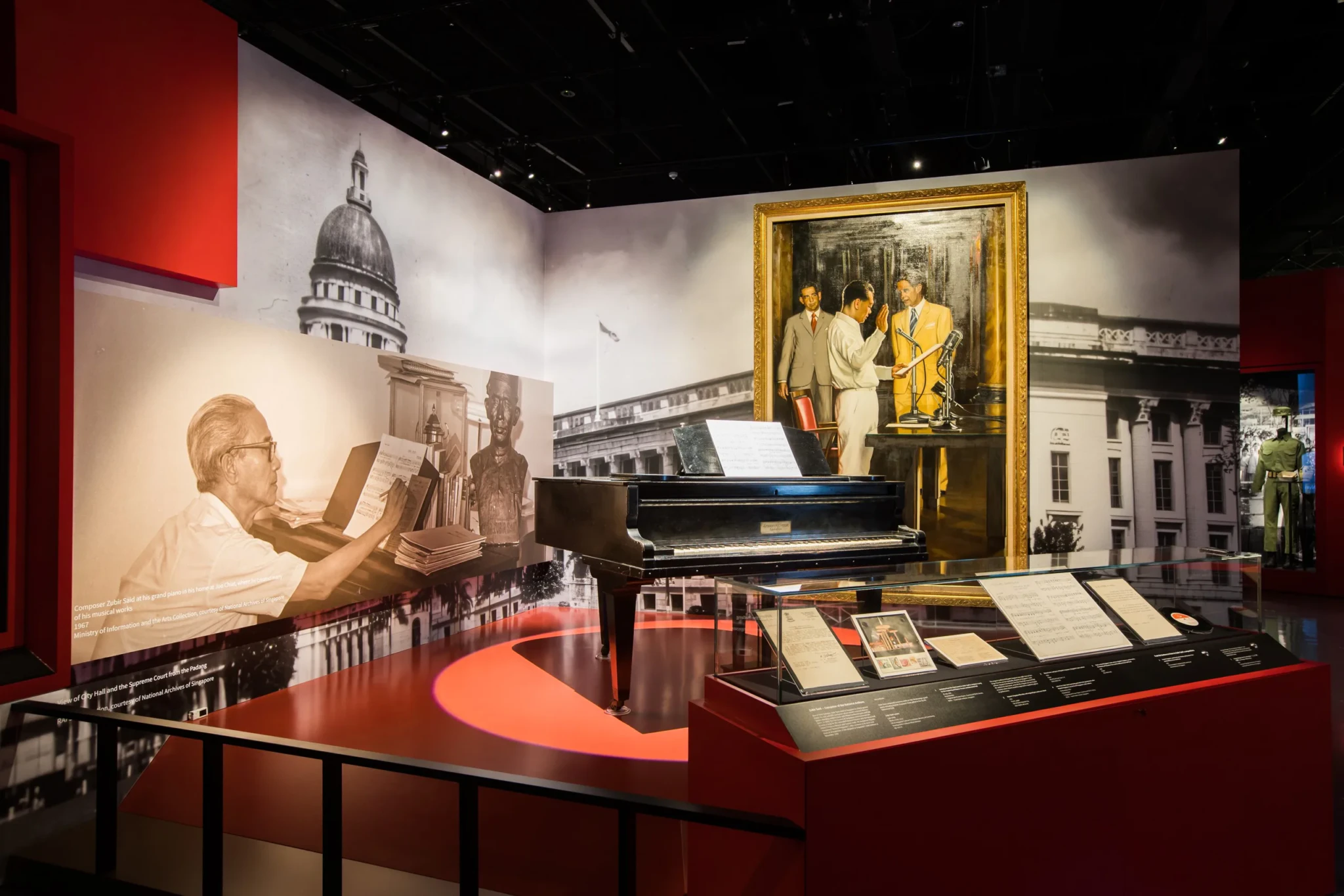
The zone also covers social realist woodblock prints and student protests. It closes with a multimedia recreation of then Prime Minister Lee Kuan Yew’s televised press conference announcing separation from Malaysia. There are seats, so you can sit with the moment.
The Zones Your Parents Will Narrate
Becoming Singapore (1960s to 1980s) tells its story through ordinary workers. Mdm Loh Yoke Foo worked the 11pm to 7am shift at Fairchild Semiconductor in the 1980s, taking the higher pay so she could care for her family during the day. Her handbook and collar pins are on show. There’s also a restored 1978 HDB (Housing and Development Board) lift from an Ang Mo Kio town centre, which stopped at every floor until it was decommissioned in 2024. Expect at least one relative to announce that their block’s lift looked exactly like it.
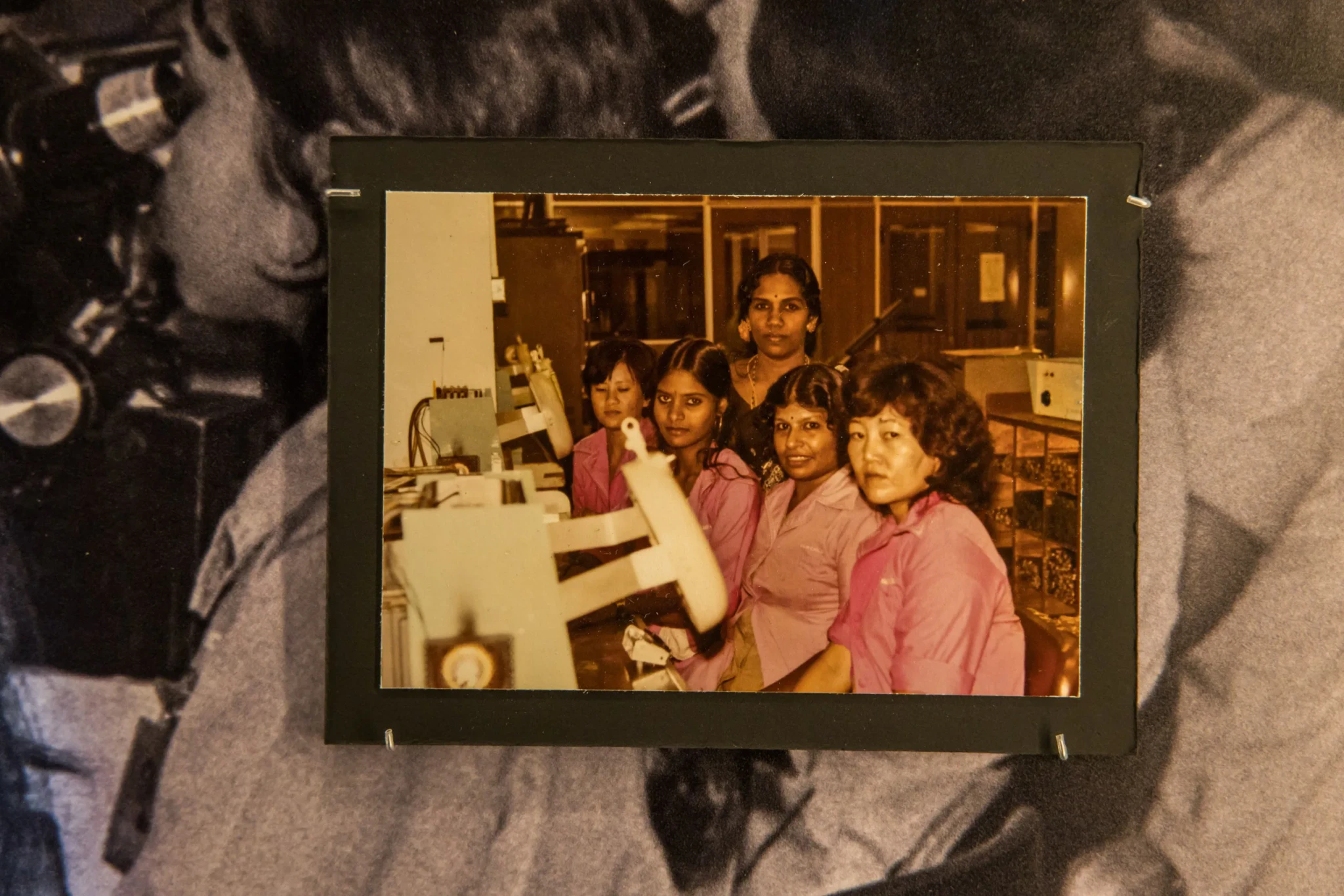
The zone ends at a recreated void deck, the open ground floor beneath HDB blocks. Visitors can take a seat there and read Arthur Yap’s poem “2 mothers in a h d b playground”.
Being Singaporean (1980s to 1990s) is the photogenic stretch. You enter through an Orchard Road-inspired passageway, then reach the Interactive Hawker Centre Table and a station that plays footage of the Great Singapore Workout. The workout began in 1993, when then Prime Minister Goh Chok Tong led over 26,000 people at the Padang to a Guinness World Record. Design fans get the original 1991 Zouk signage, a Phuture “Septagon” chair that seats up to seven, and a silk paisley jacket by Esther Tay’s label Esta.
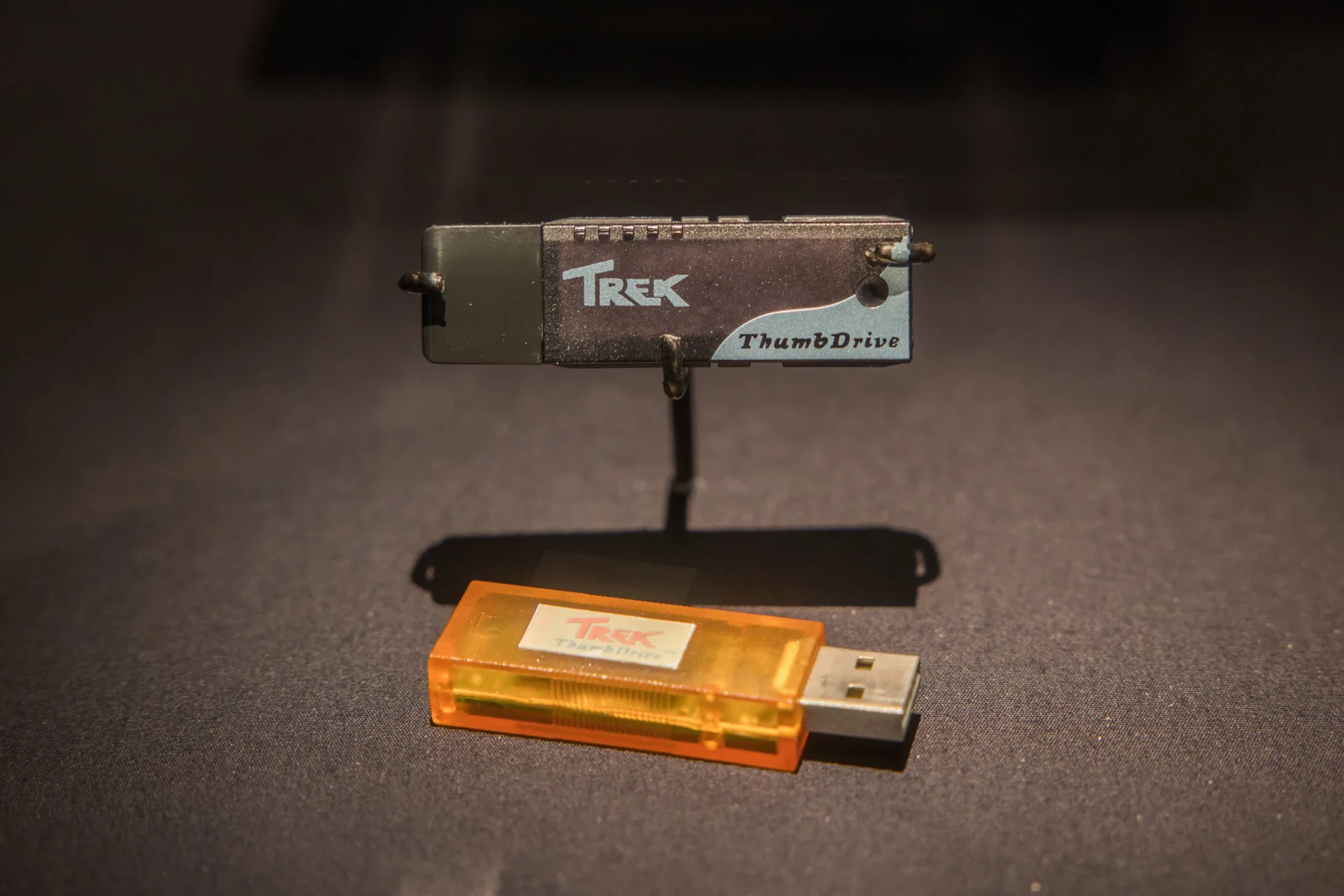
Looking Global (2000s to Present) opens with The Lion City 2012–2026, photographer Keith Loutit’s timelapse that squeezes nearly 15 years of construction into two and a half minutes. After that comes an interactive mural that charts Singapore’s links to global trade, travel and communication.
The zone traces Singaporean innovations that reached the wider world, then closes with Who Are We Today?, a film of candid conversations with residents that turns the gallery’s central question back on you.
Pick Your Plan
Half day (two to three hours)
– Watch Singapore Odyssea in the Rotunda first
– Hit the headline interactives: the Singapore Stone, the rickshaw, the Morse code station, the hawker table and the finale
– Answer at least three voice prompts so your words make it into the skyline
Full day
– Morning: walk the gallery properly, zone by zone
– Afternoon: join the Stories of Everyday celebrations outside the gallery
– Stay until last admission at 6.30pm
Multi-day (free for locals)
– Visit 1: zones one to four
– Visit 2: zones five to seven, on or after 14 October, when the design market brings in a refreshed vendor line-up
By interest
– Hands-on types: go straight to the rickshaw and Morse code stations
– Families with young kids: the workout station and the Stoney craft sessions
– Design and fashion fans: budget an hour for the 1980s and 1990s zone
Tourists and foreign residents: Entry is free from 10 to 12 October. After that, check ticket prices on the Singapore History Gallery page before you go.
Stoney and the Birthday Bash
The reopening kicks off Stories of Everyday, the museum’s 139th anniversary celebration, which runs from 10 to 18 October 2026 with free entry. Director Chung May Khuen calls the gallery “the culmination of years of work, shaped by the voices of our communities”.
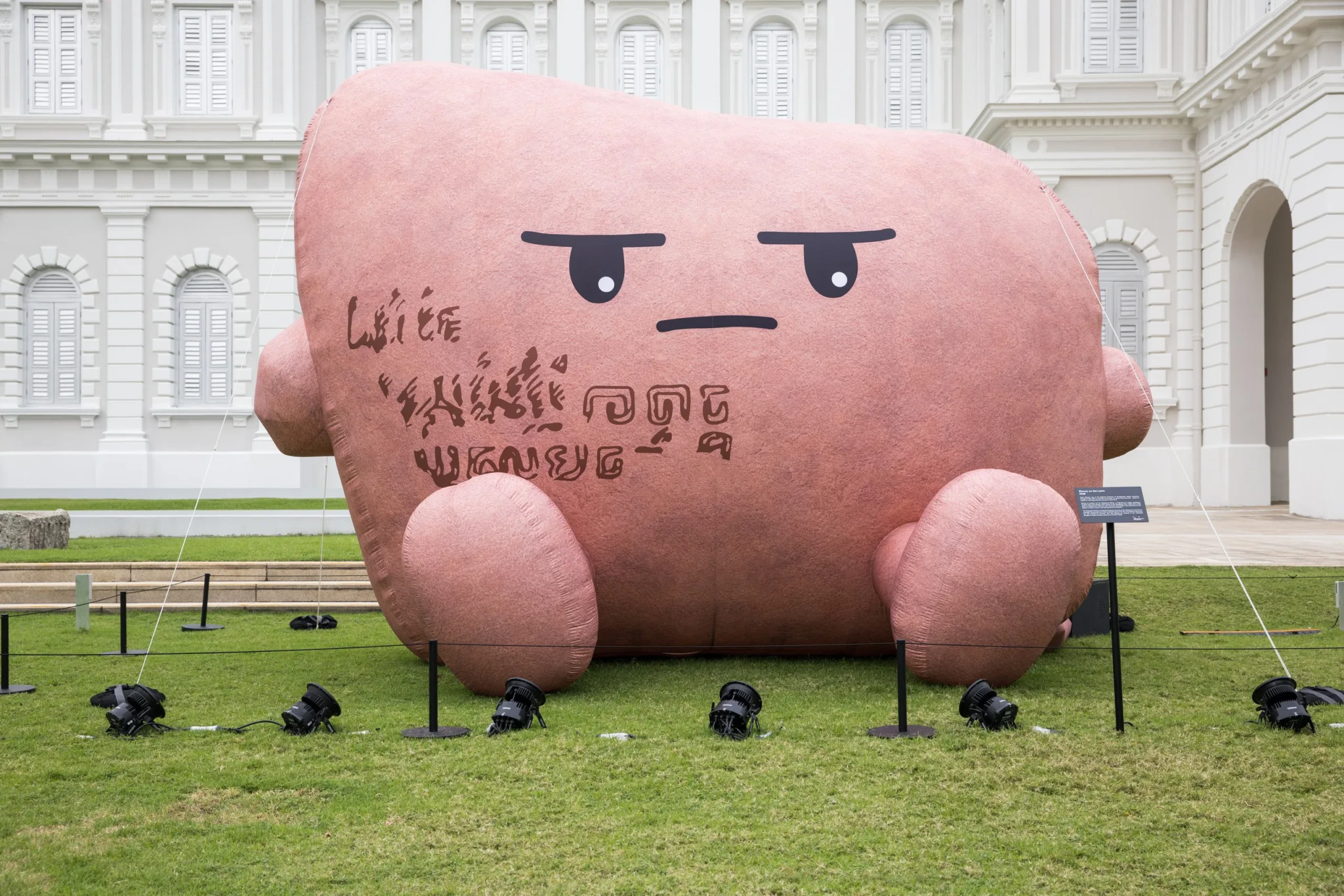
The celebrations introduce Stoney, a mascot based on the Singapore Stone. In his backstory, he wakes up on the banks of the Singapore River with no memory, treks across the island in search of his kin, and finds his way home to the museum. Where to find him:
– Meet-and-greets during the celebrations
– A larger-than-life installation on the Lawn
– A S$13.90 keychain plush at the Museum Market by Abry store, from 10 October
– The drop-in craft session Stoney, A Softie at Heart, on 10, 11, 17 and 18 October
More on Stoney: Stoney the Singapore Stone has a mascot era.
Beyond Stoney, the programme includes:
– The Living Archive: A Living & Design Market by Of Wonder Wander, with more than 30 makers selling ceramics, stationery, accessories and food
– The National Living Room, a recreated living room of the past at the museum’s Platform space
– A Voices from the Sea dialogue with Orang Seletar artisans
– Searching Blue《寻蓝》 by T.H.E Dance Company
– HistoriaSG heritage talks and roving historical figures
– A community jam with Ann Siang Sounds
🗓️ Date: From Saturday, 10 October 2026; Stories of Everyday runs 10 to 18 October 2026
⏰ Time: 10am to 7pm, according to the museum; last ticket sales 6pm, last admission 6.30pm
📍 Location: Level 1, National Museum of Singapore, 93 Stamford Road, Singapore 178897
🎟️ Gallery admission: Free for Singapore Citizens, PRs and children aged six and below; free for all visitors from 10 to 12 October 2026; tourist and foreign resident prices are listed on the Singapore History Gallery page
🎉 Stories of Everyday: Free entry
🪨 Stoney keychain plush: S$13.90 at Museum Market by Abry, from 10 October
The museum plans to fully reopen its Level 2 Life in Singapore Galleries in early 2027, in time for its 140th anniversary, so this is the first of two big visits. Start with this one: check timings on the Singapore History Gallery page, follow the museum’s TikTok for Stoney sightings, and slot it into your October plans. Then answer those voice prompts, so your own words flow down that river in the finale.
Visuals courtesy of National Museum of Singapore.
Read us first on Google: add DANAMIC as a preferred source and our stories show up more in your Top Stories and AI results.