A weaver’s hands know a pattern before her mouth can explain it. That one idea carried the biggest room at Art & Bali 2026, which opened on 11 September 2026 at Nuanu Creative City in Tabanan, Bali.
The second edition gathered 23 galleries and art spaces and more than 300 artists across a 44-hectare site on Bali’s southwest coast, inaugurated by Indonesia’s Ministry of Creative Economy. Gallery presentations sat among commissioned installations, performances and public programmes instead of inside a convention hall.
That is a real structural choice, not a styling one. The 2025 debut ran 17 galleries and more than 150 artists. Twelve months on, the gallery count is up by six and the artist count has roughly doubled, and the fair still refuses the booth-grid format that every major regional fair runs on.
Hands That Remember Things
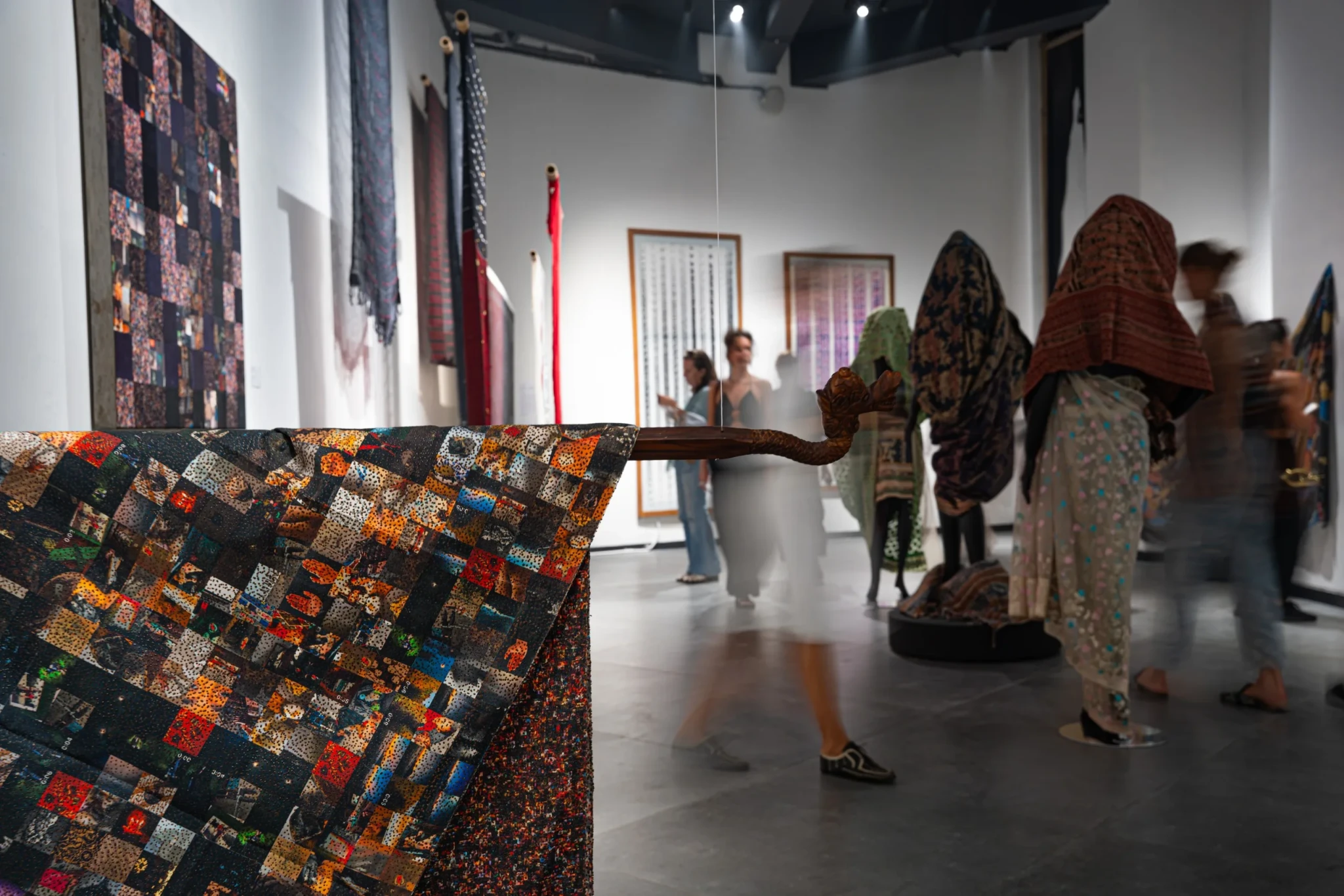
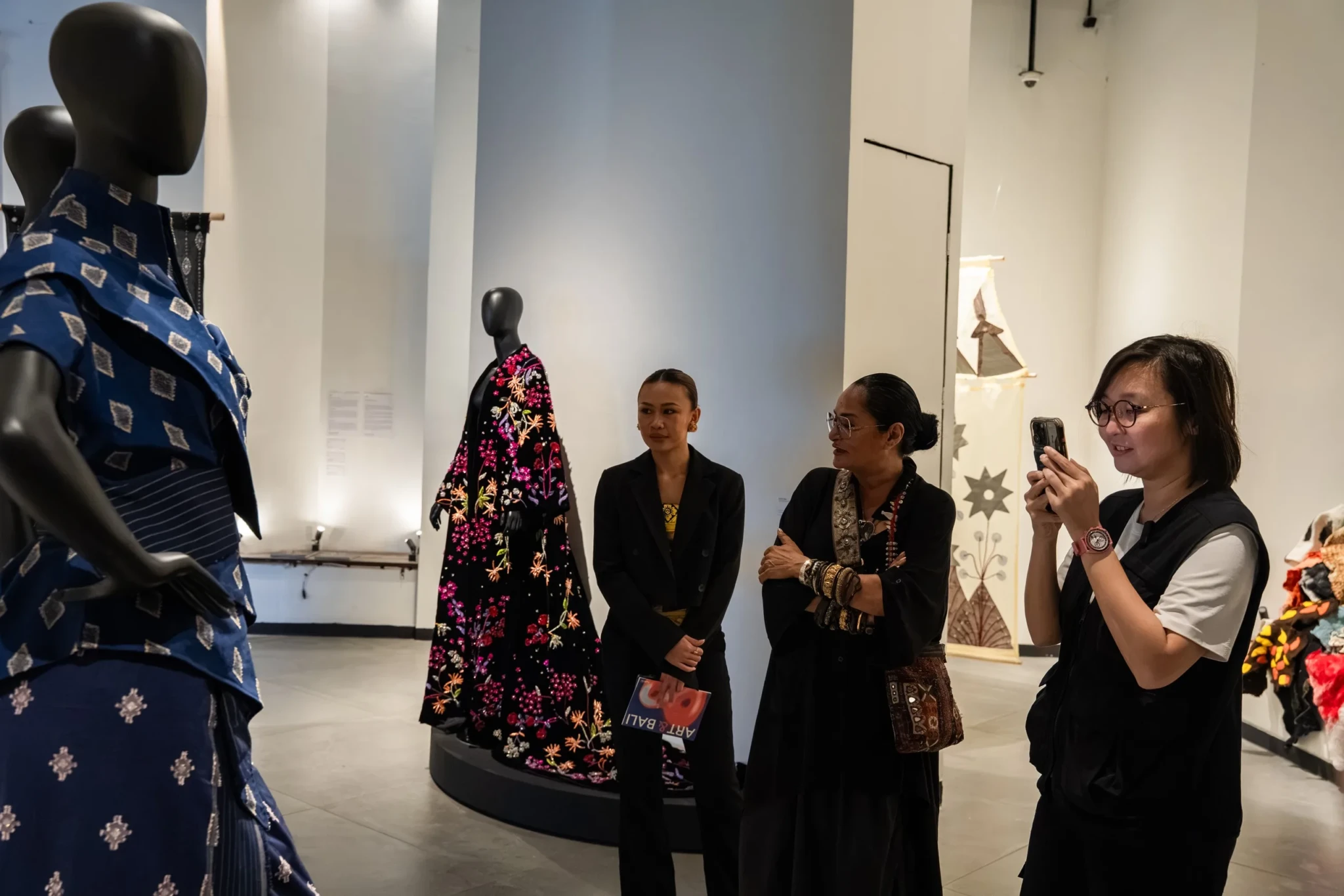
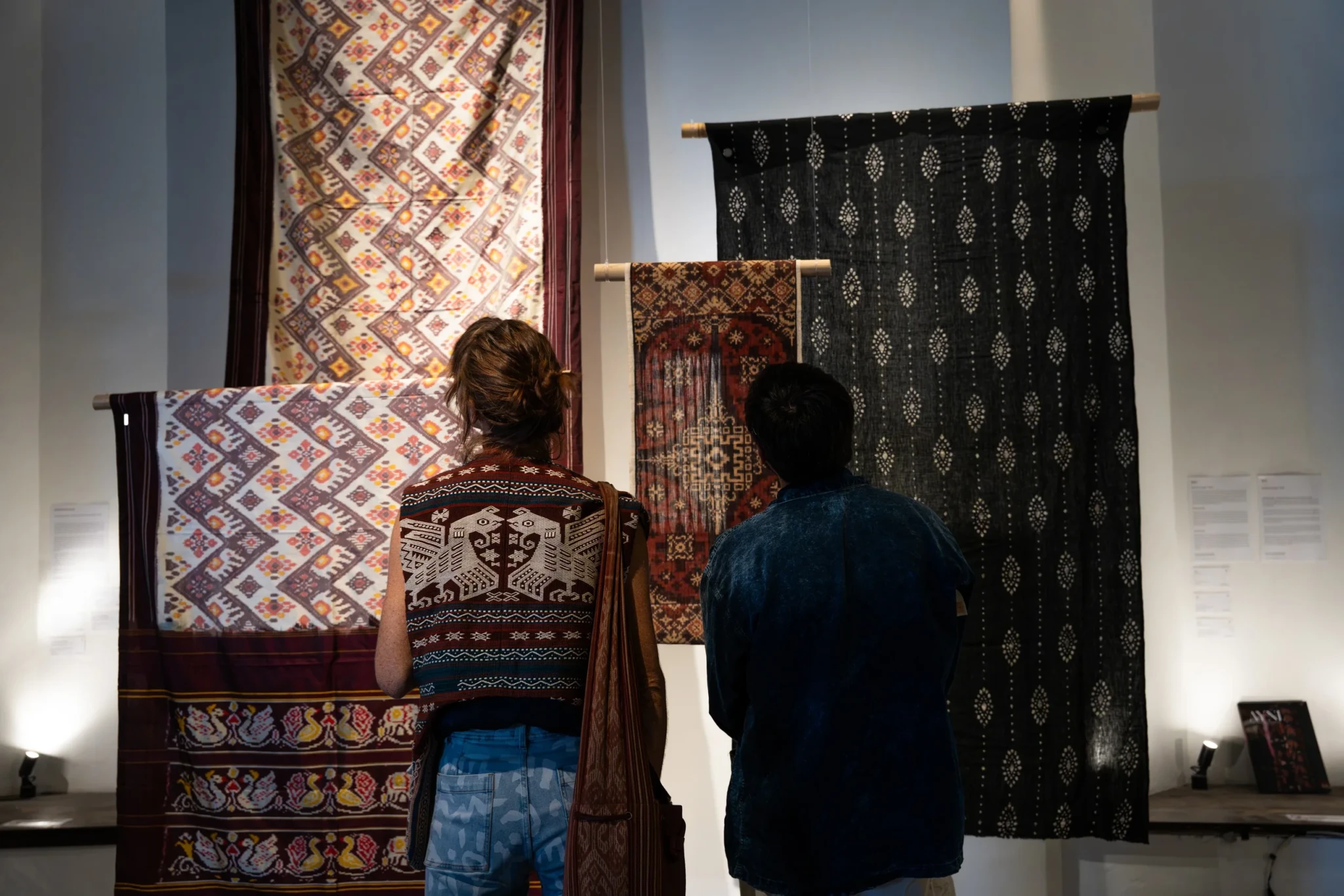
The flagship exhibition, What The Body Remembers, is the part worth planning a trip around. Lead curator Bandana Tewari, former editor-at-large of Vogue India, worked with assistant curator Brina Paska to bring 26 designers and makers from India and Indonesia into one space around a single premise: technique is a form of memory.
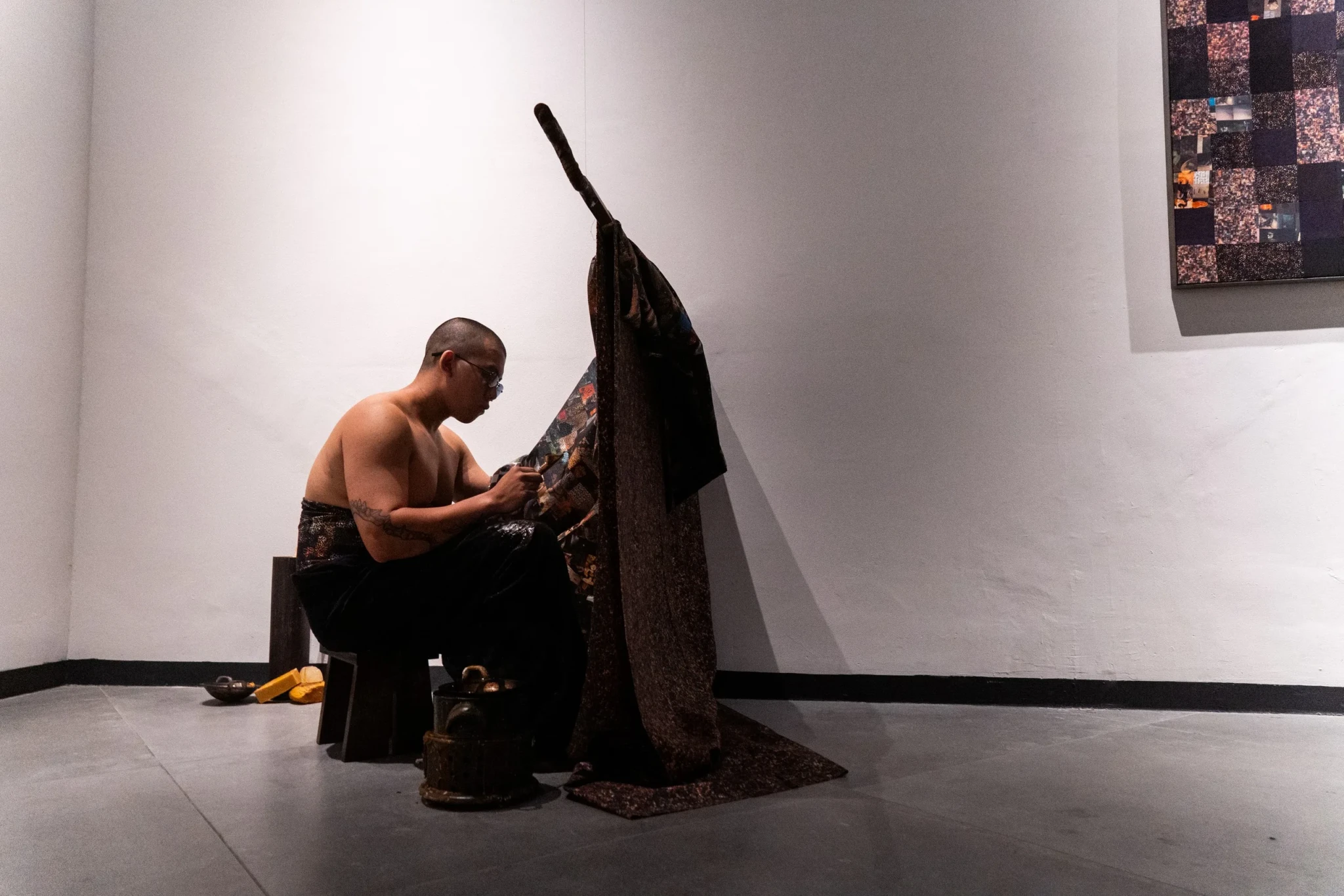
The show follows that memory through cloth, dye, weave and gesture, the practices that survive because somebody keeps repeating them and shift slightly every time. Here is the practical bit most coverage buries: the exhibition stays open at Labyrinth Art Gallery until 29 November 2026, long after the three-day fair packed down.
So the weekend was the party, and the exhibition is the actual reason to go.
Of the 26 names, three are the ones to track. Raw Mango x Sanjay Garg and TOTON The Label both put work on the wall and put their founders on the talks stage the same day, which means the makers got a microphone and not only a plinth. Ayni is listed as India and Indonesia at once, a studio that already lives on both sides of the exhibition’s premise.
Setia Cap Cili is the only participant whose line reads simply “Bali”. In a show about inherited technique, staged in Bali, that detail earns a slow look.
Cultural Ownership Got a Panel
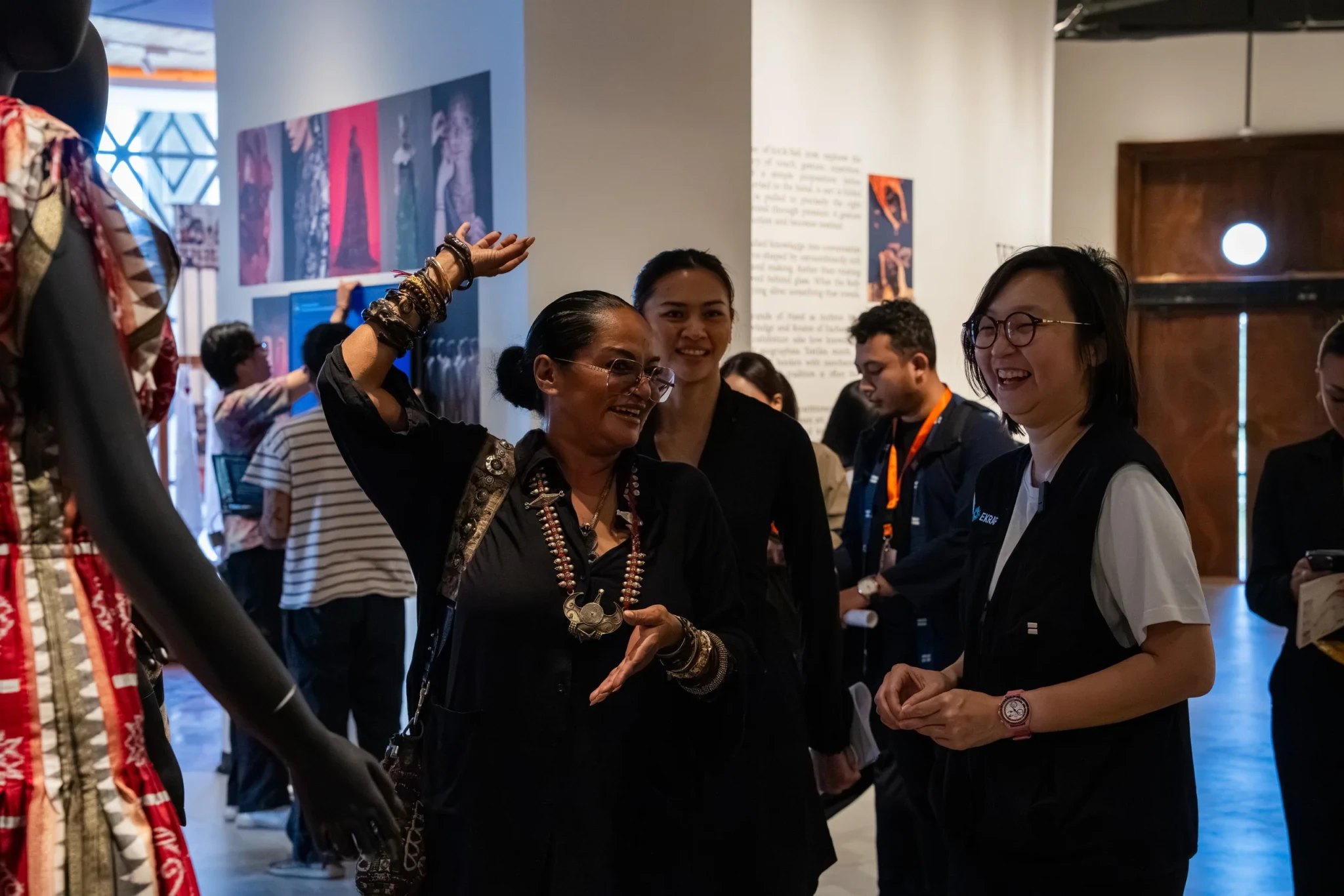
On opening day, more than 20 speakers took the Labyrinth Dome for six conversations, from 1.30pm to 6pm, by invitation. The topics were cultural ownership, the line between art and fashion, craft and materials, technology, and where creative culture in Asia goes next.
The line-up mixed ministry, industry and archive. Irene Umar, Vice Minister of Creative Economy, sat alongside Svida Alisjahbana of Jakarta Fashion Week, Sanjay Garg of Raw Mango, Toton Januar, and cultural archivist Marlowe Bandem of The Bali 1928 Archive.
“Indonesia has extraordinary creative talent across art, fashion, craft and design. The opportunity now is to build stronger connections between these practices, their audiences and wider markets,” said Umar.
That framing matters more than it sounds. Craft usually gets treated as raw material for somebody else’s collection, and a panel on ownership held in the same building as the work is a harder thing to wave away than a hashtag.
Who Actually Got the Floor
Read the exhibitor list closely and the geography does the arguing. 22 of the 23 participants list an Indonesian address, and 14 of them are based in Bali. G13 Gallery of Kuala Lumpur is the only exhibitor without an Indonesian city on its line.
Singapore has a stake in it too. Callisto × ArtLab splits its base between Singapore and Jakarta, while RUANG// works between Barcelona and Bali and @Nutted_a_bust runs between Bali and Philadelphia. Nobody is flying in for the weekend and flying out with the profits.
If a reader only has an hour, the three to prioritise are Sangkring Art Space from Yogyakarta, LANÖ Contemporary Art Gallery from Bali and Connected Art Platform from Jakarta. Each sent someone to the Future Talks stage, so those booths came attached to a stated position rather than a price list.
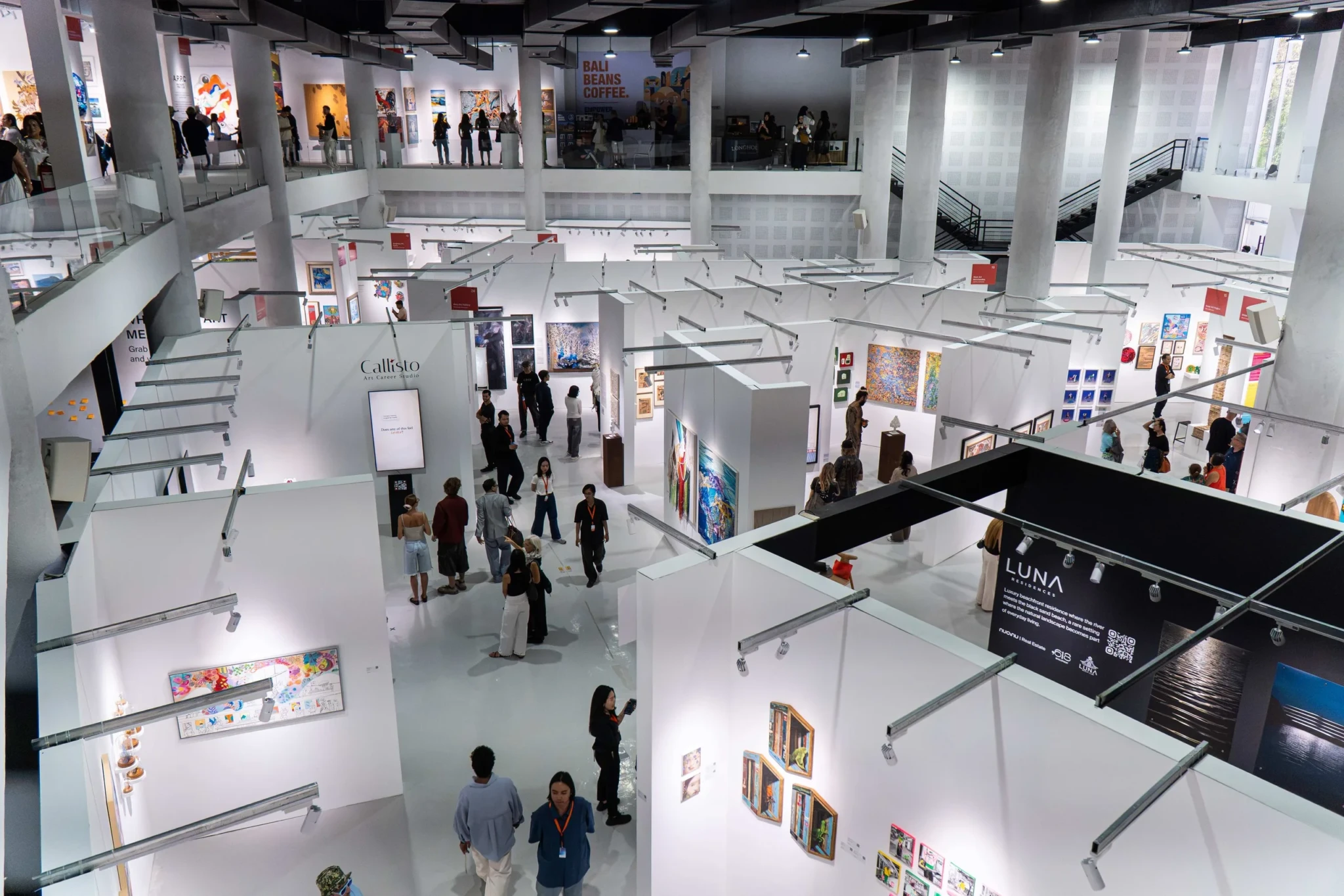
Boutique by Design, Not by Accident
For scale, ART SG at Marina Bay Sands fills a convention hall with several hundred exhibitors. Art & Bali is a fraction of that and has no interest in closing the gap, which is roughly the same craft-versus-market conversation that ran through Singapore Design Week 2024.
“Art & Bali stays rooted in Bali while making more room for galleries, artists and makers from elsewhere to meet here,” said Kelsang Dolma, Founding Director of Art & Bali.
The host has receipts on the cultural spending, at least. Nuanu’s 2025 impact report puts IDR 5,614,736,034 through its Social Fund that year, with 62.9% going to art and culture, across more than 25 cultural programmes. “Through Art & Bali, we want to channel the international attention that Bali receives toward the strength of Indonesian art,” said Lev Kroll, CEO of Nuanu Creative City.
🗓️ Date: Fair ran 11 to 13 September 2026; What The Body Remembers stays on view until 29 November 2026
⏰ Time: Fair hours were 11am to 8pm, with opening day running 3pm to 8pm
📍 Location: Nuanu Creative City, Beraban, Kediri, Tabanan, Bali
🎟️ Fair tickets: IDR 150,000 (about S$12) for one day, IDR 250,000 (about S$21) for three days, IDR 500,000 (about S$42) for the VIP three-day pass
👶 Children: Under 12 entered free with a ticket-holding adult
🖼️ Flagship exhibition: What The Body Remembers at Labyrinth Art Gallery, 26 designers and makers from India and Indonesia
🎤 Talks: Nuanu Future Talks: Fashion & Art, 1.30pm to 6pm on 11 September at the Labyrinth Dome, by invitation
The fair weekend is done, but the room that matters is open for another ten weeks, and a Singapore flight to Bali plus a transfer out to Tabanan is a cheaper art pilgrimage than most. Check the programme and visiting details at artandbali.com, plan the wider site visit through Nuanu Creative City, and set a reminder for September 2027 if the third edition is more your speed.
Visuals courtesy of Nuanu Creative City.
Read us first on Google: add DANAMIC as a preferred source and our stories show up more in your Top Stories and AI results.