A cleaning robot can map an entire floor, dodge a stroller, and find the one corner nobody vacuums. Then it reaches the lift lobby and stops dead. No arms, no permission, no way in. Somebody in a uniform has to walk over and press the button for it, which rather defeats the point of buying an autonomous machine.

That is the gap two companies signed a deal to close. On 8 September 2026, Mitsubishi Elevator (Singapore) Pte. Ltd. and QuikBot Technologies put their names to a strategic collaboration agreement at Kaki Bukit, aimed at what they call Trust Infrastructure for Physical AI.
The Button Problem
Navigation was never the hard part. A robot that can drive itself still needs permission to enter a building, reach a secured floor, call a lift, and ride it without confusing the safety systems. Every one of those is a door someone controls.
Today those controls sit behind fragmented systems and one-off proprietary integrations, which is why so many service robots stay parked on a single floor. The unglamorous truth of automation is that the machine is usually ready before the building is.

What QuikSync Actually Does
QuikSync is QuikBot’s answer, and it works less like a remote control than a staff pass. The platform gives an autonomous system an identity, authenticates it, hands it permissions, then keeps a record of what it did and where it went. Identity, runtime governance, and traceability, in the companies’ own words.
The safety question gets a blunt answer in the agreement. Mitsubishi retains full and final authority over its lifts and building systems, and any technical work touching them needs Mitsubishi’s prior review and written approval. QuikBot has named the firm its Strategic Founding Infrastructure Partner for the category.
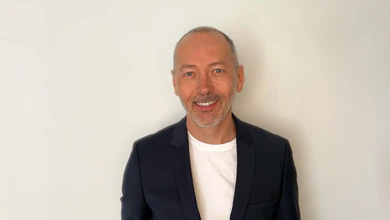
“Physical AI cannot scale through autonomous machines alone. Robots need a trusted way to identify themselves, obtain permission and interact safely with the buildings around them,” said Alan Ng, Founder and CEO of QuikBot Technologies.
Already Running Somewhere Real
This is not a slide deck. QuikSync is supporting a live deployment in a Singapore residential building, where an autonomous cleaning robot from an independent manufacturer moves around under set permissions and operational controls. Local reports place that pilot at a block in Eunos Crescent. It is, essentially, the machine you already own given the run of a whole HDB stack.

QuikBot’s own materials count 18 active building sites and six elevator brands, with work at South Beach, Mapletree Business City, Geneo, and Ascent at Singapore Science Park. Punggol Digital District joined the list from May 2026.
7,000 Lifts, One Big If
The number worth holding onto came from QuikBot’s media invitation on 2 September: the collaboration could potentially open up to 7,000 Mitsubishi lifts in Singapore to autonomous robot mobility. Potentially is doing real work in that sentence. The two companies will define technical requirements and secure interfaces first, then move through joint testing and customer deployments, each phase subject to its own agreement.
“This partnership marks the beginning of a new growth trajectory for both our companies,” said Hideyuki Mori, Managing Director of Mitsubishi Elevator (Singapore) Pte. Ltd. The stated goal is what they term Physical AI Ready Buildings, covering existing stock rather than only new towers.

Singapore Wrote Rules for This
None of this arrives on empty ground. The National Robotics Programme, working with the Singapore Standards Council, has already produced SS 713, a standard for data exchange between robots, lifts, and automated doorways, plus TR 130 for robots talking to central command systems. There is a national sandbox too, ELEVATE at the BCA Braddell Campus, where robot makers and lift vendors test these interactions before anyone commits.
Interoperability is the part that protects building owners. QuikBot says QuikSync supports machines from different manufacturers, so a condo committee is not married to one robot brand forever. Government interest is on the record as well, through the Punggol Digital District physical AI programme run with IMDA and eight industry partners.
The Fine Print Nobody Reads
The agreement sets out authority and architecture. It puts no figure on integration cost, which is the number every management committee will ask about first, and it makes no promise about your morning lift wait once robots can summon a car too. Who gets the 8am ride, you or the delivery bot?

On risk, the collaboration leans on Mitsubishi keeping control of safety and on security by design as a stated principle. Separately, QuikBot signed an insurer in March 2026 to embed public liability and cyber cover into its platform, which tells you the company knows an authenticated robot with lift access is a serious thing to hand out.
Where You Notice It First
Food, probably. A day before this signing, QuikBot inked a memorandum of understanding with talabat in Dubai for a pilot where riders hand orders to a robot inside the building, and the robot rides the lift to your door. You collect it with a one-time password. Cleaning, security, inspection, and healthcare are on the Singapore list too.
QuikBot’s credentials are stacking up, including a place among 15 startups picked for the Qualcomm AI Program for Innovators 2026 in Asia Pacific. Singapore has been putting robots in front of people since a robotic barista started pulling coffees in 2020. The difference now is that the building finally answers back.

Watch the lift lobby of your office or block over the next year, because the pilots are heading for buildings exactly like yours. Reference deployments, joint testing, and further Singapore sites are all named in the plan, and the ceiling on this first phase is 7,000 lifts. Follow QuikBot Technologies for deployment news as each phase clears, and set a reminder to check which robot is sharing your ride home.
Visuals courtesy of QuikBot Technologies.
Read us first on Google: add DANAMIC as a preferred source and our stories show up more in your Top Stories and AI results.